

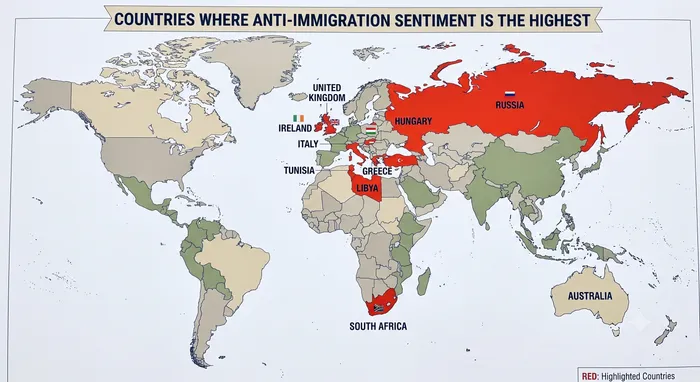
Anti-immigration protests is a world-wide phenomena sometimes tacitly supported by politicians and governments.
Image: Gemini
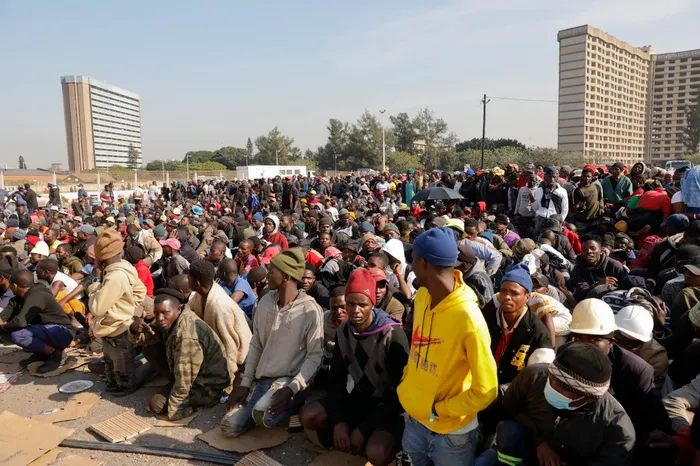
Undocumented Malawians at the Durban Drive-in site, where local authorities are working on repatriation efforts. South Africans who harbour or employ illegal immigrants could face fines of R10,000 per person and possible criminal charges as authorities prepare for anti-illegal immigration protests on 30 June.
Image: Doctor Ngcobo/ ANA Studio
South Africa experiences some of the most intense and volatile anti-migrant friction globally. Public opinion surveys show that a vast majority of citizens view immigration negatively, often viewing foreign nationals as direct competitors for scarce resources. This sentiment is fueled by a staggering unemployment rate, severe housing shortages, and failing municipal infrastructure. Political groups and grassroots movements heavily scapegoat regional migrants from neighbouring African nations, culminating in significant public demonstrations and periodic outbreaks of vigilante violence.
Hosting the largest refugee population in the world (primarily over 3 million Syrian refugees alongside Afghan arrivals), Turkey has experienced a profound domestic backlash. The initial empathy extended to refugees has largely soured due to a protracted domestic economic crisis, high inflation, and a collapsing currency. Citizens frequently blame the migrant population for depressed wages, rising rent prices, and social friction, making immigration a central, highly polarized issue in national politics.
Anti-immigration sentiment in Hungary is systemic and driven by the state. Under leadership that explicitly campaigns on preserving "cultural and ethnic homogeneity," the state has constructed physical border walls and maintains a near-total institutional rejection of asylum seekers.Public polling consistently shows deep fears that immigration threatens national identity, security, and Christian value, despite the country actually hosting a very low percentage of foreign-born residents.
Tunisia has seen an aggressive surge in anti-migrant sentiment directed at sub-Saharan Africans. The country serves as a major transit hub for migrants trying to cross the Mediterranean into Europe. Under intense economic strain, political rhetoric has characterized sub-Saharan migrants as part of a demographic plot to alter the country's identity. This sparked widespread public hostility, arbitrary evictions, and state-led crackdowns and forced deportations.
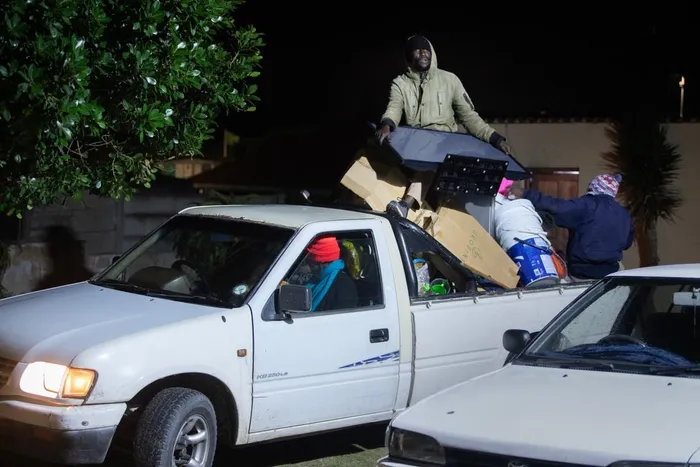
Immigrants arrive with their belongings at a community hall to take refuge in Gansbaai, about 140km from Cape Town, on June 2, 2026, after they were threatened in the communities in which they live.
Image: RODGER BOSCH / AFP
As a primary frontline gateway into the European Union, Greece has borne a disproportionate burden of the Mediterranean migration crisis. Decades of economic instability and severe austerity measures have left public infrastructure strained. Island communities and urban centers hosting large processing camps have experienced deep fatigue, leading to widespread public anxiety regarding the long-term demographic, economic, and security impacts of irregular migration.
Similar to Greece, Italy sits on the geographic frontline of maritime migration to Europe. Public sentiment has steadily hardened due to anxieties over national security, cultural preservation, and the perceived inability of the European Union to distribute asylum seekers fairly. Right-wing political coalitions have successfully capitalized on these frustrations, translating public anxiety into strict anti-NGO maritime laws and border enforcement policies.
Libya exists as a chaotic, highly dangerous transit zone for migrants fleeing conflict and poverty across Africa and the Middle East. Absent a unified, stable central government, undocumented migrants are highly criminalised and frequently subjected to severe human rights abuses. Public sentiment is highly hostile; localised protests frequently demand the immediate expulsion of foreign nationals, viewing them as a national security risk and a burden on unstable local economies.
Russia relies heavily on millions of migrant labourers from former Soviet Central Asian republics (such as Uzbekistan, Tajikistan, and Kyrgyzstan) to fill low-wage construction and service jobs. However, public polling consistently shows strong opposition to these migrant communities. Xenophobic sentiment is fueled by deep-seated cultural friction, nationalist rhetoric, and heightened national security anxieties surrounding terrorism and cross-border crime.
Anti-immigration sentiment in the UK has historically been a powerful political catalyst, serving as a driving force behind Brexit and remaining highly volatile. Public concern is intensely focused on the visible arrival of asylum seekers via small boats crossing the English Channel. This has exacerbated anxieties over an ongoing national housing crisis, overstretched public services (such as the National Health Service), and broader debates regarding national sovereignty and border control.
Historically known for net emigration, Ireland has seen a rapid and severe escalation in anti-immigrant sentiment. The arrival of significant numbers of European refugees alongside asylum seekers from other regions coincided directly with a catastrophic national housing shortage and skyrocketing costs of living. This bottleneck has triggered widespread local protests, arson attacks on intended migrant accommodations, and a sharp rise in nationalist, anti-migrant political mobilization.