


Geopolitical shocks and central bank decisions are reshaping currency markets within hours, making foreign exchange management a critical business priority.
Image: ChatGPT
South African businesses can no longer afford to manage foreign exchange risk as a short term financial function, with currency markets increasingly being driven by sudden geopolitical events, central bank decisions and rapid changes in investor sentiment.
Citadel Global Managing Director Bianca Botes said businesses need to move away from reactive currency decisions and adopt structured treasury strategies that protect performance through changing market conditions.
“FX and treasury management need to evolve into a structured, forward looking discipline that actively protects business performance and preserves value through uncertainty,” Botes said.
“Businesses and investors should rethink their approach to currency risk, moving from short term decision making to strategic positioning that is resilient across multiple market scenarios.”
Botes said the traditional pattern of gradual currency cycles followed by occasional shocks has changed, with markets now responding rapidly to global developments.
“FX risk is no longer cyclical in the classical sense. It is becoming structurally event driven,” she said.
“The pattern of long, gradual currency cycles punctuated by occasional shocks has given way to bursts of intense volatility triggered by geopolitical developments, central bank repricing or sudden shifts in global risk appetite.”
She said the biggest challenge for companies is not only the direction of currency movements, but the speed at which they occur.
“The risk businesses face is not simply that the rate moves against them, it is that the move arrives faster than their decision making process can respond. FX has shifted from a treasury input to a board level strategic concern,” Botes said.
Several factors are contributing to this new environment, including geopolitical tensions, changing monetary policy expectations and shifts in global market structure.
Botes highlighted ongoing Middle East tensions, US China trade challenges and sanctions disputes as examples of events creating frequent currency uncertainty.
“The result is currency pairs that can travel three to five percent on a single headline,” she said.
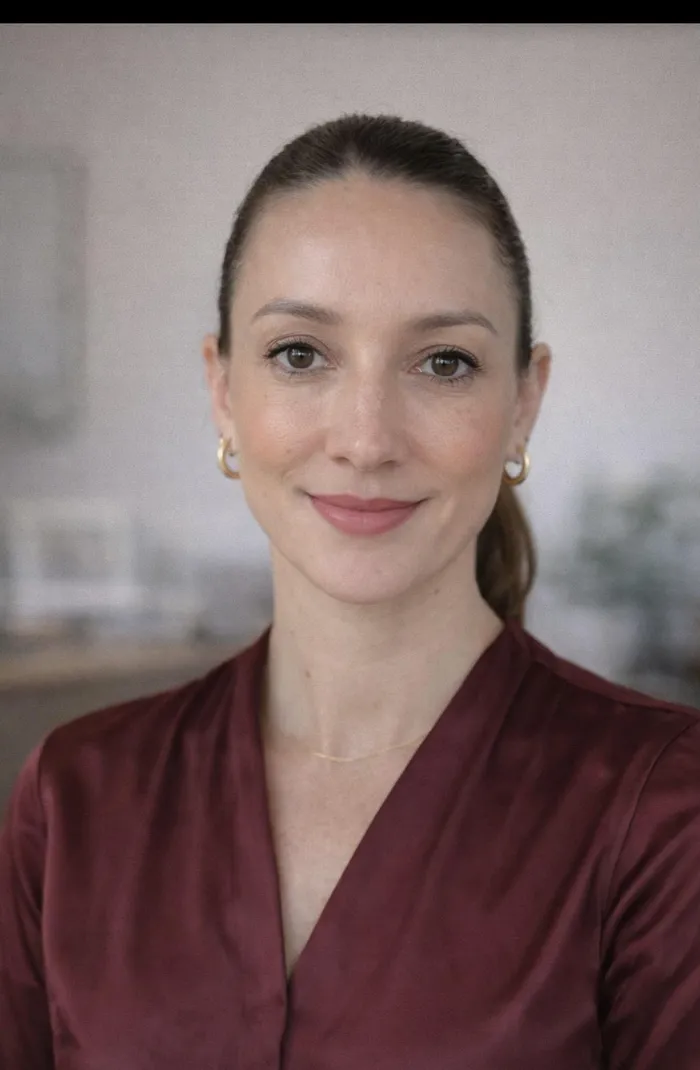
Citadel Global Managing Director Bianca Botes
Image: Supplied.
For businesses involved in international trade, these movements can have a direct impact on profitability.
“For importers, it manifests as margin compression, while exporters face revenue uncertainty that distorts pricing and reinvestment decisions,” Botes said.
“Even a two to three percent adverse move can absorb the operating margin on thin margin product lines, making the cumulative effect across the year far larger than the headline volatility suggests.”
Botes said many companies continue to make common mistakes when managing currency exposure, including waiting for certainty, relying too heavily on forecasts and failing to establish clear governance structures.
“Too many businesses still execute FX through a finance team without clearly defined risk appetite, cover ratios or escalation triggers, which means decisions get made under pressure rather than under structure,” she said.
“Waiting for certainty often results in missed opportunities or forced decisions at unfavourable levels.”
Rather than attempting to predict currency movements, Botes believes businesses should focus on consistency and preparation.
“The businesses that succeed at timing are not the ones predicting better; they are the ones who happen to be right once,” she said.
“A structured approach delivers a consistent average rate across the cycle and removes the emotional element from execution. The mathematics of consistency beats the mathematics of prediction over time.”
According to Botes, an effective forex strategy should include clear board level direction, defined risk limits, regular monitoring of exposure and layered execution rather than one off decisions.
“Volatility creates opportunity for businesses positioned to act,” she said.
“The key is to use a mix of forwards, options and structured products matched to the commercial cycle rather than to a market view.”
She added that planning ahead can help businesses replace uncertainty with discipline.
“Pre defined levels and scenario planning turn FX management from a reactive function into a prepared one. They replace urgency with discipline, which is the single biggest improvement most treasuries can make.”
Botes said businesses should begin improving their approach through three key areas: visibility, governance and execution.
For exporters, this could involve mapping future foreign currency income and gradually increasing protection as transactions approach. For importers, it could mean creating forward exposure schedules and setting predetermined points where hedging decisions are made.
“The principles are the same. The structures should fit the commercial reality,” Botes said.
She warned that the difference between a disciplined approach and trying to time the market can have a meaningful impact on profitability.
“Over a twelve month period, the difference between disciplined layering and discretionary timing is often the difference between a three percent improvement in average rate and a five percent deterioration,” she said.
Botes said business leaders need to change the way they think about currency management.
“Stop asking where the rate is going. Start asking what level protects the business and when to act,” she said.
“The first question has no reliable answer. The second has a process behind it. Once the conversation in the boardroom moves from forecast to framework, FX stops being a source of anxiety and starts being a source of certainty.”
Follow Business Report on Facebook, X and on LinkedIn for the latest Business and tech news.