


With the rapid evolution of the job market, young people must embrace adaptability and continuous learning to thrive. Discover the essential skills that will define the future workforce and how to prepare for a career journey rather than a destination.
Image: Ron Lach/Pexels
The world of work is changing faster than our education systems can track, which means preparing for a single career or a fixed set of skills is, paradoxically, one of the least effective strategies a young person can adopt today.
The most important shift is to think about careers as journeys rather than destinations
The World Economic Forum’s (WEF’s) Future of Jobs Report 2025 confirms what we see at YES every day: by 2030, 170 million new jobs will be created globally, while 92 million will be displaced.
The net gain is a positive 78 million roles, but they will look very different from the ones that disappear. Young people who can adapt will ride the crest of this wave.
But what does adaptability look like as a skill? It’s made up of a few components.
According to WEF, analytical thinking is the number one core skill employers are looking for – with seven out of 10 rating it as essential. This means showing, in an interview or in the workplace, how you’ve applied knowledge, solved a problem, or made an impact. Simply put, the shift is from credentials to capabilities.
Closely related is digital and AI fluency. Technology is no longer just a tool: it’s a co-worker, a thinking partner, a source of competitive advantage. WEF reports that AI and big data literacy is the fastest-growing skills category, with 87% of employers identifying it as increasingly important.
This doesn’t mean every young person needs to learn to code. Instead, they need to understand how to work with AI, ask the right questions of it, and leverage it to think and act faster. The person who knows how to use AI well will have a significant edge over the one who doesn’t.
There is, however, a counterintuitive flipside to this: human skills are becoming more valuable. As AI takes on more of the routine, rule-based work, great employees will be distinguished by their ability to communicate clearly, collaborate meaningfully, lead with empathy and navigate complex interpersonal environments.
Here self-awareness becomes foundational. Young people entering the workforce – especially those from disadvantaged backgrounds, who often carry significant additional pressures and responsibilities – need to understand themselves, their strengths and their communication style. Confidence needs to be cultivated deliberately, and often with structured support.
What can government and the private sector do? For government, there is an urgent need to reform education systems, so they keep pace with a world that is changing quarterly. That means integrating digital tools into classrooms, rethinking what “computer literacy”, and creating space for the kind of applied, critical thinking that employers value.
It also means acknowledging that micro-learning – yes, even the TikTok-style, bite-sized format – is a legitimate learning modality, provided it is paired with the ability to evaluate and apply what is learned.
For corporates, as job roles evolve and new titles emerge, companies must invest in upskilling and reskilling their workforces – including young people. Hiring a young person and placing them in a static role without investing in their development is a missed opportunity. Linking training investment to actual employment outcomes, rather than funding enrolments and qualifications in isolation, will produce far better returns.
This is exactly where YES is trying to make a difference, in helping to build and prepare the youth workforce for the long term and future world of work. Our partnership with Microsoft is among the most tangible examples: through the YES x Microsoft AI Skills Initiative, we provide access to globally recognised, exam-based AI certifications – free of charge – across pathways in cybersecurity, data engineering, AI operations and more. These are not aspirational credentials. They are the certifications our corporate partners are actively hiring for.
The skills gap is a moving target, and the most future-proof thing any young South African can do now, is become someone who knows how to keep learning.
Aditi Lachman, Head of Youth Programmes, Youth Employment Service (YES).
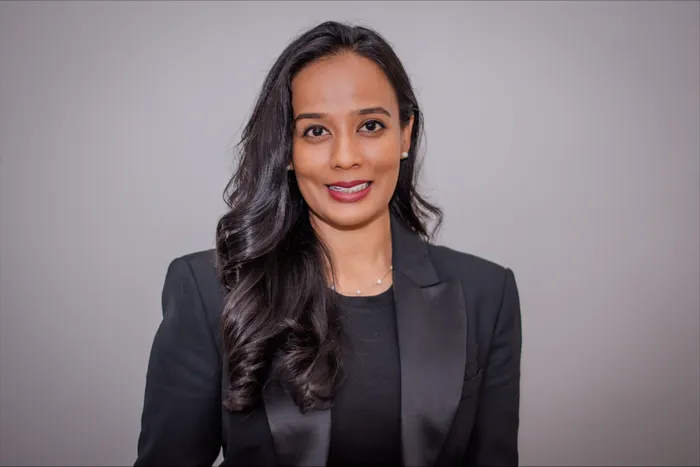
Aditi Lachman, Head of Youth Programmes, Youth Employment Service (YES).
Image: Supplied.
Follow Business Report on Facebook, X and on LinkedIn for the latest Business and tech news.