

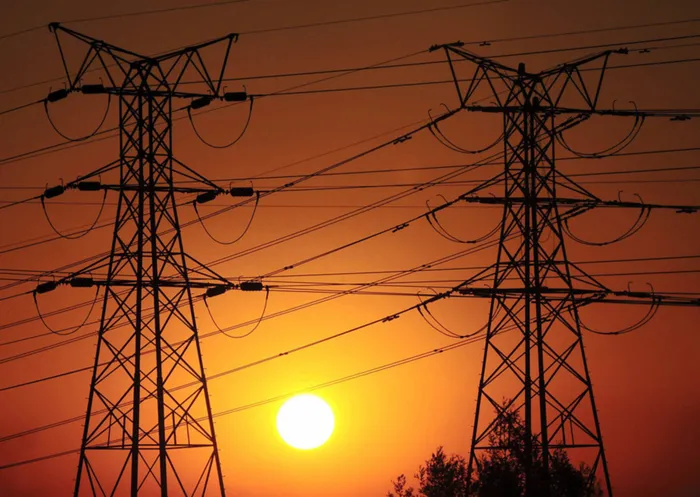
The proposed changes form part of government's broader strategy to restructure South Africa's electricity sector.
Image: File
Cabinet has approved the publication of a revised Electricity Pricing Policy and a draft Electricity Sector Market Transformation Position Paper for public comment, marking the latest step in South Africa's efforts to modernise the electricity sector and deepen reforms aimed at improving energy security and attracting private investment.
The announcements were made by Minister in the Presidency Khumbudzo Ntshavheni during the post-Cabinet media briefing on Thursday.
The proposed changes form part of government's broader strategy to restructure South Africa's electricity sector following the unbundling of Eskom into separate generation, transmission and distribution entities, while creating a more competitive electricity market capable of improving supply reliability and supporting long-term economic development.
The revised Electricity Pricing Policy updates the country's 2008 Electricity Pricing Policy to reflect major changes in the electricity supply industry, including the ongoing restructuring of Eskom and the implementation of the Electricity Regulation Amendment Act, 2024.
According to Cabinet, the revised policy is intended to strengthen the regulatory framework governing electricity prices, tariffs and charges while improving transparency in the way electricity costs are determined.
The policy introduces tariff transparency through the unbundling of electricity tariffs across generation, transmission, distribution and retail activities.
It also consolidates regulatory arrangements governing electricity pricing across the various pricing interfaces involving generators, electricity traders, the National Transmission Company South Africa (NTCSA) and electricity distributors.
Cabinet said the revised framework establishes how these pricing relationships will operate and be regulated by the National Energy Regulator of South Africa (Nersa).
The policy also seeks to support the introduction of cost-reflective electricity tariffs while protecting vulnerable consumers and strategic sectors of the economy from excessive price increases.
"The policy supports the introduction of cost-reflective tariffs while protecting vulnerable users and strategic economic sectors," Ntshavheni said.
In a parallel reform initiative, Cabinet also approved the publication of the draft Electricity Sector Market Transformation Position Paper for public comment.
The position paper outlines a framework to guide South Africa's transition from a predominantly state-controlled electricity system to a more competitive electricity market.
The proposed reforms are aligned with the Electricity Regulation Amendment Act, 2024, and the government's Energy Action Plan, which aims to address long-standing electricity supply challenges and improve the performance of the power sector.
The publication of both the revised Electricity Pricing Policy and the draft Electricity Sector Market Transformation Position Paper for public comment provides stakeholders, industry participants and the public with an opportunity to provide input before the reforms are finalised.
According to Ntshavheni, the reforms are designed to reduce the country's reliance on a single electricity supplier by encouraging broader participation in electricity generation and trading.
"The proposed reforms seek to improve energy security and reliability by reducing reliance on a single electricity supplier and enabling greater participation in electricity generation and trading," Ntshavheni said.
Government also expects the proposed market reforms to stimulate investment across the electricity value chain, including generation, transmission and distribution infrastructure.
Ntshavheni said increased competition and private sector participation would help support job creation, stimulate economic growth and lower electricity costs over the long term.
"The reforms are also aimed at attracting investment in electricity generation, transmission and distribution infrastructure, supporting job creation and economic growth, and reducing electricity costs over the long term," she said.
BUSINESS REPORT