

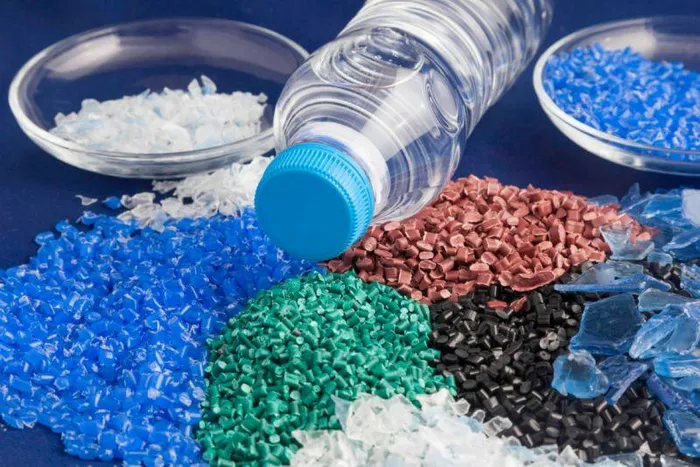
The PET industry is regarded as an important component of South Africa’s plastics and packaging sector, supplying materials used extensively by beverage, food and consumer goods manufacturers.
Image: Supplied
The International Trade Administration Commission of South Africa (ITAC) has recommended a significant increase in anti-dumping duties on imports of polyethylene terephthalate (PET) from China, concluding that the expiry of existing measures would likely result in continued dumping and further harm to the domestic industry.
In its final determination, ITAC found that imports of PET originating in or imported from the People’s Republic of China (PRC) continue to pose a threat to South African producers and recommended that anti-dumping duties be increased to 43.77% ad valorem on affected imports.
With the Commission concluding that dumping and injury are likely to continue if existing protections lapse, the recommended increase in duties signals a firm stance in favour of safeguarding local industry from unfairly priced imports.
PET is a widely used thermoplastic polymer found in plastic beverage bottles, food packaging, cosmetic containers, films and other packaging applications. It is one of the most commonly used plastics globally due to its strength, durability and moisture-resistant properties.
The investigation formed part of a sunset review process to determine whether the removal of anti-dumping duties would likely result in the continuation or recurrence of dumping and material injury to the local industry.
After reviewing submissions and market conditions, ITAC concluded that existing duties should not only be retained but strengthened.
“Taking into account all comments received and noting that no responses were received from any foreign producer or exporter, the Commission made a final determination that the expiry of the anti-dumping duty on the subject product originating in or imported from the PRC would likely lead to the continuation of dumping and the continuation of material injury,” the Commission stated.
The Commission subsequently recommended to the Minister of Trade, Industry and Competition that anti-dumping duties on PET imported from China be increased to 43.77%.
The proposed measure applies to PET classifiable under tariff heading 3907.6 and excludes products manufactured by several Chinese producers that are specifically identified in the determination.
According to the report, PET is produced using mono ethylene glycol and purified terephthalic acid. The material is widely used in the packaging industry because of its excellent mechanical strength, chemical resistance and ability to act as an effective barrier against moisture.
“Plastic bottles made from PET are widely used for mineral water and carbonated soft drinks,” the report noted. “Its high mechanical strength makes PET films ideal for use in tape applications.”
The review process attracted participation from domestic industry representatives and importers. However, ITAC noted that no responses were received from foreign producers or exporters from China during the investigation.
One of the importers that participated in the process was Coca-Cola Beverages South Africa (CCBSA), which submitted comments and responses during the investigation. The Commission considered submissions from both the applicant and interested parties before reaching its final determination.
The findings underscore South Africa’s continued use of trade remedies to shield domestic manufacturers from unfair international competition and to maintain industrial capacity within strategic sectors.
Anti-dumping duties are imposed when imported products are sold into a market at prices below their normal value, often creating pressure on local producers and potentially leading to lost sales, reduced profitability and job losses.
ITAC’s recommendation now awaits consideration by the Minister of Trade, Industry and Competition. Should the recommendation be approved, the higher duty will provide additional protection to local PET producers against lower-priced imports from China.
The decision comes amid broader efforts by government to support domestic manufacturing and encourage local production in key industrial value chains, including in the steel industry.
The PET industry is regarded as an important component of South Africa’s plastics and packaging sector, supplying materials used extensively by beverage, food and consumer goods manufacturers.
BUSINESS REPORT