

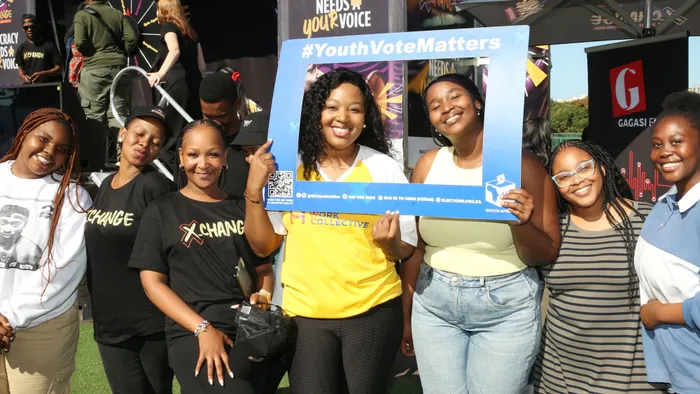
The fight against violence and intimidation in politics is vital for young women to step up and shape the future of South Africa.
Image: Shelley Kjonstad / IndependentNewspapers
Violence against women in politics remains one of the least understood but most significant obstacles to gender equality in South Africa's democracy, according to speakers at a Commission for Gender Equality (CGE) webinar on Wednesday ahead of the 2026 local government elections.
Gender Links' Gender and Governance Associate Susan Tolmay said women continue to face a range of threats and abuse simply for participating in political life, creating barriers that often prevent women from entering or remaining in leadership positions.
According to United Nations research, 80% of women politicians reported experiencing psychological violence, and 67% reported sexual violence.
The study also found that 42% had received death threats, rape threats, threats of beating or abduction, while 23% reported experiencing physical violence.
"Those are pretty staggering statistics that we really need to be interrogating and understanding," Tolmay said.
She said greater attention was needed to understand why women leave politics, whether they complete their terms in office, and what obstacles they encounter once elected.
Tolmay argued that the factors shaping women's political participation extend beyond elections themselves and include the role of election management bodies, political institutions, civil society, the media, and broader societal attitudes.
South African Local Government Association representative Councillor Nozililo Mashiya echoed concerns about the hostile environment many women leaders continue to face.
She said women politicians are often subjected to gender-based violence, online abuse, harassment, political intimidation, and sexist attacks that undermine their ability to participate fully in public life.
"Political participation should never come at the cost of personal safety and dignity."
According to Mashiya, these experiences discourage many women, particularly younger women, from entering politics or seeking leadership positions within municipalities and political parties.
Election management expert Terry Tselane said the issue also has implications for the credibility and inclusiveness of elections.
"If the environment is such that there are areas regarded as no-go zones, or where violence is prevalent, that obviously hinders participation," he said.
Speakers agreed that creating safer political spaces will be critical to improving women's representation ahead of the 2026 local government elections, warning that meaningful participation cannot be achieved while intimidation and violence remain part of the political landscape.