

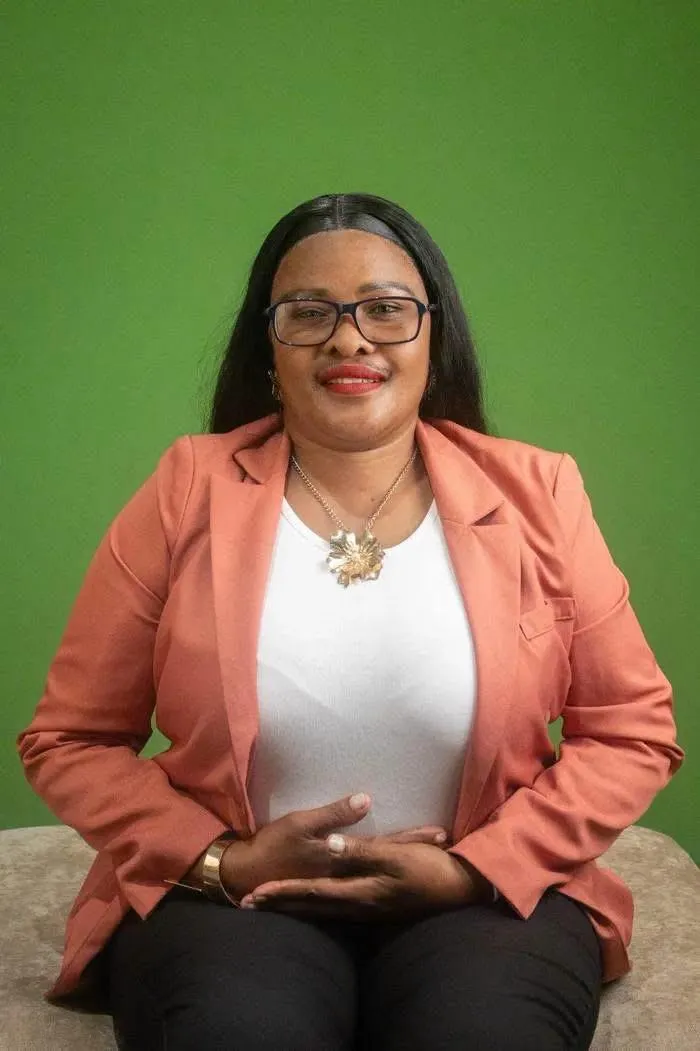
Sinovuyo Dyokwe, 48, a Dunoon community activist and ward candidate, was shot and killed on Saturday evening.
Image: SUPPLIED
The killing of five political candidates and councillors over a single weekend has cast a dark, violent shadow over South Africa’s preparations for the upcoming local government elections this November.
What was intended to be a celebration of grassroots democracy—a voter registration weekend designed to give citizens "the opportunity to register and prepare to participate"—instead devolved into a tragedy that has alarmed faith leaders, civil society groups, and political parties alike.
Among the dead is Sinovuyo Dyokwe, a Democratic Alliance ward candidate who was brutally murdered in the Cape Town township of Du Noon whilst voters were registering to cast their ballots. With further fatalities reported across the West Rand and Gqeberha, the country now faces a critical test of its democratic resilience on the road to the 2026 local government elections.
In the wake of the attacks, the Electoral Code of Conduct Observer Commission (ECCOC) has sounded a stark warning over the rising tide of political intolerance gripping communities. Bishop Joshua Louw, the Anglican Bishop of Table Bay—who is currently leading the independent watchdog while its chairperson, Archbishop Thabo Makgoba, is on sabbatical—condemned the assassinations, declaring: "We do not believe that we must settle our political differences with violence."
Bishop Louw warned that the killing of Dyokwe "raises the spectre" that the municipal elections "will take place in an environment where there appears to be greater intolerance among many South Africans towards those who might not look or sound like them, or who worship differently than them or who have different political beliefs." He noted with regret that "some political parties have used this to promote their own agendas" instead of fostering peace.
Because local government elections are "closest to the daily lives of communities," they frequently become "highly contested at local level," making municipal wards highly volatile flashpoints. Operating on the strength of its moral authority, the ECCOC is a completely voluntary multi-faith coalition that maintains no formal or legal ties to the Independent Electoral Commission (IEC).
Its current ranks bring together prominent Christian leaders alongside Muslim representatives such as Moulana Syed Haider and Shabodien Roomanay, as well as the Baháʼí representative Tahirih Matthee, and key civil society figures including Nomfundo Walaza and Ryland Fisher. To defuse tensions before November, the watchdog has announced an immediate intervention strategy, deploying its vast religious networks to engage congregations in urgent discussions on how they can "help promote a greater spirit of tolerance ahead of the elections."
The call for accountability has been echoed across the political spectrum, with ActionSA extending its deepest condolences to the grieving families and demanding that law enforcement agencies "prioritise these investigations and ensure that those responsible are brought to justice swiftly."
The party warned that "political violence has no place in a constitutional democracy," noting that such incidents "not only rob families and communities of their loved ones, but also discourage citizens from participating in political life."
Ultimately, the ECCOC maintains that credible elections depend not just on administration, but on a "public commitment to democratic values, constitutionalism and peaceful political engagement." As faith leaders rally to protect the "dignity and safety of voters," South Africa faces a defining choice: whether its future will be shaped by fear and intimidation, or by "the free exercise of democratic choice."