

Discover how a groundbreaking US-Iran peace agreement has invigorated global markets, from Wall Street to Asia, and the implications for future economic stability in an ever-changing geopolitical landscape.
Image: AFP
The global financial landscape experienced a notable transformation this week, ignited by the landmark announcement of a peace agreement between the United States and Iran.
Bianca Botes, Managing Director at Citadel Global, highlighted the resounding shift to a “risk-on” mood across markets, signalling optimism in the wake of this historic accord.
Wall Street futures leapt by just over 1% on Monday, underscoring the robust sentiment following a solid performance on Friday, where the S&P 500 ended the day 0.5% higher.
"This initial surge is just the beginning, as markets respond positively to the implications of renewed diplomatic relations between these two historically adversarial nations," Botes said.
Asia was quick to follow suit, with the South Korean KOSPI leading the charge, enjoying an impressive rally of 5.6%.
The enthusiasm resonated across the continent, as markets opened the first trading session of the week on a high note.
In the commodities sector, a significant fluctuation was noted in oil prices.
Brent crude took a dramatic dip of nearly 5%, now trading at approximately $85 per barrel.
In contrast, gold managed to rebound, climbing 2.5% to a trading value of $4,326 an ounce. This volatility in prices reflects the broader investor sentiment as the market assesses the ramifications of the peace deal.
This week is pivotal for global economies as central bank deliberations are in the spotlight.
The Federal Reserve is set to unveil its rate decision on Wednesday, which will be closely monitored by market participants.
"Additionally, the ongoing negotiations between the US and Iran take centre stage as anticipation builds for the signing of the final deal this coming Friday. However, the complexities of these discussions carry inherent risks, particularly regarding the potential for renewed military actions should an accord fail," Botes said.
Emerging market currencies have also benefitted from the prevailing shift in risk appetite.
The South African rand opened the week on a positive note, trading at R16.15 to the dollar, R18.75 to the Euro, and R21.62 to the pound, reflecting a strengthening of investor confidence amidst the backdrop of evolving geopolitical dynamics.
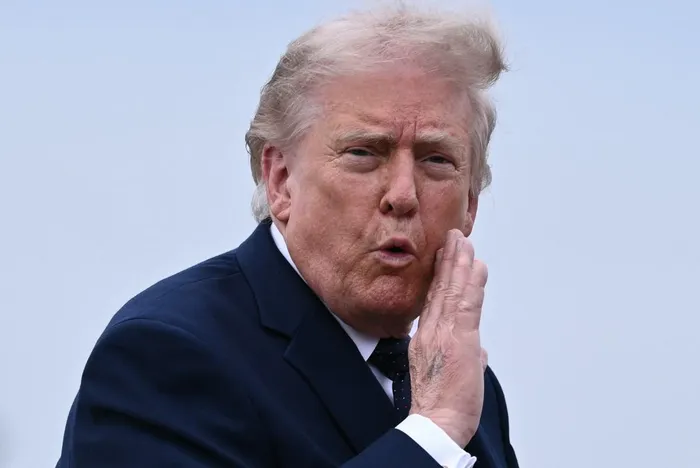
This monumental peace agreement signifies a turning point for American foreign relations as President Donald J. Trump directly conveyed the news to the American public.
In a confident declaration, he announced the successful culmination of negotiations with Iran, asserting the opening of the Strait of Hormuz for global shipping and the removal of the US naval blockade, urging ships to "start your engines" and "let the oil flow."
The Iranian government also shared a message of resolve, stating through their Supreme National Security Council that following an intensive negotiation process, Monday marked a victory against what they term as the "American Zionist enemy."
They declared an immediate cessation of all warfare, including military operations in Lebanon, as well as the complete removal of naval blockades against Iran.
As the geopolitical landscape transforms, the world watches closely, not just for the economic repercussions, but for the broader implications of peace in a region long marred by conflict.
Follow Business Report on Facebook, X and on LinkedIn for the latest Business and tech news.