

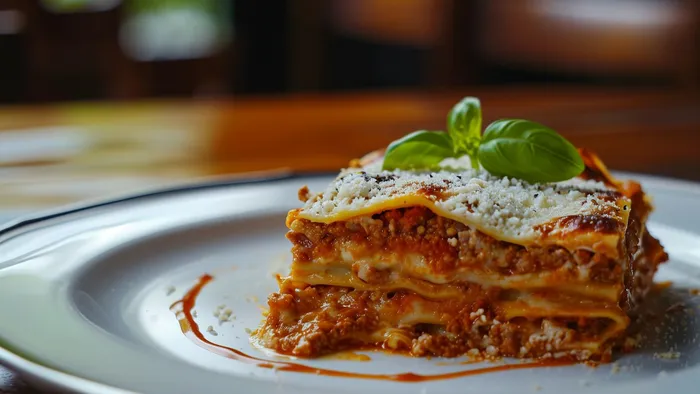
Authentic Italian lasagna isn't about piling on as much cheese as possible, it's about balance, patience and allowing simple ingredients to shine.
Image: Emanuel Ekström / Unsplash
Some meals instantly make a house feel like home, and lasagna sits firmly at the top of that list.
The moment it starts bubbling away in the oven, filling the kitchen with the aroma of slow-cooked sauce, creamy cheese and baked pasta, people naturally gravitate towards the table.
It's one of those dishes that suits almost any occasion. Whether you're feeding a large family on a Sunday, celebrating a birthday or taking a tray to a friend, lasagna has a way of bringing people together.
It is generous, comforting and, somehow, always tastes even better the next day.
While countless shortcuts make lasagna quicker to prepare, there's something to be said for making it the traditional way at least once.
Authentic Italian lasagna isn't about piling on as much cheese as possible. It's about balance, patience and allowing simple ingredients to shine.
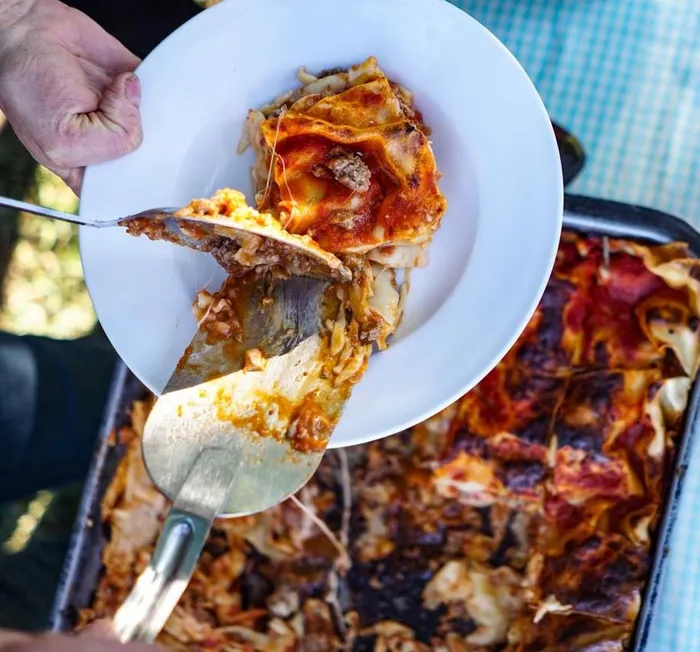
Some meals instantly make a house feel like home, and lasagna sits firmly at the top of that list.
Image: Anna Guerrero / Pexels
The beauty of a traditional lasagna lies in its layers. Every component has a role to play, from the rich meat ragù and silky béchamel sauce to the pasta sheets and carefully chosen cheeses.
Unlike many modern versions that rely heavily on tomato sauce and mozzarella, authentic lasagna is built around a slow-cooked meat sauce and a smooth white béchamel.
Together, they create a dish that is rich without feeling heavy, with each layer remaining distinct rather than blending into one dense bake.
It's this attention to detail that has kept lasagna at the heart of Italian family cooking for generations.
It's rarely rushed and is often reserved for weekends, celebrations and gatherings where good food is meant to be shared.
Even confident home cooks can end up with a lasagna that's dry, watery or collapses the moment it's served. Fortunately, most mistakes are easy to avoid.
Your sauce is too runny: A watery meat sauce is one of the biggest reasons lasagna refuses to hold its shape. Allow the ragù to simmer until it has reduced properly. A thick, rich sauce creates well-defined layers and prevents excess liquid from collecting in the baking dish.
You rush the cooking: Great lasagna rewards patience. A meat sauce cooked slowly develops a deeper flavour than one hurried through in half an hour. Giving the sauce enough time to reduce also improves the overall texture of the finished dish.
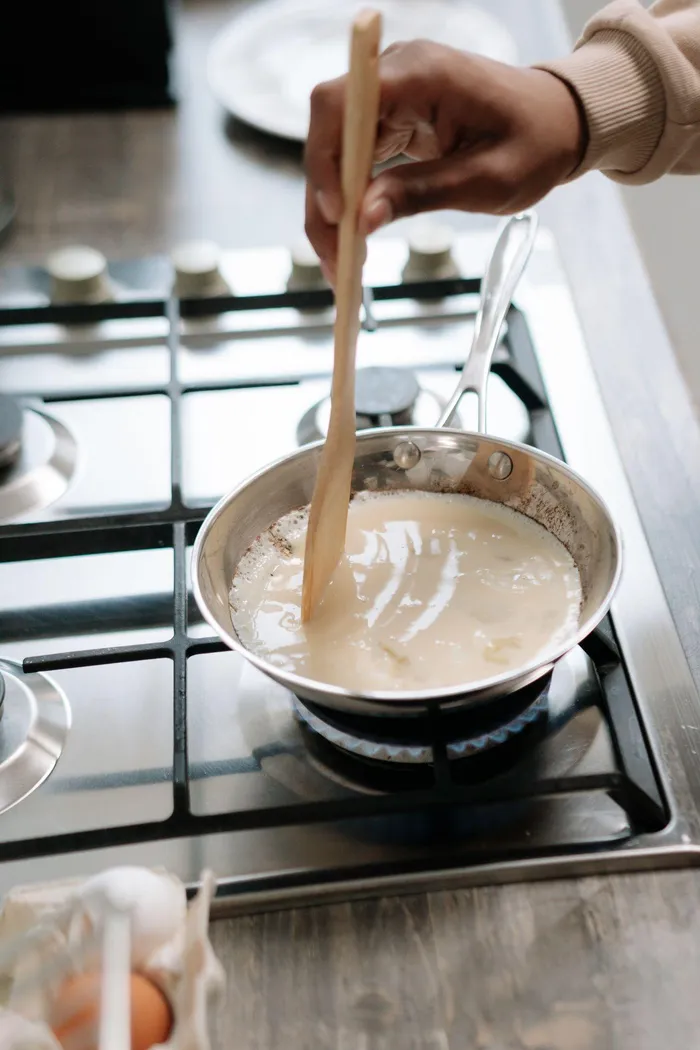
Many home cooks leave out the white sauce in favour of extra cheese, but béchamel is one of the defining elements of authentic lasagna.
Image: Cottonbro Studio / Pexels
You skip the béchamel: Many home cooks leave out the white sauce in favour of extra cheese, but béchamel is one of the defining elements of authentic lasagna. It softens the richness of the meat sauce, adds a velvety texture and helps bind the layers together without making the dish overly heavy.
You overload it with cheese: It's easy to think more cheese equals better lasagna, but too much mozzarella can make the dish greasy and watery. A balanced combination of mozzarella and Parmesan adds flavour without overpowering the other ingredients.
You don't season every layer: Seasoning only the meat sauce often results in a flat-tasting lasagna. Light seasoning throughout the cooking process helps every bite deliver balanced flavour.
You serve it too soon: One of the hardest parts of making lasagna is waiting. Allow it to rest for at least 15 to 20 minutes after baking. This gives the layers time to settle, making it much easier to cut neat slices that stay together on the plate.
The secret isn't expensive ingredients or complicated techniques. It's consistency.
Use good-quality ingredients, brown the meat properly before adding the tomatoes and don't rush the sauce.
Make sure each pasta sheet is fully covered with sauce so it cooks evenly, and spread the filling in even layers rather than piling everything into the centre.
Freshly grated Parmesan delivers better flavour than pre-grated cheese, while good-quality mozzarella melts more evenly and creates that satisfying golden finish without becoming oily.
Finally, resist the temptation to overload the dish. A well-layered lasagna is always more enjoyable than one that's packed so high it struggles to cook evenly.
INGREDIENTS
For the ragù
For the white sauce
For assembly
METHOD
1. Heat the olive oil in a large saucepan or casserole over medium heat. Add the carrot, celery and onion, and cook until softened.
2. Add the beef and pork mince, breaking it up with a wooden spoon, and cook until browned.
3. Spoon off any excess fat. Pour in the red wine and simmer until reduced by about half.
4. Stir in the passata, tomato paste, bay leaves and 1 litre of the beef stock. Season with the salt and pepper.
5. Reduce the heat and simmer gently, uncovered, for 2½ to 3 hours, stirring occasionally. Add the remaining beef stock halfway through the cooking time if needed. The ragù should be thick and rich.
6. Meanwhile, prepare the white sauce. Melt the butter in a saucepan over medium heat.
7. Stir in the flour and cook for 1 minute, stirring continuously.
8. Gradually whisk in half the milk until smooth, then whisk in the remaining milk. Add the nutmeg, Parmesan, salt and pepper, and cook, stirring, until the sauce thickens enough to coat the back of a spoon. Remove from the heat.
9. Preheat the oven to 180°C.
10. Spread a thin layer of ragù over the base of a large ovenproof dish. Arrange a layer of lasagna sheets on top, trimming to fit if necessary.
11. Cover with more ragù, followed by a layer of white sauce. Repeat the layers until all the ingredients have been used, finishing with a generous layer of white sauce.
12. Scatter the torn mozzarella over the top.
13. Bake for 45 minutes, or until golden brown and bubbling.
14. Remove from the oven and leave to rest for 10 minutes before slicing and serving.
(Recipe: Inside the rustic kitchen)
IOL Lifestyle