

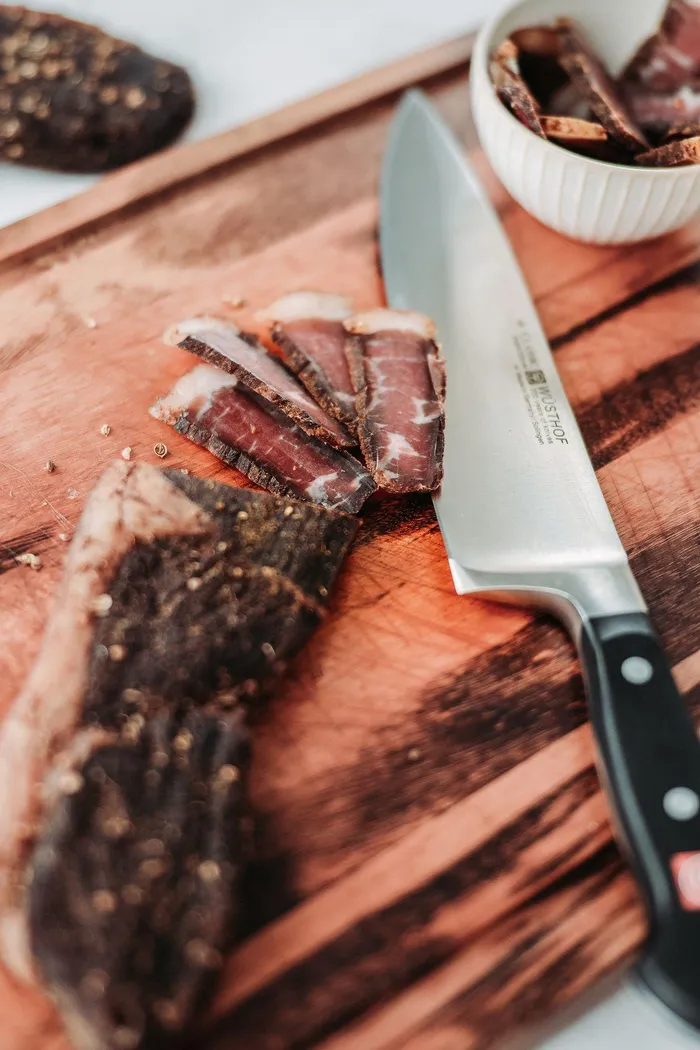
With a little patience, good-quality beef and a simple spice blend, you can produce traditional South African biltong without investing in specialised equipment.
Image: Jeff Siepman / Pexels
Few snacks are as proudly South African as biltong. Whether it's tucked into a lunchbox, enjoyed on a road trip or served with a cold drink while watching the rugby, it's a favourite that rarely lasts long once the packet is opened.
The downside is that good-quality biltong has become increasingly expensive, making it more of an occasional treat for many households.
The good news is that learning how to make biltong at home is far easier than most people think.
You don't need a specialised biltong maker or costly equipment; just quality beef, a handful of pantry staples and a well-ventilated space.
Once you've mastered the basics, you'll be able to customise the flavour, texture and spice blend to suit your own taste.
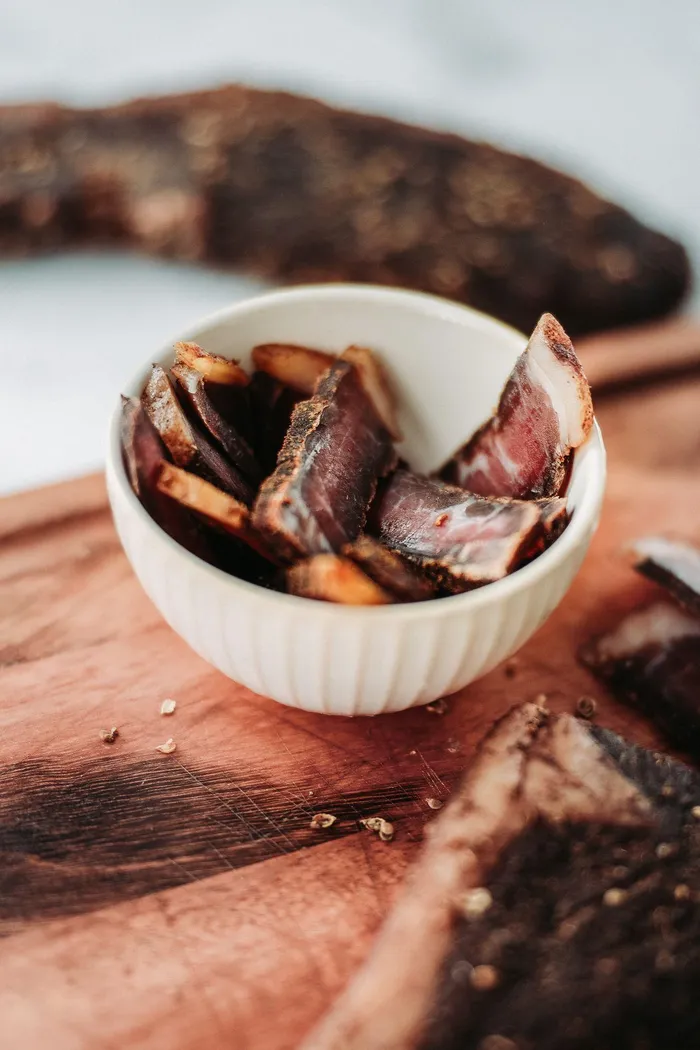
Once you've mastered the basics, you'll be able to customise the flavour, texture and spice blend to suit your own taste.
Image: Jeff Siepman / Pexels
The quality of your biltong starts with the meat. Lean cuts such as silverside or topside are favourites because they have very little connective tissue and dry evenly.
Many people prefer leaving a thin strip of fat along one edge for extra flavour, while others trim it off for a leaner finish.
Both methods work well, so it comes down to personal preference.
Buying a whole piece from your local butcher is often more economical than purchasing pre-cut strips.
Consistency helps the meat dry at the same rate.
Aim for strips about 1.5cm to 2.5cm thick. Thicker pieces will need a few extra days to dry, while thinner strips will be ready sooner.
The direction you slice also affects the final texture.
Cutting with the grain produces the traditional chewy bite many South Africans love, while slicing against the grain creates softer, easier-to-eat pieces.
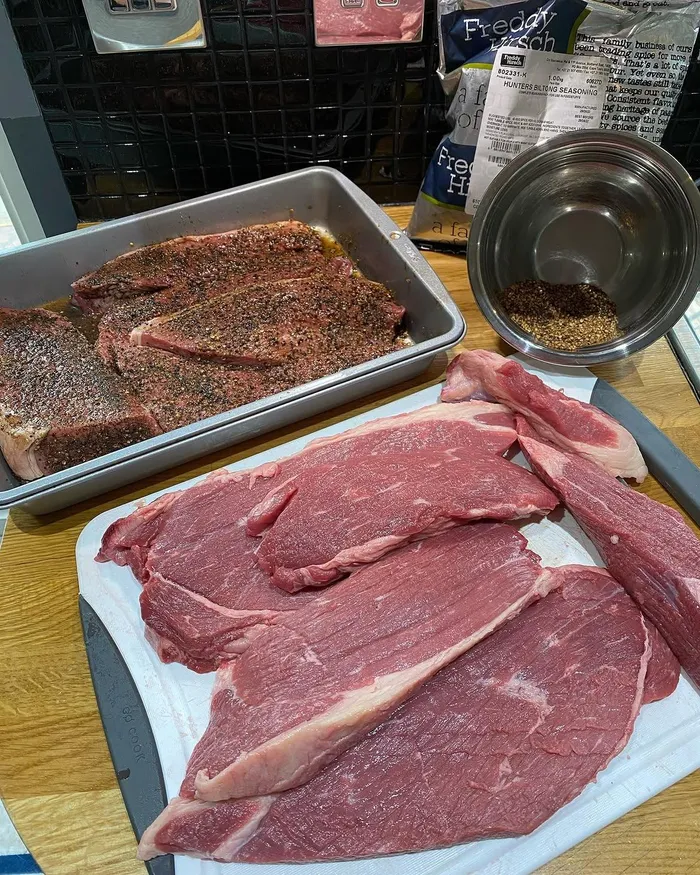
Consistency helps the meat dry at the same rate.
Image: Instagram / smokeaholic_johnny
One of the biggest misconceptions is that homemade biltong needs a complicated marinade.
A mixture of white vinegar and a splash of Worcestershire sauce is enough to season the meat while helping create an environment that discourages unwanted bacterial growth during the early stages of curing.
Coat each strip thoroughly before applying the spice mixture.
Traditional South African biltong relies on just a few ingredients done well.
The classic combination includes:
Lightly toasting the coriander before crushing it releases its oils and gives homemade biltong its unmistakable aroma.
Massage the spice mixture generously over every strip so the meat is evenly coated.
Not necessarily.
One of the biggest myths about making biltong is that you need to buy a dedicated drying cabinet.
In reality, good airflow is far more important than expensive equipment.
Hang each strip using clean hooks in a cupboard, laundry or spare room where air can circulate freely.
A small fan placed nearby can help keep air moving, especially during humid weather.
Leave enough space between each strip so they don't touch while drying.
If you don't have a suitable drying space, your oven can work as a temporary alternative.
Hang or place the meat on an oven rack, switch on the oven light and leave the door slightly open.
The gentle warmth from the light combined with natural airflow can help remove moisture without cooking the meat.
Avoid turning on the oven itself, as excessive heat will cook the beef instead of slowly drying it.
Drying time depends on the thickness of the meat, humidity and airflow.
Most homemade biltong is ready within three to five days, although thicker cuts can take up to a week.
Rather than relying only on the calendar, test the texture.
Some people enjoy biltong that's still slightly soft in the centre, while others prefer a firmer, drier bite.
Slice into one piece to check before removing the entire batch.
Once your biltong has reached the texture you like, store it in a paper bag, breathable cloth bag or loosely covered container in a cool, dry place.
Avoid sealing freshly made biltong in an airtight plastic container while it still contains moisture, as this can encourage mould.
If you've made a large batch, freezing portions helps preserve freshness for longer.
Small patches of white mould can sometimes develop if there's too much humidity or insufficient airflow.
If you notice green or black mould, it's safest to discard the affected pieces.
The best way to prevent mould is to start with fresh meat, keep all utensils and work surfaces clean, allow plenty of airflow during drying and avoid overcrowding the hanging strips.
Making biltong at home is one of those kitchen projects that seems intimidating until you try it for yourself.
With a little patience, good-quality beef and a simple spice blend, you can produce traditional South African biltong without investing in specialised equipment.
Once you've made your first batch, you'll quickly understand why so many home cooks swear by making their own; not only because it's more affordable, but because you can create the flavour and texture exactly the way you like it.