

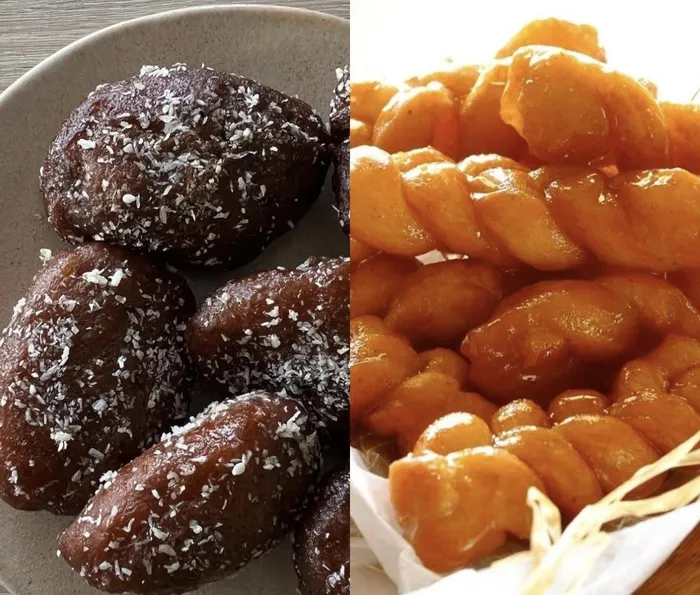
Whether you're enjoying a spicy Cape Malay koesister with your morning tea or biting into a crisp, syrupy koeksister, each has earned its place in South Africa's rich food culture.
Image: Instagram
When it comes to South African sweet treats, few spark as much confusion as the koesister and the koeksister.
The names sound similar, both are syrup-soaked favourites, and they're often mistaken for one another.
Yet anyone who has tasted both knows they are completely different treats with their own unique flavours, textures and histories.
Whether you're enjoying a spicy Cape Malay koesister with your morning tea or biting into a crisp, syrupy koeksister, each has earned its place in South Africa's rich food culture.
If you've ever wondered what sets them apart, here's a simple guide to understanding the difference. Better yet, we've included recipes for both so you can try making them at home.
A koesister is a Cape Malay treat that is especially popular in the Western Cape. Soft, fragrant and lightly spiced, it is made from a yeast-based dough, flavoured with aniseed, cardamom, cinnamon and mixed spice.
The dough is shaped, deep-fried until golden and then dipped into warm syrup before being sprinkled with desiccated coconut.
The result is a sweet, fluffy treat with a slightly chewy texture and warming spices that make it instantly recognisable.
Traditionally enjoyed on Sunday mornings, koesisters have become an important part of Cape Malay food heritage.
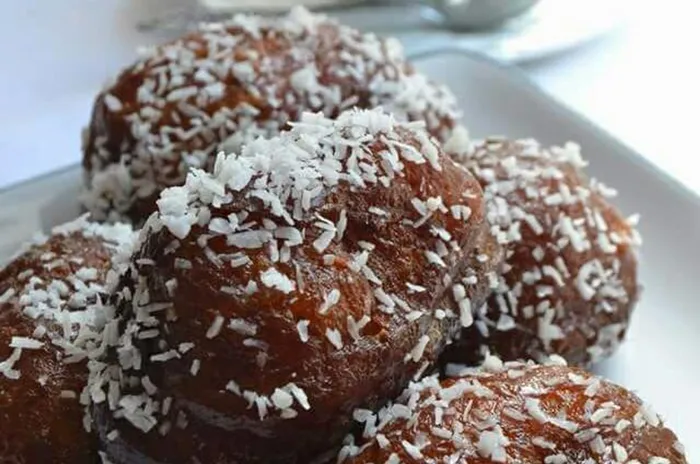
A koesister is a Cape Malay treat that is especially popular in the Western Cape.
Image: Supplied
A koeksister is quite different. This traditional Afrikaner confection is known for its distinctive braided shape, crisp exterior and sticky, syrup-filled centre.
Unlike a koesister, the dough is not heavily spiced and has a firmer texture. After frying, the hot pastries are plunged into ice-cold syrup.
This temperature contrast helps create the signature crunchy outside while allowing the syrup to soak into the centre.
The result is a sweet treat that is crunchy, glossy and satisfyingly sticky.
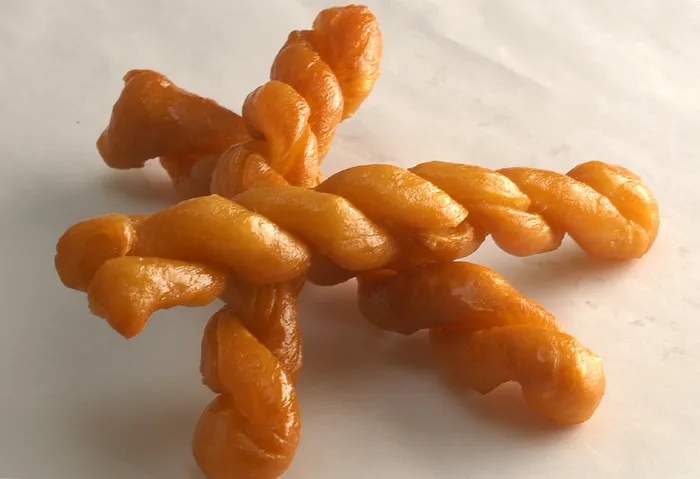
This traditional Afrikaner confection is known for its distinctive braided shape, crisp exterior and sticky, syrup-filled centre.
Image: KHAYA NGWENYA
While both treats are fried and soaked in syrup, that's where most of the similarities end.
A koesister is soft, spiced and topped with coconut. It is closely associated with Cape Malay cuisine and is often enjoyed as a breakfast treat.
A koeksister is braided, crisp and intensely syrupy. It is rooted in Afrikaner culinary traditions and is commonly enjoyed as a sweet snack or dessert.
Simply put, if it's soft, spiced and coated with coconut, it's a koesister. If it's braided, crunchy and dripping with syrup, it's a koeksister.
Now that you know the difference, why not try making both at home?
INGREDIENTS
Dry ingredients
Wet ingredients
METHOD
Sift all the dry ingredients together into a large bowl.
Place the boiling water in a separate bowl. Add the margarine and allow it to melt. Stir in the sugar, then add the cold milk and mix well.
Whisk the egg and add it to the dry ingredients.
Pour in the milk mixture and mix by hand until combined.
The dough will be sticky, which is exactly what you want. Do not add extra flour. Lightly oil your hands and rub the oil over the dough.
Cover with cling wrap and place in a warm spot for one to two hours, or until doubled in size.
There is no need to knead the dough.
Oil your work surface and shape the dough into oblong pieces.
Deep-fry over medium heat until golden brown and cooked through. Drain on paper towel.
Syrup ingredients
Syrup method
Bring the water, sugar, cardamom pods, cinnamon sticks and naartjie peel to a boil. Cook for about 10 minutes until slightly sticky and the sugar has dissolved.
Reduce the heat to low and add the koesisters. Allow them to cook in the syrup for 50 to 60 seconds until evenly coated.
Remove and lightly sprinkle with desiccated coconut before serving.
INGREDIENTS
Syrup
Dough
Method
Start by making the syrup. Add the sugar, water, cinnamon stick, vanilla essence, ginger and lemon juice to a saucepan and bring to a boil. Stir until the sugar has completely dissolved.
Pour the syrup into a heatproof bowl and refrigerate for four to six hours until thoroughly chilled.
Combine the flour, baking powder and salt in a bowl. Rub in the cold butter using your fingertips until the mixture resembles breadcrumbs.
In a separate bowl, whisk together the egg and milk. Add to the flour mixture.
Mix lightly to form a dough, then transfer to a clean work surface. Knead for about 10 minutes, adding a light dusting of flour if needed.
Cover with cling wrap and refrigerate for one hour.
Roll out the dough and cut into rectangles. Cut each rectangle into three strips, leaving them attached at the top. Plait the strips and pinch the ends tightly to seal.
Heat the oil to 180°C.
Place the chilled syrup bowl over an ice bath to keep it cold while frying.
Fry the koeksisters until golden and crisp.
Remove from the oil and immediately place them into the cold syrup, ensuring they are fully coated. Leave them in the syrup for two to three minutes.
Transfer to a cooling rack and allow to cool before serving.