

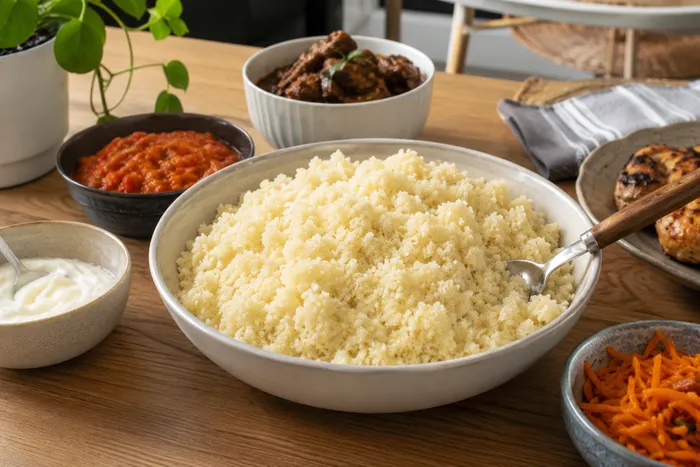
Known by different names including uPhuthu, uMphokoqo and krummelpap, this humble dish is enjoyed in homes across the country.
Image: AI / ChatGPT
Few South African dishes are as simple, affordable and widely loved as uPhuthu. Made from maize meal and water, it has been a staple on family tables for generations.
Yet despite its simplicity, getting uPhuthu perfectly fluffy can take a little patience and know-how.
Known by different names including uPhuthu, uMphokoqo and krummelpap, this humble dish is enjoyed in homes across the country.
While the names may vary depending on region and language, they all refer to the same crumbly maize meal dish that has become a cornerstone of South African cuisine.
What sets uPhuthu apart from other types of pap is its texture. Unlike mieliepap, which is softer and smoother, or stywe pap, which is firm enough to shape into a ball, uPhuthu should be light, dry and crumbly.
Each grain should remain separate, creating the fluffy texture that makes it such a favourite.
Part of its appeal is its versatility. Some South Africans enjoy uPhuthu with amasi, while others serve it with chakalaka, stews, curries or braai.
It works just as well as a simple weekday meal as it does alongside a feast shared with family and friends.
For many people, uPhuthu is more than just a side dish. It is a food that evokes memories of home, family gatherings, and recipes passed down through generations.
Its popularity has endured because it is both economical and satisfying, proving that some of the best meals are often the simplest.
Even Nelson Mandela was known to enjoy uMphokoqo served with amasi, a traditional pairing that remains popular today.
The answer lies in the steaming process. While the ingredients are simple, rushing the cooking can leave the pap dense and heavy. Good uPhuthu takes time.
To make it, bring lightly salted water to the boil before gradually sprinkling in the maize meal.
Allow it to absorb the moisture before covering the pot and reducing the heat.
As it steams, use a fork to gently break up the maize meal into fine crumbs.
Continue fluffing it from time to time while allowing it to steam through.
Many experienced cooks agree that using too much water is one of the biggest mistakes.
The goal is not a smooth pap but a light, crumbly texture with distinct grains.
Giving the maize meal enough time to steam and dry out is often the difference between average uPhuthu and truly fluffy uPhuthu.
Its ingredients may be humble, but when prepared properly, uPhuthu remains one of South Africa's most comforting and beloved dishes.