


Few things make a house feel more welcoming than the aroma of a fresh loaf filling every room.
Image: Freepik
My grandmother used to make bread from scratch look effortless.
I can still remember hovering around the kitchen, waiting impatiently for a freshly baked loaf to emerge from the oven.
The reward was always the same: thick slices slathered with real butter and apricot jam while the bread was still warm enough to melt everything into a glorious mess.
Years later, when lockdown turned half the world into amateur bakers, I decided it was finally my turn to master the art of breadmaking.
Like everyone else, I was hunting down flour and yeast, which seemed to disappear from supermarket shelves almost as quickly as toilet paper.
The problem? My bread never quite lived up to expectations.
The dough was either too sticky, too dry, too dense or simply refused to cooperate. More often than not, the kneading process was where things went wrong. While some people find kneading therapeutic, I found it frustrating. No matter how many tutorials I watched, my dough never seemed to look like theirs.
Yet despite the setbacks, there was one thing that kept drawing me back: the smell of bread baking in the oven. Few things make a house feel more welcoming than the aroma of a fresh loaf filling every room.
Whether you're dreaming of eventually baking sourdough, focaccia or crusty artisan loaves, learning the basics is where every bread-making journey begins.
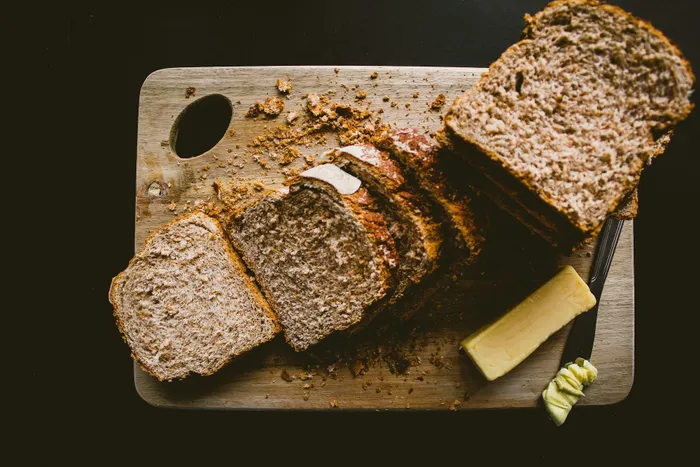
Few things make a house feel more welcoming than the aroma of a fresh loaf filling every room.
Image: beyondprayers.com / Unsplash
At its heart, bread is remarkably simple. Most basic loaves require just four key ingredients: flour, water, salt and yeast.
The magic happens when these ingredients work together. The yeast feeds on sugars and releases gases that help the dough rise, while the flour develops structure and texture. Salt adds flavour and helps strengthen the dough.
Traditional breadmaking follows a series of straightforward steps: mixing, kneading, rising, shaping and baking.
While the process sounds simple, breadmaking is often described as a science for good reason.
One of the biggest mistakes beginner bakers make is estimating quantities rather than measuring them accurately.
As you gain experience, you'll learn how dough should feel and may become comfortable making adjustments. But when you're starting out, it's worth following recipes carefully.
Bread relies on precise ratios. Too much flour can result in a heavy, dry loaf, while too much water can leave you battling sticky dough.
Accurate measurements give the yeast the best chance of doing its job and help create the texture you're aiming for.

One of the biggest mistakes beginner bakers make is estimating quantities rather than measuring them accurately.
Image: charlesdeluvio / Unsplash
For many novice bakers, kneading is the most intimidating part of breadmaking.
It can feel messy, confusing and surprisingly physical. That's why no-knead bread has become so popular over the past decade.
Instead of relying on vigorous kneading to develop gluten, no-knead recipes use time. The dough rests and rises for longer, allowing the gluten structure to develop naturally.
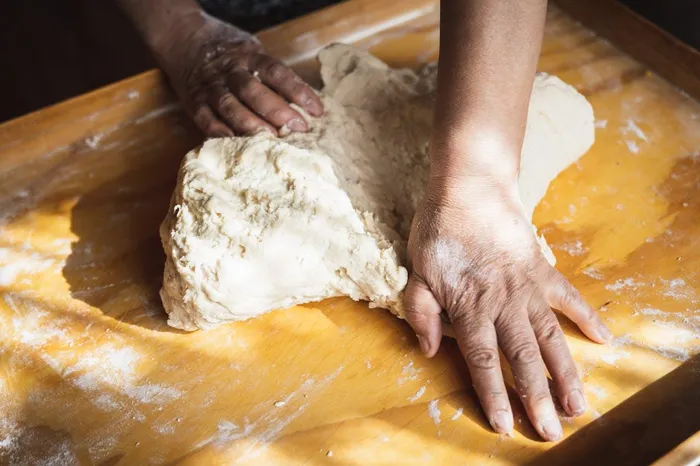
For many novice bakers, kneading is the most intimidating part of breadmaking.
Image: Patricio Nahuelhual / Pexels
The result is a loaf with a wonderfully rustic texture and flavour, without all the elbow grease.
For anyone who has been put off breadmaking because of kneading, these recipes can be a game-changer.
One of the simplest versions comes from beloved South African cook and cookbook author Fatima Sydow, whose approachable recipes inspired countless home cooks.
Her no-knead bread recipe proves that making a loaf from scratch doesn't have to be complicated.
Ingredients
Method
In a large bowl, combine the flour, yeast, salt and sugar.
Add the oil and lukewarm water, then mix until a soft dough forms. You can use your hands to make sure you’ve incorporated all the flour.
Oil the dough and the bowl slightly, which will help smooth out the dough.
Cover the bowl with plastic wrap and leave the dough to rise in a warm place until doubled in size.
The dough is then transferred into a greased loaf tin.
Cover the tin with plastic wrap and allow the dough to rise until it reaches the top and touches the wrap
Egg wash the top of the dough before it goes into the oven.
Bake in a preheated oven at 190°C for approximately 35 minutes, or until the loaf is golden brown and sounds hollow when tapped underneath.
Remove from the oven and allow it to cool slightly before slicing.
Of course, you can wait until the bread has cooled completely before cutting into it.
Or you can do what most of us do.
Slice off a thick piece while it's still warm, spread it generously with butter and top it with your favourite jam.
Some traditions are simply too good to resist.
And with a recipe this easy, homemade bread might finally become part of your own.