

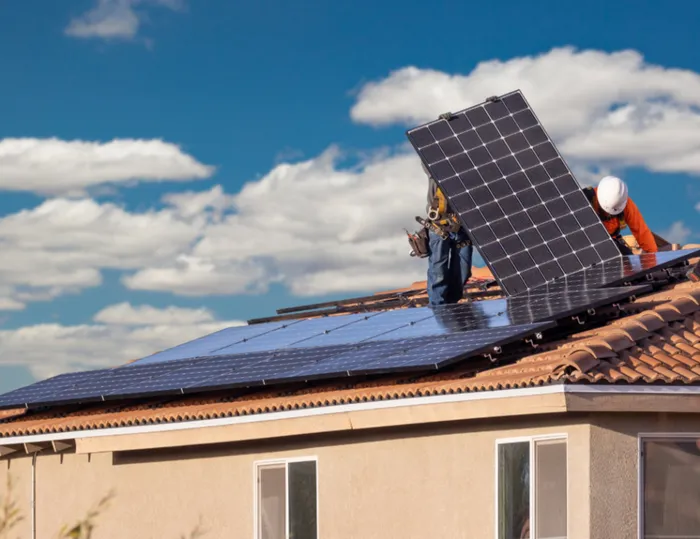
SAPVIA and City Power are joining forces to overcome significant hurdles in solar energy registration, aiming for a sustainable energy landscape in Johannesburg. Discover how these developments could reshape your energy experiences.
Image: Supplied
In a notable move towards enhancing sustainable energy practices, the South African Photovoltaic Industry Association (SAPVIA) has initiated high-level discussions with City Power, Johannesburg's municipal power utility.
Their collaboration aims to resolve the longstanding backlog in Small-Scale Embedded Generation (SSEG) registrations while laying the groundwork for a more stable and efficient distributed energy framework in the city.
The discussions focused on addressing the technical and administrative challenges that have been impeding the growth of solar energy in Johannesburg.
Presenting at the meeting was Justin Hendricks of the SAPVIA Residential PV Working Group, who shed light on the hurdles facing the industry and underscored the pressing need for a solution.
One of the primary issues discussed was the "legacy" SSEG applications that have been lodged between 2022 and August 2025.
SAPVIA has put forth a transitional approach to assess these outstanding submissions, arguing that consistency in the administration of applications is vital for system installations compliant with the regulations of that particular period.
“Regulatory certainty is the fuel for voluntary compliance,” Dr. Patrick Narbel, Chair of SAPVIA’s Residential PV Working Group said.
“By clearing the SSEG registration backlog, we’re removing the roadblocks to a sustainable city and ensuring no solar pioneer is left in administrative limbo.”
Both SAPVIA and City Power acknowledged the need to transform the archaic manual submission processes into a more streamlined, digital paradigm.
The discussion drew comparisons to successful digital platforms, such as the City of Cape Town's online registration portal, which has proven effective in improving processing times for new solar installations.
Dr. Narbel added, “It’s time to move from manual hurdles to digital solutions. Streamlining the registration process isn't just about paperwork; it’s about accelerating Johannesburg’s journey to energy independence.”
The meeting also addressed the current public sentiment surrounding the mandatory shift of SSEG users from prepaid to postpaid tariffs.
Under the new structure, users are witnessing a substantial increase in costs, from an average of R230 on prepaid to a range of R1070 – R1360 on postpaid.
This drastic rise is viewed as a disincentive for legal registration.
Sim Khuluse, SAPVIA's Technical and Policy Manager, urged for a balanced solution.
Khuluse said, “We must ensure that the transition to a greener grid does not become a financial burden that punishes early adopters. Our goal is to work with utilities and municipalities to find a middle ground where the grid remains viable, but the consumer is not alienated by sudden, steep tariff hikes.”
In a positive development, SAPVIA noted that these concerns are being considered by City Power, with discussions underway about alternative strategies such as maintaining prepaid systems for users without power exports and introducing tariff options that reflect actual usage costs.
To foster ongoing success, SAPVIA proposed the establishment of a dedicated forum for continuous technical exchanges with City Power.
While both parties recognise that implementing a formal structure may take time, they are committed to a joint communication strategy aimed at reassuring the public about the changes ahead.
“Our shared objective is to make compliance the easiest and most attractive path for Johannesburg’s energy users,” Hendricks said.
“By streamlining the registration process and resolving the backlog of legacy applications, we can protect the grid's integrity while empowering residents to contribute to a sustainable, resilient energy future for the city,” Hendricks said.
Follow Business Report on Facebook, X and on LinkedIn for the latest Business and tech news.