

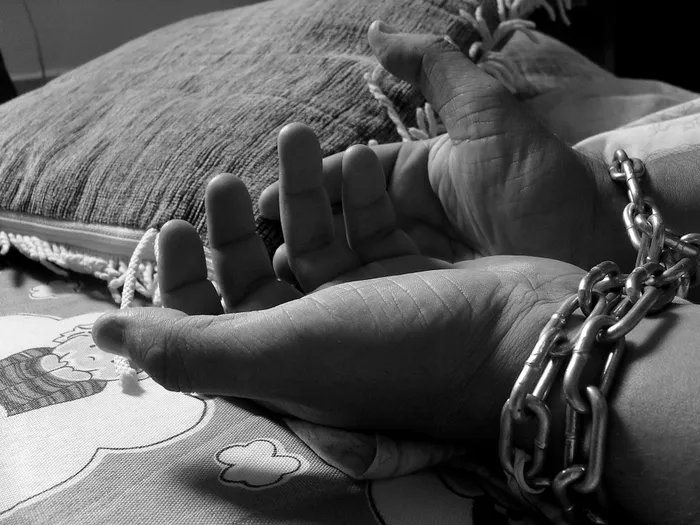
Cosatu has presented a crucial submission to the USTR, highlighting the urgent issue of forced labour and its implications for workers in South Africa and beyond. This article explores the challenges and strides made in combating this modern-day slavery.
Image: File.
The Congress of South African Trade Unions (Cosatu) presented its submission on the burning and often neglected issue of forced labour to the United States’ Trade Representative (USTR) this past week.
Whilst we differ sharply with the USTR’s approach to this existential matter for millions of workers, it is an issue of great importance for the working class, particularly in the developing world, including South Africa.
Ending slavery and forced labour were among the rallying calls for the formation of trade unions across the world from industrialised to developing nations.
As society has evolved slavery was criminalised and labour rights improved, however we still witness frequent abuses, including forced labour and more recently we have seen a growth in human trafficking linked to these. South Africa despite its advances and progressive labour laws has not been immune from these horrors.
Drafting Cosatu’s submission on the progress we have made as a nation since the advent of democracy in 1994 under successive African National Congress led administrations was a moment of great pride.
We can be proud that our progressive Constitution, labour and other laws deal firmly with slavery, forced labour and human trafficking. In no small part these are products of decades of workers’ struggles, particularly led by Cosatu.
Whilst we have made great strides tackling the scourge of forced labour and trafficking, we must be honest and acknowledge our real gaps, particularly with regards to enforcement and holding transgressors accountable, and to keep pace with often very sophisticated global human trafficking syndicates.
21 million persons across the world are estimated to be in some form of forced labour with alarming numbers for child labour. For those affected, labour rights and protections are a faint hope, in particular for women trafficked for sexual exploitation.
We have seen a deeply worrying increase in South Africans trafficked abroad under the pretense of lucrative jobs into forced labour and crime syndicates as far away as Myanmar.
One of the points raised by the USTR is that forced labour threatens the competitiveness of US companies.
It equally challenges the very survival of South African companies who correctly embrace compliance with our labour and other laws.
Slavery, forced labour and human trafficking are some of the worst abominations facing humanity, something that should never be tolerated. The challenge facing South Africa as Vladimir Lenin challenged, is what is to be done?
First is the tightening of our legislation to protect workers, in particular our trade and customs laws to empower the Minister for Trade, Industry and Competition to impose bans and tariffs on companies and imports from businesses involved in any form of forced labour.
Second is to invest further in the capacity of the Department of Employment and Labour, in particular its inspectors to ensure all workplaces, particularly in high-risk sectors, comply with our laws at all times.
Over the past year we have seen a welcome increase in the number of workplace inspections and the prosecution and conviction of offending employers, including substantial prison sentences for some Chinese employers involved in forced labour.
The South African Revenue Service has done well to improve tax compliance, however customs enforcement remains one of its major challenges and weaknesses. Further investments in its capacity through filling frontline vacancies, strengthening IT systems and deploying scanning machines are key to tackling fraud and illegal imports.
Similar resourcing is desperately needed for the Border Management Authority, hamstrung by a devastating 75% vacancy rate and the South African National Defence Force which are tasked with securing over 72 points of entry, 5244 kms of land borders and 2798 kms of coastlines.
There is a need for a common international approach to this burning matter. A piecemeal approach will not be sufficient. One nation cracking down on it will often simply see such practices displaced to less equipped countries.
There is a need for the International Labour Organisation (ILO) to lead this struggle by establishing a global database of workplaces and countries found to be guilty of such forced labour activities.
This is key to avoid this progressive cause being exploited for narrow domestic protectionist calls or being weaponised to victimise countries for geo-political grudges.
It is important that the ILO craft a common global stance on forced prison labour and exports linked to this practise. Whilst South Africa has correctly criminalised this practise, many leading industrial countries, including some of our largest trading partners, have not and in fact actively use such forced prison labour.
Strengthening legislation, improving capacity to enforce them and cracking down on workplaces and imports involved in forced labour will send a clear message to such employers that this behaviour will not be tolerated.
Whilst we are proud of how far we have come as a country, we are pained as Cosatu that so many workers, and in particular women and children, are subjected to the crimes of forced labour in South Africa and across the world.
It is incumbent upon us as Cosatu to provide meaningful and practical solidarity for workers less fortunate than us, in particular in countries such as Myanmar and Sudan where such abuses are tragically all too frequent, or even in sweatshops closer to home in Lesotho.
Cosatu will soon be holding its national congress, the workers’ parliament. Tackling this scourge of modern-day slavery will be one of the issues to be fleshed out.
It will be key that we emerge from congress with a bold and decisive campaign for Cosatu to lead this struggle at our workplaces with inspection raids, in strengthening our legislation through Nedlac and Parliament, in cracking down on imports built through forced labour and by leading negotiations in our international forums, in particular the ILO.
Solidarity is about giving hope to the most downtrodden and exploited, be it in South Africa or elsewhere. Workers should not be expected to tolerate such abhorrent crimes in this day and age. Cosatu is determined to ensure that such violations become a thing of the past.
Zingiswa Losi is the president of Cosatu.
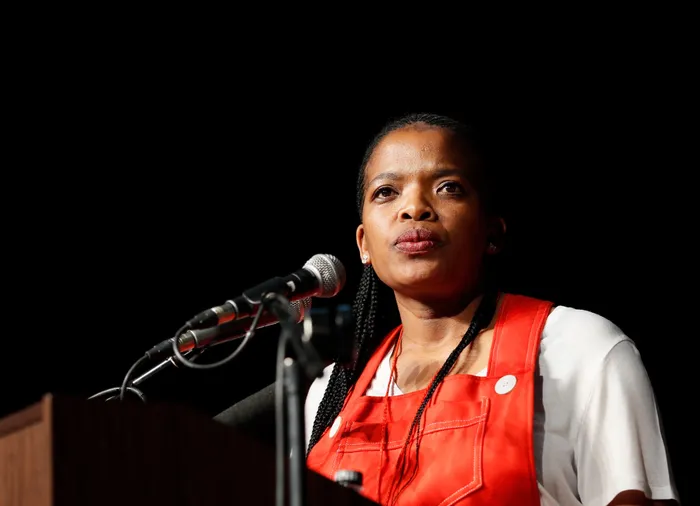
Zingiswa Losi is the president of Cosatu.
Image: Independent Newspapers
Follow Business Report on Facebook, X and on LinkedIn for the latest Business and tech news.