

Many taxpayers will still need to complete their own returns during the 2026 tax season.
Image: Gemini AI
Millions of South Africans have been auto-assessed and have already received their tax refunds, but many taxpayers will still need to complete their own returns during the 2026 tax season.
The South African Revenue Service (SARS) has auto-assessed around 1.9 million taxpayers, with billions of rand in refunds already paid out since the start of the filing season.
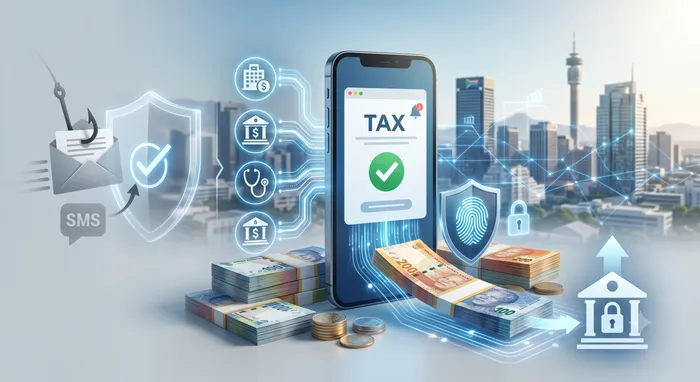
Auto-assessments are based on information received from employers, banks, medical schemes and retirement fund administrators. This information is used by SARS to pre-populate sections of a taxpayer’s return.
The auto-assessment period runs until July 12, 2026, and will be followed by the opening of the normal filing period on July 13, 2026.
Taxpayers who do not receive an auto-assessment notification by the deadline will need to submit their income tax returns themselves through SARS eFiling or the SARS MobiApp.
According to the revenue service, taxpayers who are not auto-assessed and do not receive a notification by July 12, 2026, must prepare to submit their own tax returns when the normal filing period opens on July 13.
Taxpayers must:
IOL also previously reported that not everyone will be included in the auto-assessment system. The revenue service said the process only works where taxpayer information is complete, consistent and verified through third-party data sources such as employers and banks.
"You will not receive an Auto Assessment if your personal information is incomplete (you can update your details on eFiling). You will also not be Auto Assessed if you received income other than employment and investment income, e.g. rental income," the revenue service said.
In practice, this means auto-assessments are reserved for taxpayers whose tax affairs are straightforward and whose income can be verified through information submitted by third parties. Taxpayers with more complex financial affairs, missing information or income that SARS cannot verify automatically will generally need to submit a tax return during the normal filing season.
For instance, taxpayers who earn business or foreign income, have capital gains, multiple sources of income or other information that cannot be verified through third-party data, will generally not qualify for auto-assessment.
IOL Business