

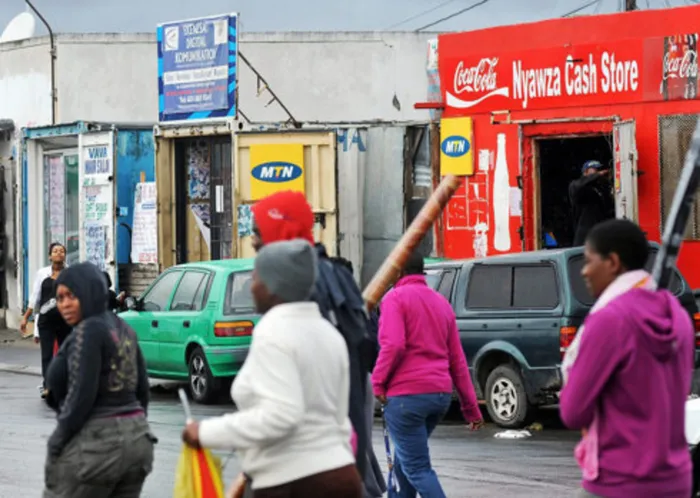
South African consumers are facing a financial storm as fuel prices surge, exacerbating the ongoing cost-of-living crisis and food inflation, with no relief in sight from interest rate cuts.
Image: Independent Newspapers Archives
South Africa is grappling with a significant rise in inflation, primarily driven by soaring fuel prices. Here’s a rundown of the key developments surrounding this economic situation.
In April, South Africa’s annual consumer inflation surged to 4.0%, up from 3.1% in March. This marks the highest level of inflation since August 2024 and comes sooner than most economists anticipated.
The steep rise in inflation can be attributed to unprecedented fuel price increases, with petrol prices jumping by 15.2% and diesel soaring by 35.4%.
The fuel index soared by 18.2% between March and April, representing the most considerable monthly surge since 2008. Inland 93-octane petrol prices rose from R20.19 per litre to R23.25, a significant increase in South Africa’s fuel price history.
Diesel prices increased even more dramatically, with the average price surging from R21.28 to R28.80 per litre in the same timeframe, placing further pressure on consumers and the economy.
The South African Reserve Bank (SARB) is closely monitoring these developments. Analysts, including Elna Moolman from Standard Bank Group, express concerns that rising fuel costs might trigger broader inflation across various sectors.
With the current inflation rates, the likelihood of an interest rate hike has increased. Investec’s chief economist Annabel Bishop predicts a potential increase of 0.25 percentage points at the month's end.
Economists, like Lerato Ntuli of Anchor Capital, suggest that ongoing global events, like the Iran conflict, may continue to keep oil prices elevated, exacerbating inflationary pressures.
Despite the alarming overall inflation rate, core inflation (which excludes food and energy costs) remains relatively contained at around 3.6%. This suggests that underlying pressures across other economic areas are more stable.
Statistics reveal the significant increase of fuel prices over the decades, highlighting that 93-octane petrol was just 21.1 cents per litre in January 1976, a staggering rise of about 12,470% by May 2026.
The impact of fuel prices extends to transport costs, with passenger transport services increasing by 3.1%. Notably, airfare costs have spiked significantly, with a 24.5% increase in April alone, following earlier hikes.
On a positive note, food inflation has decreased, easing from 3.6% in March to 2.9% in April. Several staple foods have even entered deflation, providing a sliver of relief for consumers amid rising costs.
Conversely, health insurance costs have seen a steady uptrend, with a 1.3% month-on-month increase due to rising medical aid contributions, further impacting consumers.
IOL