

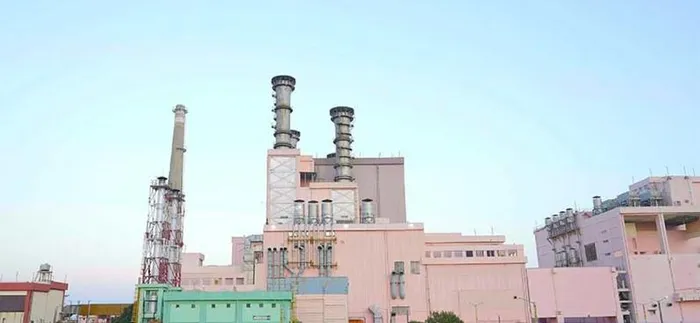
Located in Kalpakkam, Tamil Nadu, the PFBR’s criticality signals India’s transition into the second stage of its ambitious three-stage nuclear power programme.
Image: Supplied
India is at the cusp of generating its own nuclear energy now that its 500 megawatt (MW) locally-built and designed Prototype Fast Breeder Reactor (PFBR) has reached 'criticality’ - the stage at which a nuclear reactor achieves a controlled, self-sustaining chain reaction for the first time - marking a crucial step towards generating electricity.
This milestone reflects India's mastery in advanced "fast breeder" technology, which produces more fuel than it consumes and takes the country closer to its goal of long-term energy security. Russia is the only other country in the world with operational commercial fast breeder reactors.
Located in Kalpakkam, Tamil Nadu, the PFBR’s criticality signals India’s transition into the second stage of its ambitious three-stage nuclear power programme, conceived by Dr Homi Jehangir Bhabha, widely regarded as the architect of the country’s nuclear strategy. This long-term vision is now beginning to bear fruit, positioning India to significantly enhance its energy independence.
Beyond its technological importance, the PFBR represents a major stride towards India’s clean energy goals. It aligns with Prime Minister Narendra Modi’s commitment to achieving net-zero emissions by 2070, while also reducing reliance on fossil fuels. For a country that imports approximately 87% of its energy needs, the implications are profound.
India’s nuclear strategy is uniquely tailored to its resource realities. While the country has limited uranium reserves, it possesses some of the world’s largest thorium deposits. Its three-stage nuclear programme is designed to ultimately harness this abundance of thorium for power generation, creating a sustainable and long-term energy solution.
Stage 1 of the nuclear programme entailed using natural uranium as fuel to generate power. The spent fuel from these reactors produces plutonium, which becomes the primary input for the next stage. In Stage 2, which has now been reached, the plutonium obtained from Stage 1 is used as fuel in Fast Breeder Reactors (FBR).
The PFBR at the Kalpakkam reactors will now be used to breed Uranium-233 from thorium, thus laying the groundwork for Stage 3, where the nuclear reactors will be able to use India's vast thorium reserves at scale, using the Uranium-233 bred in Stage 2 as fuel. Since thorium is a near limitless source of energy, which can potentially power India for 400 years, the last phase of its nuclear programme holds the key to the country’s long-term energy security.
India's current nuclear capacity stands at 8.78 Gigawatt (GW), with nuclear power accounting for approximately 3% of its total electricity generation. Together with its indigenous 700 MW reactors and another 1,000 MW reactors that are being developed through international cooperation, the country’s installed capacity is projected to reach 22.38 GW by 2031 - 32.
This nuclear breakthrough, underlining the strength of India's indigenous capability, comes at a time when the country has envisioned a significantly larger role for nuclear energy in its overall power mix. In its 2025-26 budget, New Delhi announced the Nuclear Energy Mission, with the aim of achieving 100 GW of nuclear power generation capacity by 2047.
This is a time of increased global energy insecurity, with the ongoing Middle East conflict and disruptions linked to the Strait of Hormuz having exposed the vulnerability of energy-importing nations. For India, the world’s most populous country with aspirations of becoming the third-largest global economy, such disruptions pose significant risks.
In this context, India’s steady investment in indigenous nuclear capability appears prescient. By advancing towards energy self-sufficiency through clean and reliable nuclear power, the country is not only insulating itself against external shocks but also laying the groundwork for sustained economic growth. India’s nuclear breakthrough is therefore more than a technological milestone - it is a strategic pivot towards energy security, resilience, and a low-carbon future.
* Fawzia Moodley is a freelance writer.
** The views expressed do not necessarily reflect the views of IOL or Independent Media.
BUSINESS REPORT