

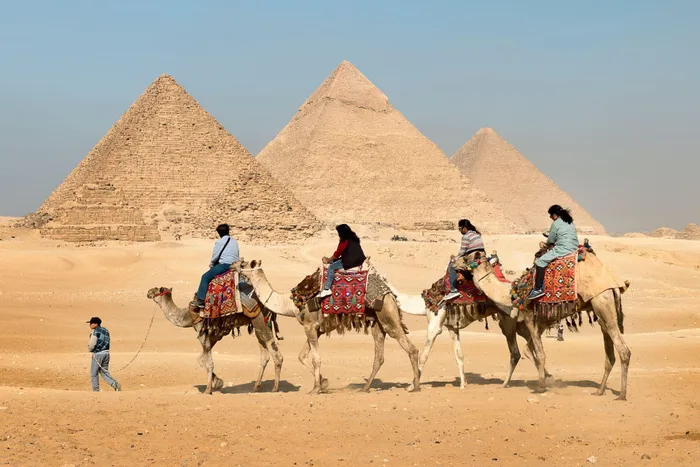
A common sight beneath the clear skies of Egypt is set to vanish, as visitors are prohibited from camel riding in the vicinity of the Great Pyramids of Giza.
Image: Pexels/ Murat Şahin
The mistreatment of wildlife within the travel industry remains a global point of contention. As holidaymakers increasingly embrace ethical travel practices, the urgent demand to abolish animal exploitation is intensifying, leading to significant breakthroughs in several regions.
A notable instance is Egypt’s recent intervention, which restricts camel and horse transport specifically within the vicinity of the Pyramids of Giza, rather than implementing a universal ban across all heritage locations.
These regulatory steps form a component of wider-reaching strategies aimed at strengthening safety procedures and preserving the global image of the Egyptian travel market.
In a recent Facebook post, "El-Shai" revealed: “Cruelty-free tourism - or ethical travel - focuses on respecting wildlife habitats, supporting genuine sanctuaries, and avoiding attractions that exploit animals. It ensures that the ecosystems, local communities, and animals you encounter are treated with compassion and allowed to thrive naturally without interference.”
An Instagram post by “African Folder” stated: “Egypt has officially banned camel and horse rides around the Pyramids of Giza as part of a new effort to improve animal welfare.
“The government is replacing the rides with electric buses and carts, aiming to protect working animals from overwork, harsh conditions and mistreatment while giving visitors a more sustainable way to explore one of the world’s most famous archaeological sites.”
Meanwhile, @ignite_53 posted: “Egypt’s pyramids are going electric. 🐪⚡
“Egypt has begun phasing out camel and horse rides at the Pyramids of Giza, replacing them with electric buses and shuttle carts as part of a major effort to improve animal welfare and modernise the historic site. The move aims to reduce the overwork and harsh conditions many working animals have faced while giving visitors a more sustainable way to explore the iconic landmark.
“The transition marks a major shift in how tourists experience the pyramids, balancing heritage, tourism, and better protection for animals. 🌍🐪”