

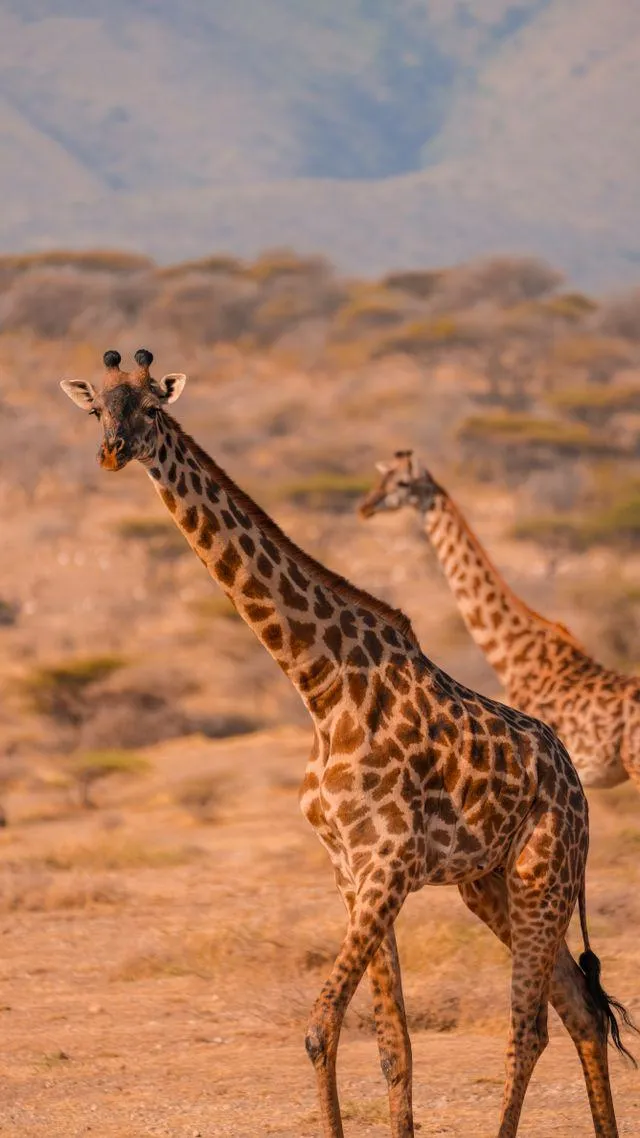
Fun fact, Aagiraffe’s tongue can stretch up to 50 centimetres.
Image: Alex Ning /Pexels
For many travellers, the ultimate African safari bucket list is incomplete without a classic sundowner silhouette: a towering giraffe framed perfectly against a burning savannah sunset.
They are the definitive symbols of luxury wilderness travel, celebrated on viral social media feeds and glossy holiday brochures. Yet, beneath that elegant, effortless exterior lies a heartbreaking reality.
As we approach World Giraffe Day on June 21, conservationists are issuing an urgent wake-up call about a "silent extinction" sweeping across the continent. Behind the stunning wildlife photography, giraffe populations have quietly plummeted by roughly 30% over the last few decades due to habitat fragmentation and human expansion.
Because these animals are so deeply embedded in our global pop-culture subconscious, many safari-goers assume they are thriving.
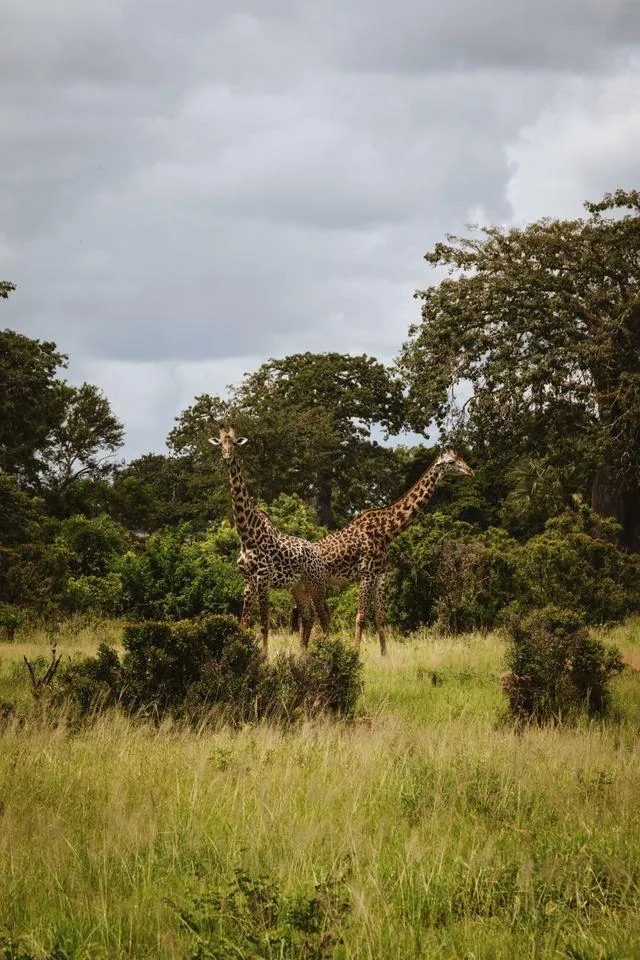
A majestic giraffe silhouetted against the vibrant African sunset, a reminder of the beauty we must protect this World Giraffe Day.
Image: Laura Meinhardt /Pexels.
According to Didi Mahlo, field guide at the Bothongo Rhino & Lion Nature Reserve, the giraffe's global fame creates a dangerous illusion of safety. Because they are so famous, people mistakenly assume their numbers are secure.
But without an urgent shift toward active conservation, we risk losing the privilege of seeing these giants roaming free in the wild, she warns.
To truly protect them, we must move past viewing them as mere safari backdrops and appreciate their jaw-dropping biology and surprisingly complex emotional lives.
Awareness alone will not save the giraffe from extinction; deliberate choice will. When we travel, our financial choices dictate which ecosystems survive.
True conservation requires supporting reserves and community projects that fund anti-poaching units, protect open migration corridors, and actively combat habitat loss.
This World Giraffe Day, we are urged not to see giraffes as just background for holiday photos. If we do, we risk losing them for good.
Only by seeing giraffes as vulnerable and intelligent animals can we make sure they remain part of Africa’s landscape.