

Prepare your home for winter with essential maintenance tips that can save you money and prevent costly repairs. Discover how to protect your property from severe weather and ensure your insurance coverage is adequate.
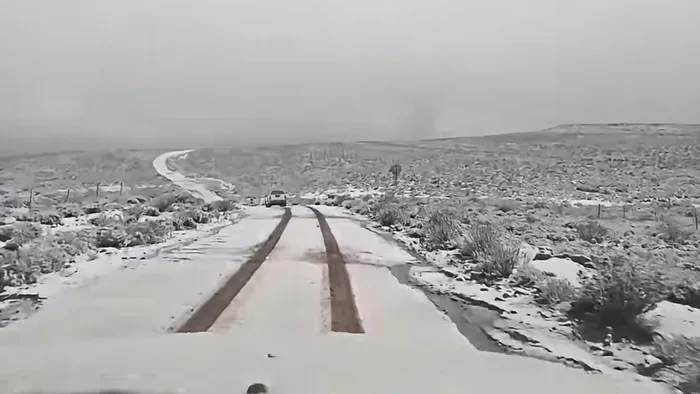
Image: Snow Report SA
Following severe winter weather across the country, including flooding, high winds, uprooted trees, and damage to homes and infrastructure, homeowners are being urged to treat seasonal property maintenance as a financial priority, not just a household chore.
The message for property owners is simple: severe weather can turn minor maintenance issues into major repair bills. A loose roof tile, blocked gutter, cracked wall, overgrown tree, or ageing geyser can become far more expensive once heavy rain and strong winds arrive.
Winter preparation protects both your home and your budget. Insurance is essential, but so is routine maintenance to reduce preventable risks before they become costly problems.
Start with the roof
Homeowners should check for missing or cracked tiles, rusted roof sheets, damaged flashing, sagging areas, holes, or signs of water pooling.
In South Africa, where many homes include older structures, flat-roof sections or extensions, it is important to inspect where rooflines meet, as these joins are often vulnerable to leaks. Garages and freestanding structures are also easy to overlook until bad weather hits.
Clear gutters and check drainage
Blocked gutters can force water back into the roof, walls, or foundations and may also send overflow onto neighbouring properties. Leaves, branches, and other debris should be cleared before and during winter, especially after storms.
Downpipes should direct water away from the home, garage, and retaining walls. If water is collecting near foundations, paving, or entrances, drainage may need attention. Poor maintenance can also create third-party risk if runoff, loose materials, or overflowing gutters damage a neighbour’s property.
Homeowners should also check for unstable doors, cracked walls, rotten timber, or damp, particularly in secondary structures such as garages and holiday homes, where deterioration can go unnoticed.
Watch for warning signs indoors
Damp patches, bubbling paint, mouldy smells, swollen skirting boards, dripping sounds, flickering lights, unexplained stains, or sudden changes in water pressure may point to deeper problems. Early action can prevent damage from spreading and may also help avoid claims complications.
Geyser leaks or bursts can cause extensive damage to ceilings, cupboards, floors, electrical systems, and household contents.
Watch for rust, dripping overflow pipes, water marks, unusual noises, inconsistent hot water, or pressure problems. Older geysers, valves, and pipes should be inspected by a qualified plumber, especially if the geyser is in the ceiling.
Heat your home safely
As temperatures drop, heaters and fireplaces begin to work overtime, so safety should remain a priority. Older appliances should be maintained, chimneys checked, and compliance requirements not overlooked. Gas installations should be compliant, and heaters that have not been used for some time should be tested carefully.
Review your insurance cover
Homeowners should review their buildings and contents cover, check that insured values are up to date, and confirm cover for storm, flood, falling tree, and water-related damage.
Some policies may also include practical emergency assistance benefits, which can be useful when urgent help is needed after a weather-related incident.
Homeowners should also understand what protection may apply if their property causes damage to someone else’s. If a neighbour’s property is damaged by your tree, gutter, or runoff, the outcome may depend on the cause and whether negligence is involved.
Poor maintenance or an ignored known risk could leave you responsible for the loss, making personal liability cover important. Underinsurance can also leave homeowners paying a large share of repair costs. It is important to understand excesses, exclusions, and maintenance obligations, as insurers may reject claims linked to long-term neglect rather than a sudden insured event.
After severe weather damage, homeowners should photograph and keep repair invoices, prevent further damage where safe to do so, and notify their insurer promptly.
Prepare before the next cold front hits. A well-maintained home, the right cover, and a clear response plan can turn a major financial blow into a manageable setback.
* Sibeko is the executive head for personal lines at Miway Insurance Limited.
PERSONAL FINANCE