Why your family visit as an expat is the perfect time to update your estate plan
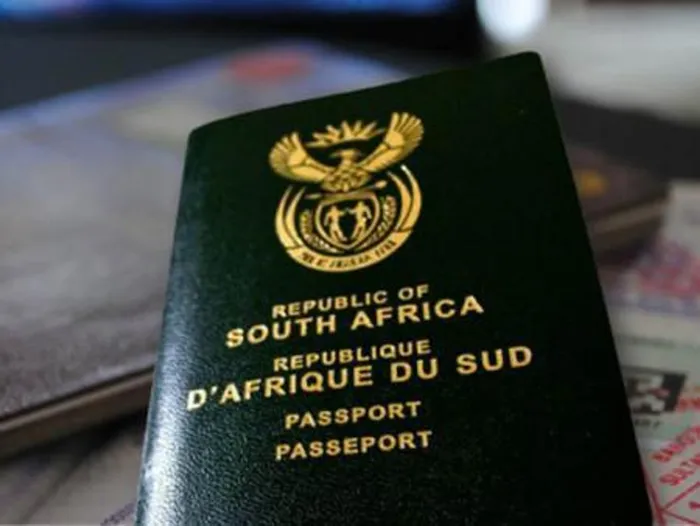
South African expats returning home for the holidays should prioritise estate planning discussions with family. With assets spread across multiple countries, outdated or inadequate wills can create legal complications for heirs. Learn why face-to-face conversations and country-specific wills are essential for protecting your global assets and ensuring your family's financial future.
Image: File pic
Expat South Africans who are returning from abroad for the festive period would do well to add estate planning to the list of things to catch up on while home with family for the holidays. Having estate planning discussions face-to-face is a good idea, and recommends making time to talk in between enjoying the South African sunshine and festive fare.
The lives of many South Africans now stretch across international borders, with family and assets spread around the globe. Consequently, we see many instances of heirs being burdened with legal complications because the family estate plan was not viewed from a global perspective.
While a single South African will can technically cover assets anywhere in the world, there are strong practical reasons to have separate wills if significant assets are held in different countries. If you’re going to be spending time together as a family over the holidays, you may want to consider consulting a professional to review the estate plan.
There is a court case that happened in the Western Cape High Court, a matter of Anderson and Another v Du Plessis N.O and Others. In 2001, a couple in Germany signed a joint will, pooling (‘massing’) their South African estates into a single joint estate and naming their children as ultimate heirs. Years later, after the husband had remarried, signed new wills overseas and built up assets in Germany, Italy, the United Kingdom, the Channel Islands and South Africa, his death triggered a dispute between his children and his second spouse over which will governed his South African estate.
The court ultimately held that the foreign joint will had to be recognised and enforced in South Africa for the relevant South African assets, despite the later wills, as the 2021 will was executed in compliance with the country in which the testator was domiciled at the time.
One family, many legal systems
A typical modern-day scenario would involve a South African who has emigrated to the UK, Portugal or Australia. This person may own a house, bank accounts and retirement funds in the new country, while still holding property or an investment portfolio in South Africa.The biggest risk this person faces is that their estate doesn’t get wound up as they intended.
The country where you are living when you die may have very different inheritance laws from South Africa, including ‘forced heirship’ rules that dictate how much must go to a spouse or children. An executor overseas may also struggle with local paperwork; there could be language barriers, and different time zones could present challenges when dealing with assets located in various countries.
Similar complexities could arise even when an individual has not formally emigrated. For example, a wife could remain in South Africa while her husband works abroad for months at a time. This could result in financial ties to multiple jurisdictions – earning income offshore, managing local assets, and navigating tax obligations across borders – without fully relinquishing South African residency.
While a South African will could, in principle, apply to a worldwide estate, this would not necessarily simplify the deceased estate administration. In practice, different courts, Master’s Offices, and tax authorities may all need to be involved.
When one will isn’t enough
We usually recommend a valid will in each jurisdiction where you own substantial assets. For example, one for your South African estate and another for your UK or European assets. These wills must be drafted very carefully, to limit each one to the assets in that specific country and so that it does not accidentally revoke the other.
Practical steps for South Africans with international lives
South Africans living abroad or dividing their time between countries, or those holding offshore investments, should take control of their estate planning by:
- Listing global assets and legal status: Itemise every country where you have bank accounts, investments, retirement funds, property, or business interests. Clarify where you are legally resident and domiciled.
- Drafting the right will/s with expert help: Work with a multi-jurisdictional estate planning specialist to decide if you need one will or more, and to ensure each will clearly state which assets and jurisdiction it covers.
- Understanding your global tax obligations: Your estate duty liability as a South African resident applies to your worldwide estate. Work with a financial adviser to get a clear picture of your total liability and to understand your foreign tax exposure.
- Planning for your family’s future income: A good estate plan provides for a surviving partner’s ongoing income, not only the transfer of assets. This can be achieved through a trust, appropriate life cover, and investments.
An act of care, not just admin
A properly drafted will, or set of wills, can spare your loved ones years of delays and possible conflict, and ensure that the wealth you’ve worked so hard to build, both in South Africa and abroad, supports the people and causes you care about. The festive season could be a good time to reflect, discuss, and set out your wishes in black and white.
* Thomson is a CFP® and senior legal adviser at Sanlam Trust.
PERSONAL FINANCE