

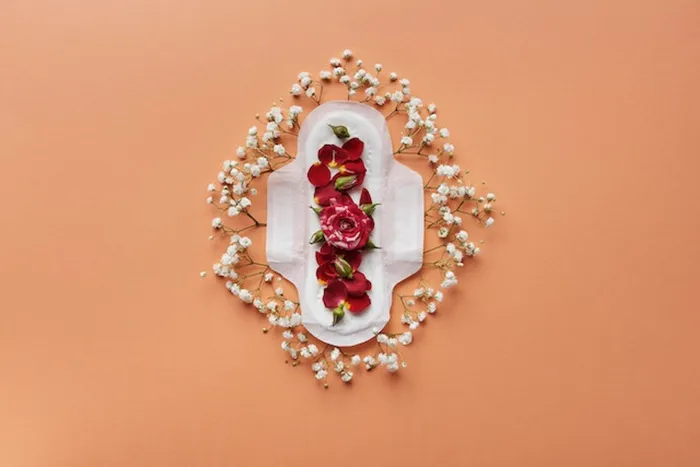
There appears to be little awareness of how and what type of assistance young girls require in order to better understand their bodies and periods.
Image: File/Pexels
The onset of a young girl’s first period represents a major life milestone, serving as a powerful and natural indicator of her health, growth, and inherent resilience.
Yet, rather than receiving celebratory support and clear guidance, many girls experience this transition through a lens of anxiety, confusion, and socially conditioned shame.
Guiding a girl through her menstrual journey is a shared human obligation, far transcending the notion of a private "women's issue".
A shift in the narrative occurs when the entire community takes part: when fathers normalise the purchase of period products, when educators provide hygienic and accessible school facilities, when boys are taught the underlying science to prevent mockery, and when society actively works to dismantle the stigma associated with period poverty.
Mother-of-two, Lucia Mangena, shared her approach to supporting her child: "I wanted my daughter to avoid the sense of shame I experienced as a youth when her menstruation began. To celebrate this milestone, I prepared a 'welcome to womanhood' gift set featuring various menstrual items, snacks, and reading material. My goal was for her to view her body with pride rather than concealment."
Vusi Dlomo, who is raising a 14-year-old daughter, noted that he initially felt uncertain when she first requested menstrual pads.
He explained that his perspective shifted once he compared the task to buying any other everyday item: "I realised that if I could purchase snacks and sweets, I was more than capable of buying period products. This change in mindset made the process feel normal for both of us, and it has since become a standard part of our grocery shopping."
Seventeen-year-old Busisiwe Zwide expressed a desire for greater empathy regarding menstrual pain: "I just wish people understood that I'm not being dramatic when I have cramps. It really hurts, and sometimes I just need a heating pad, some understanding, and not to be told I'm overreacting."
"I recall my Life Orientation teacher in high school carrying sanitary pads every day," noted 24-year-old university student Mpumi Mbongo, "to support students whose periods began unexpectedly during class." According to her, this gesture was a clear demonstration of significant compassion and solidarity.
Lillian Mbatha, who is raising a 15-year-old, reflected on the cultural shift she is leading: "In my youth, we were conditioned to hide menstrual pads as if they were illegal items. I am determined to protect my daughter from that inherited shame. In our home, we discuss menstruation openly at the dinner table, treating it with the same normalcy as academic progress or our plans for the weekend."
The "what" and "why"
The reality
The emotional and mental toll
The diversity of products
People need to know that there isn't a one-size-fits-all solution. A girl needs to know her options so she can choose what makes her feel safe and comfortable:
The father’s role
School and teachers
Boys and male peers
By transforming how we talk about and handle menstruation, we do more than just manage a biological event. We hand a young girl the keys to her own dignity, body positivity, and lifelong confidence.
It takes an entire village to raise a child, and it takes an empathetic, informed community to ensure that no girl ever feels alone, embarrassed, or limited by her own body.
We need to wash away the shame surrounding periods. It is a natural biological process, and no girl should ever feel hidden, dirty, or lesser because of it.
IOL NEWS