

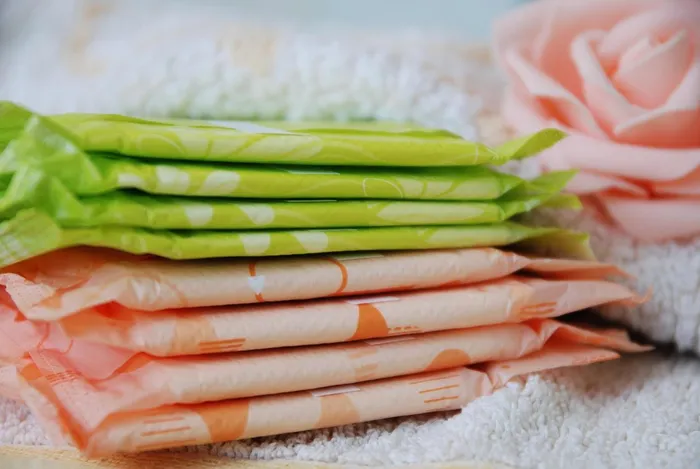
The I_Menstruate Movement continues its advocacy for legislative change, urging Parliament and the government to formally recognise menstrual health as a core human right.
Image: File
Last week, in observance of Menstrual Hygiene Day, activists put the spotlight on the persistent issue of period poverty and the barriers women and girls encounter when trying to obtain sanitary products.
Menstruation continues to be a monthly battle tied to health, education, and dignity for numerous students and women without employment.
The I_Menstruate Movement continues its advocacy for legislative change, urging Parliament and the government to formally recognise menstrual health as a core human right. To achieve this, the movement is calling for the enactment of the proposed Menstrual Health Equity Bill.
According to the movement, period poverty extends beyond the simple lack of menstrual products. It focuses on several systemic issues, including:
In a bid to tackle the root causes of period poverty, the proposed Menstrual Health Equity Bill aims to establish a mandatory, rights-centred framework.
This legislation would apply to a wide array of environments, including educational institutions, workplaces, medical facilities, correctional centres, and residential areas such as informal settlements and rural villages, ensuring coverage in both the public and private sectors.
Ensuring child protection requires providing every learner who menstruates with a dignified learning environment, which includes access to menstrual health education, safe sanitation, healthcare support, and proper nutrition. No learner should ever be subjected to bullying, shame, or educational disruption simply due to menstruation.
The Chairperson of the Commission for Gender Equality, Adv. Nthabiseng Sepenya-Mogale, said: "Period poverty is not only a material deprivation but also, in part, a form of structural violence that continues to reproduce inequality in everyday life”.
Key provisions included within the proposed legislation cover the distribution of menstrual products at no cost, access to mental health and menstrual wellness services and the elimination of taxation on all period-related items.
The movement advocates for sustainable, systemic, and intersectional remedies for period poverty and persists in its appeal to all sectors of society, including Parliament, government departments, educational bodies, employers, unions, and civil society. It remains dedicated to achieving legal recognition for menstrual health as a core human right.
IOL