

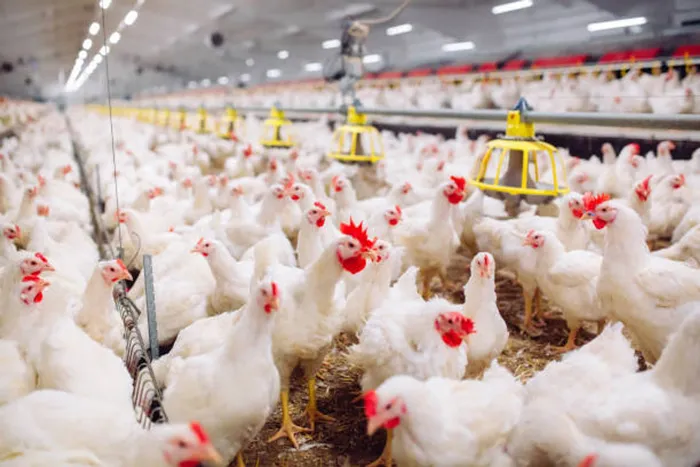
Agriculture Minister John Steenhuisen announces a major policy shift allowing the use of vaccination to combat highly pathogenic avian influenza.
Image: File
South Africa’s poultry industry is set for a major regulatory shift after Agriculture Minister John Steenhuisen moved to amend the country’s animal disease framework to allow the use of vaccinations against highly pathogenic avian influenza (HPAI), in what government describes as a break from an “outdated” disease control model.
The Ministry of Agriculture confirmed that Steenhuisen has intervened by amending the Animal Diseases Regulations (R.2026 of 1986), paving the way for the introduction of HPAI vaccinations as part of a broader disease control strategy aimed at protecting poultry producers from repeated outbreaks and large-scale losses.
The decision follows a formal objection by the South African Poultry Association (SAPA), which cited what it described as a breakdown in the department’s Directorate: Animal Health and a lack of practical or affordable responses to recurring bird flu outbreaks.
SAPA argued that producers had been left “stuck in an outdated system that forced the mass culling of birds, leaving them without any modern legal tools to protect their flocks.”
Steenhuisen said the regulatory overhaul is intended to restore balance between disease control and economic sustainability in the sector.
“Our poultry farmers need direct support, and we are changing policy to give them a legal mechanism to protect their livelihoods,” the minister said.
“The old regulations forced the industry to destroy flocks unnecessarily, which harmed agricultural businesses and raised food prices for consumers. By changing this policy, we are giving producers the legal right to use verified scientific tools to protect their farms, protect agricultural jobs, and secure affordable food for the public.”
According to the ministry, the reform will introduce a formal HPAI Vaccination Framework under the Animal Diseases Act of 1984, shifting the country away from a strict “stamping-out” approach, which previously required the destruction of both healthy and infected birds during outbreaks.
The department said the new system will combine vaccination, biosecurity and testing, reducing reliance on mass culling and aiming to limit financial losses across both commercial and small-scale farming operations.
Under the revised approach, the state will also maintain a stronger surveillance and enforcement role.
“The department’s role will be to set up and run national surveillance systems for HPAI, laboratory testing, and ensuring that farming entities adhere to regulations when there are outbreaks on their farms,” the ministry said.
Officials added that the department will also be responsible for maintaining international trade compliance to safeguard export market access, a key concern for the poultry industry.
To ensure a smooth transition, Steenhuisen has instructed the department to implement interim control measures while the policy shift is formalised through statutory instruments, including the publication of a government gazette notice.
The ministry said the reforms are intended to resolve “administrative deadlock” and create a clearer legal framework for managing avian influenza outbreaks going forward.
IOL News