

As tensions rise in the Middle East, global markets are feeling the strain. Read more to find out how stock markets, oil prices, and the South African rand are responding to the latest developments.
Image: ISNA / AFP
Over the weekend, tensions in the Middle East escalated as military strikes from both Iran and the United States sent ripples of uncertainty through global markets.
Bianca Botes, Managing Director at Citadel Global said that as these two nations continue to exchange threats and military action, investors are left grappling with the implications on oil supply and financial stability.
US futures opened in the red this morning, reflecting a stark turn following Friday's positive close on Wall Street.
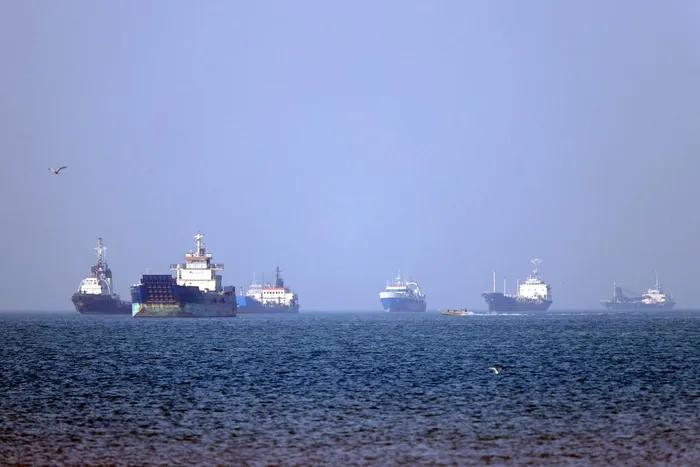
"This downturn can be attributed to rising tensions and the ominous threats regarding a potential closure of the Strait of Hormuz, a critical pathway for global oil transport that heightens the stakes for international trade and economic stability," Botes said.
In Asia, market reactions were equally pessimistic.
The Korea Composite Stock Price Index was notably volatile, plunging by 5% in early trading as tech stocks—vulnerable to global supply chain disruptions—were hit particularly hard.
"This lack of investor confidence aligns with the growing concern over an already unstable region, with implications that extend far beyond the immediate military engagements.
The energy markets have been particularly impacted, with Brent crude oil prices rising by 4% to $79 per barrel.
This sharp increase underscores how the ongoing conflict threatens to disrupt oil supplies once again, contributing to inflationary pressures and economic uncertainty across not just the Middle East, but globally.
Conversely, gold prices dipped by 1.5% to $4,059 per ounce, a typical response as investors recalibrate their risk assessments amid geopolitical strife.
Interestingly, despite the surrounding chaos, the South African rand has demonstrated unexpected resilience, trading at R16.39 against the dollar, R18.69 against the euro, and R21.93 against the British pound.
Analysts are watching this development closely, as a stable currency amidst risk-off sentiment could be a signal of larger economic implications.
As we begin the week, there is no major economic data anticipated, but market participants are urged to stay vigilant, especially regarding the evolving situation in Iran.
The confluence of military actions and financial markets invites a careful appraisal of global risk, and the next steps taken by Iran and the US could ultimately serve as a bellwether for broader economic trends.
Follow Business Report on Facebook, X and on LinkedIn for the latest Business and tech news.