

Oil prices continue to retreat as diplomatic progress between the US and Iran calms markets, but weak manufacturing data highlights ongoing challenges for the South African economy.
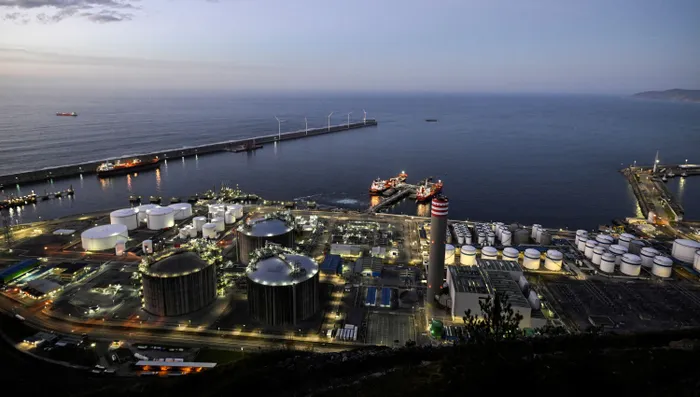
Image: Ander Gillenea / AFP
Oil prices have fallen to their lowest levels in four months as easing tensions in the Middle East continue to reduce fears of supply disruptions, offering a measure of relief for inflation weary consumers and businesses across the globe.
Brent crude traded at $70.68 a barrel early on Thursday morning, extending losses after falling nearly 2% during the previous trading session.
The decline comes as diplomatic progress between the United States and Iran improves market sentiment and reduces concerns over disruptions to global oil supplies through the Strait of Hormuz.
The softer oil price marks a dramatic reversal from the spike seen during the recent conflict, with prices now trading below levels recorded before tensions escalated.
According to Anchor Capital, the market has quickly priced in the prospect of lasting peace despite some lingering concerns.
"Brent is now approaching $70 per barrel, a level not seen since well before the Iran conflict began. The oil market is pricing a clean peace at a speed that shipping experts have cautioned may be premature given Hormuz mines," the report noted.
The latest US Energy Information Administration data showed crude inventories fell by 3.78 million barrels, normally a supportive factor for prices. However, the impact was outweighed by growing optimism surrounding diplomatic negotiations between Washington and Tehran.
Neil Wilson, Investor Strategist at Saxo UK, said markets have responded positively to reports of improving shipping conditions through one of the world's most important oil transit routes.
"Oil prices slid again with Brent taking a $70 handle as Qatar reported progress on shipping in the Strait of Hormuz," Wilson said.
The weaker oil price could prove positive for inflation, particularly after months of elevated energy costs filtered through to transport, logistics and food prices worldwide.
Lower crude prices also improve the outlook for fuel prices, potentially offering additional relief for consumers following South Africa's fuel price reductions that took effect this week.
While oil has weakened, gold has moved in the opposite direction as softer United States economic data renewed expectations that inflationary pressures may be easing.
Anchor Capital reported that gold rose 0.7% to $4,035.23 an ounce on Wednesday before climbing further to $4,064.74 during Thursday morning trade.
The precious metal found support after softer United States jobs data and comments from Federal Reserve Chair Kevin Warsh eased some inflation concerns.
Despite lower energy prices, investors remain focused on the path of United States interest rates.
Wilson said markets may be underestimating the likelihood of further monetary tightening.
"The jobs data will help guide market pricing for US rates in light of the newly hawkish FOMC," Wilson said.
He added that Warsh had reaffirmed the Federal Reserve's commitment to restoring price stability.
"He said that the FOMC will have a good family fight at the July FOMC meeting. I see two hikes this year and the market is underpricing the chances of a hike this month. July is live."
While global markets welcomed lower oil prices, South Africa's domestic economy received less encouraging news after fresh manufacturing data pointed to renewed weakness.
The Absa Manufacturing Purchasing Managers' Index fell back into contraction territory during June, declining to 47.3 from 50.8 in May. Any reading below 50 signals contraction in manufacturing activity.
Bianca Botes, Managing Director at Citadel Global said, "Investors are now eagerly anticipating the upcoming Consumer Price Index (CPI) report for further confirmation, with gold currently trading at $4,066 an ounce. However, significant attention remains on the Non-Farm Payrolls Report. Last month's unexpectedly strong figures jolted the markets, raising the stakes for another robust reading that could empower the Federal Reserve to consider further rate hikes if inflation demands such action, potentially driving the dollar higher."
Anchor Capital said the weaker reading reflected softer demand and lingering geopolitical uncertainty.
"South Africa's ABSA manufacturing PMI fell back into contraction at 47.3 in June, reversing the prior month's return to expansion and signalling that domestic industry is still under pressure," the report said.
The weaker manufacturing data weighed on local financial markets, with the JSE All Share Index falling 0.6% as banking shares led declines. South32 stood out as the strongest performer, rising 11.3% after confirming its multibillion dollar deal with Alcoa.
The rand also came under pressure following the PMI release before recovering slightly as weaker United States economic data softened the dollar. Early Thursday, the currency traded at R16.39 against the dollar.
Global equity markets delivered a mixed performance as investors continued rotating away from semiconductor stocks while rewarding technology companies demonstrating clearer returns from artificial intelligence investments.
Wilson said enthusiasm for artificial intelligence infrastructure spending has become increasingly selective.
"Meta flipped the monetisation switch and shares leapt, evidence that investors are wary of high spending and no payback," he said.
"The implication also had a negative read through across the semiconductor and hardware space."
Although lower oil prices offer a positive backdrop for inflation and fuel costs, analysts caution that geopolitical risks have not disappeared entirely.
For South African consumers and businesses, however, Brent crude's retreat towards $70 a barrel provides a welcome opportunity for easing transport and logistics costs after months of elevated fuel prices, even as the domestic economy continues to navigate slowing manufacturing activity and broader global uncertainty.
Follow Business Report on Facebook, X and on LinkedIn for the latest Business and tech news.