

Global markets started the week cautiously as renewed US Iran tensions, falling oil prices and concerns over artificial intelligence spending shaped investor sentiment.
Image: CN-STR / AFP
Global markets entered the new week on a cautious footing as investors balanced renewed uncertainty around the US Iran peace process, easing oil prices and growing concerns about the sustainability of artificial intelligence investment.
The latest market movements come after a volatile period in which geopolitical developments drove sharp moves across commodities, currencies and equities, with investors now turning their attention towards inflation trends and central bank policy.
Bianca Botes, Managing Director at Citadel Global, said markets started the week cautiously after the United States and Iran exchanged fire over the weekend, marking the most significant escalation since peace talks between the two countries began.
“On Sunday, however, the US agreed to return to diplomacy, bringing some relief,” Botes said.
Asian markets reflected investor concerns, with the South Korean KOSPI falling 2% while the MSCI Asia Pacific index excluding Japan declined 0.4%. US futures moved higher in early trading, signalling some recovery in sentiment.
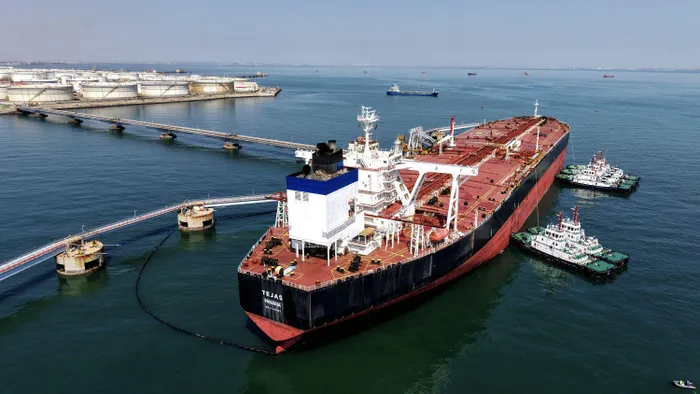
Oil markets remain closely watched as traders assess the impact of the fragile ceasefire and the return of supply flows.
Brent crude was trading around $72 a barrel on Monday after moving towards the $70 level last week, as concerns over renewed conflict provided some support to prices.
Neil Wilson, Saxo UK Investor Strategist, said oil markets have shifted from a period of tight supply concerns into a new phase where increased availability is weighing on prices.
“Oil futures flipped from backwardation to contango last week, which reflects short term oversupply from the steady stream of stranded barrels returning to the market, improving prompt availability and pushing front month futures below the price of barrels further out the curve,” Wilson said.
However, he added that oil prices still have support because global inventories need to be rebuilt after falling to historically low levels.
“The market will need to rebuild inventories, which have fallen to historically low levels,” Wilson said.
The easing in oil prices has helped reduce some inflation concerns, but investors are increasingly focused on other drivers of price pressures, particularly technology investment and rising costs linked to artificial intelligence infrastructure.
Wilson said the market has become more selective on AI spending following a sharp decline in technology shares.
“It’s been a tough one for tech stocks with the S&P 500 down 2% and Nasdaq down 4.6% last week, with Nvidia and Alphabet each more than 8% lower,” he said.
SpaceX also experienced volatility after its market debut, with shares falling 17% during the recent pullback before recovering slightly after Nasdaq announced the company would be fast tracked for inclusion in the Nasdaq 100.
“The Nasdaq has suffered a roughly 6% decline for the month of June,” Wilson said, adding that investors are questioning whether the scale of AI investment can continue.
Part of the pressure comes from concerns about whether the current level of spending on AI infrastructure can deliver sustainable returns.
“The bulls are looking very tired and there are clearly questions about the sustainability frontier of AI spending and the durability of the investment thesis,” Wilson said.
Despite falling oil prices, inflation remains a concern for central banks. Wilson said investors are adjusting to a Federal Reserve that may be more willing to act against rising prices under new chair Kevin Warsh.
“Headline inflation last week hit 4.1%, the highest since April 2023, while core inflation hit 3.4%, the highest since October 2023,” Wilson said.
He added that markets are now pricing in a higher possibility of interest rate action from the Federal Reserve, with current pricing suggesting a 30% chance of a rate increase next month.
“The Fed is not going to provide the support it has in the past and hold investors’ hands,” Wilson said.
Closer to home, the rand remained relatively stable, trading at around R16.47 against the US dollar, R18.75 against the euro and R21.74 against the pound.
Gold came under pressure after recovering late last week, declining 0.5% to trade around $4,066 an ounce as investors reduced demand for safe haven assets.
While geopolitical tensions continue to influence markets, analysts said the focus is increasingly moving towards inflation, interest rates and whether global growth can withstand tighter financial conditions.
For investors, the coming weeks will be shaped by whether diplomatic progress between the US and Iran continues, how quickly oil markets normalise and whether central banks maintain a tougher approach towards inflation.
Follow Business Report on Facebook, X and on LinkedIn for the latest Business and tech news.