

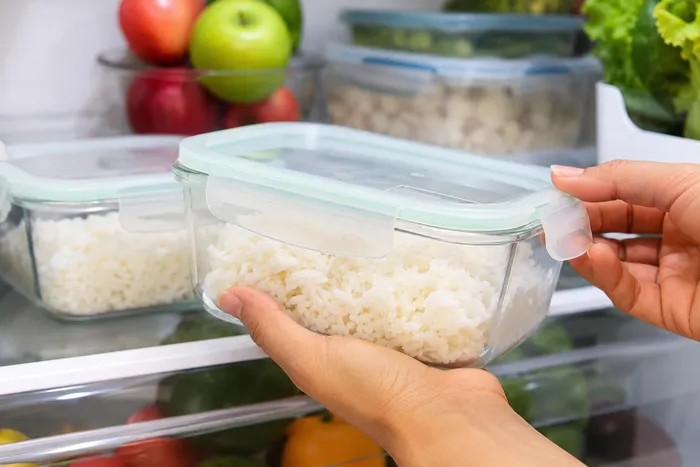
If cooked rice is not stored correctly, it can become a breeding ground for bacteria that may cause food poisoning.
Image: AI ChatGPT
Cooked rice is one of the handiest leftovers to have in the kitchen.
Whether you're meal-prepping for the week, freezing portions for busy evenings, or simply saving what wasn't eaten at dinner, rice can make future meals quicker and more affordable.
But while rice is often seen as a low-risk food, food safety experts say it deserves more attention than many people realise.
If cooked rice is not stored correctly, it can become a breeding ground for bacteria that may cause food poisoning.
Many people assume that once rice has been cooked, any harmful bacteria have been eliminated. Unfortunately, that is not always the case.
Uncooked rice can contain spores of a bacterium called Bacillus cereus.
These spores can survive the cooking process and remain in the rice. If the cooked rice is left at room temperature for too long, the spores can grow into bacteria that produce toxins.
Those toxins can cause unpleasant symptoms such as nausea, vomiting, stomach cramps and diarrhoea.
What makes the situation more concerning is that reheating the rice may kill the bacteria, but it will not necessarily destroy the toxins they have already produced.
The most common mistake is leaving cooked rice on the kitchen counter for hours before refrigerating it.
After cooking, rice should be cooled as quickly as possible.
Rather than leaving it in a large pot, transfer it to shallow containers where heat can escape more easily. Once it has stopped steaming heavily, place it in the fridge.
Food safety guidance generally recommends refrigerating cooked rice within two hours of cooking. During particularly hot weather, it is best to refrigerate it even sooner.
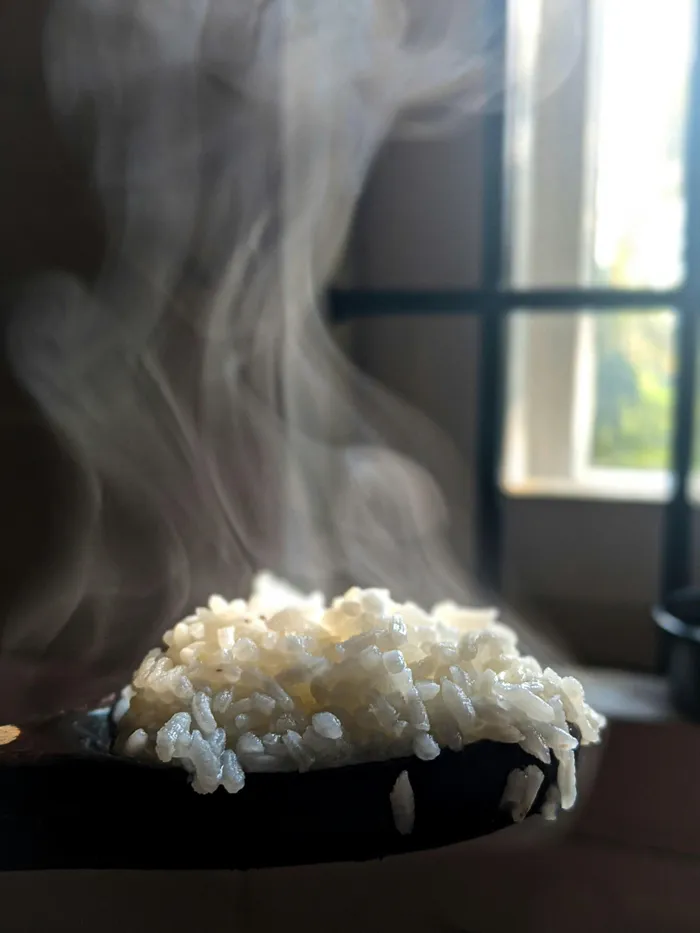
The most common mistake is leaving cooked rice on the kitchen counter for hours before refrigerating it.
Image: Faris Mohammed / Unsplash
Stored in an airtight container, cooked rice can usually be kept safely in the refrigerator for three to four days.
If you are unsure when the rice was cooked, it is better to throw it away than take the risk. Unlike some foods, spoiled rice does not always give obvious warning signs.
Planning ahead can help prevent waste. If you know you will not use the rice within a few days, freezing it is often the safest option.
Freezing cooked rice is not only safe but also a practical way to make future meals easier.
Allow the rice to cool, divide it into portions and store it in freezer-safe containers or bags. This makes it easy to thaw only what you need.
Frozen rice works well in stir-fries, curries, stews and lunchbox meals. It can be reheated directly from frozen or thawed overnight in the refrigerator before use.
When reheating rice, make sure it is steaming hot all the way through before serving.
Experts generally advise reheating rice only once. Repeated cycles of cooling and reheating increase the chances of bacterial growth and can compromise food safety.
If there is rice left over after reheating, it is best to discard it rather than save it for another day.
One of the biggest misconceptions about food safety is that spoiled food will always smell bad.
Rice contaminated with harmful toxins may still look, smell and taste perfectly normal. That means your senses are not always a reliable way to judge whether it is safe to eat.
If you cannot remember how long the rice sat out on the counter, or if it has been sitting in the fridge for longer than recommended, it is safest to throw it away.
Leftover rice can be a valuable kitchen shortcut, helping you save both time and money. The key is making sure it is cooled quickly, stored correctly and reheated properly.
A few simple precautions can help ensure that your convenient leftover becomes tomorrow's easy meal rather than tomorrow's stomachache.
IOL Lifestyle