

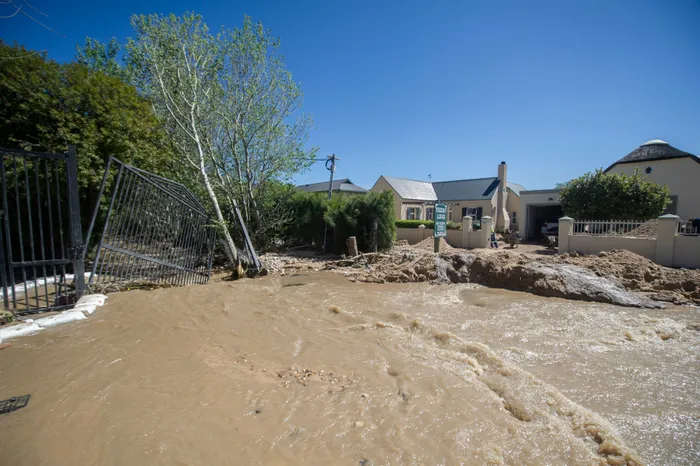
South Africa's recent floods have highlighted the urgent need for SMEs to access fast capital for recovery. As communities rebuild, the ability of small businesses to respond swiftly is crucial for economic resilience.
Image: Armand Hough / Independent Newspapers.
South Africa’s recent floods have reminded us that extreme weather is becoming a part of the operating environment.
But the human cost must always come first. When floods move through communities, they leave behind damaged homes, unsafe roads, disrupted schools, and families facing losses that go far beyond property.
But once the immediate danger has passed, another test begins: whether the businesses needed for recovery have the working capital to respond.
After severe weather, demand often rises sharply for local contractors, repair businesses, plumbers, electricians, cleaning companies, logistics providers, building material suppliers, equipment hire firms, and transport operators.
They are the businesses called when water needs to be pumped out, roofs repaired, stock replaced, drainage cleared, roads made passable, and sites reopened.
Many of these businesses are SMEs. They may have the skills, local knowledge, teams, and supplier relationships to respond quickly, but very few small businesses can keep cash available for a disruption they cannot predict.
Recovery work requires cash long before payment arrives. An SME may need to pay staff, source materials, fuel vehicles, rent equipment, or place deposits with subcontractors while the work is still being mobilised. In some cases, the business is also recovering from the disruption itself, even as it is being asked to help customers, communities, or larger contractors get back on their feet.
Large companies often have reserves, insurance facilities, established credit lines, and supplier terms that allow them to absorb disruption. Smaller businesses usually have far less room to manoeuvre, so when money is delayed, the work that depends on it can slow down very quickly.
For SMEs in affected areas, this kind of disruption is no longer just a weather story. It becomes part of the operating reality. A changed delivery route, an inaccessible site, a supplier unable to dispatch, or a customer whose operations have been disrupted can all put pressure on delivery. One delay can quickly spread through the chain.
That is why we need to expand our thinking about resilience. Resilience is not only municipal drainage, emergency response, insurance, or infrastructure repair, although all of those are critical. It is also whether the SME layer of the economy has access to funding that can move quickly enough when conditions change.
For many small businesses, traditional lending is not designed for this. The need is often transaction-specific, urgent, and linked to confirmed work. The business does not necessarily need long-term debt. It needs capital aligned to delivery.
This is where transaction-level funding becomes relevant. At ProfitShare Partners, we structure funding around verified purchase orders, contracts, and invoices so SMEs can execute specific work without waiting for slow payment cycles to catch up. The principle is simple: if the work is confirmed, the buyer is credible, and the numbers make sense, capital should be structured around the transaction.
This is not about encouraging businesses to take on unnecessary debt. It is about ensuring viable SMEs are not excluded from recovery work because they cannot bridge the timing gap between mobilisation and payment. We do not need every SME to become a climate expert. But what we do need are more SMEs planning for volatility as part of normal business.
That means understanding which contracts require upfront capital, which suppliers need deposits, where payment delays are most likely, and how quickly funding can be accessed if demand spikes.
For larger buyers, municipalities, corporates, and development institutions, the lesson is just as important. If SMEs are expected to play a role in recovery and resilience, their funding needs cannot be treated as an afterthought.
South Africa’s SME sector is often praised for its resilience. That praise is deserved, but resilience should not mean asking small businesses to absorb every shock alone. If extreme weather is becoming part of the operating environment, then faster, more flexible working capital must become part of our resilience planning.
The real test after the storm is not only how quickly we rebuild. It is whether the businesses closest to the work have the capital to begin.
Andrew Maren, Founder and CEO of ProfitShare Partners.
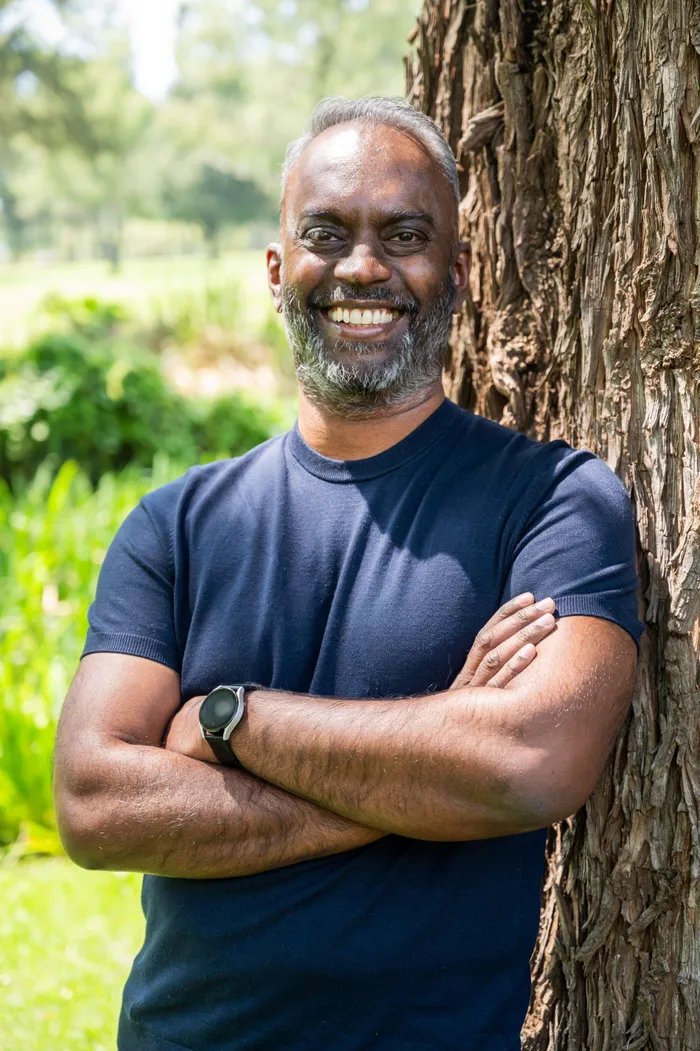
Andrew Maren, Founder and CEO of ProfitShare Partners.
Image: Supplied.
Follow Business Report on Facebook, X and on LinkedIn for the latest Business and tech news.