

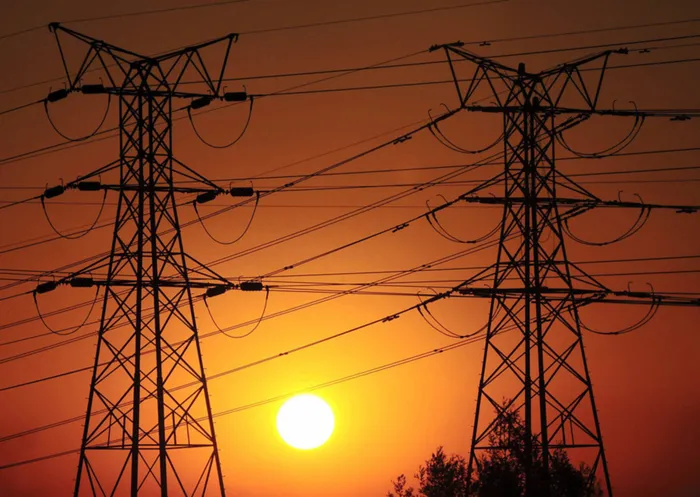
Nearly three quarters of South African SMEs say improved electricity reliability boosted their operations, while festive season trading delivered little financial relief.
Image: File
Improved electricity reliability has emerged as one of the biggest drivers of small business recovery in South Africa, with nearly three quarters of SMEs reporting better business performance as a result of reduced load shedding, according to the latest SME Confidence Index released by Business Partners Limited.
The findings come despite a relatively muted festive trading season, which failed to deliver the expected financial boost for many small and medium enterprises.
According to the fourth quarter 2025 survey, 46.5% of SMEs said seasonal trading periods such as Black Friday and the festive season had no significant impact on their business performance, while a further 8.1% reported a negative effect.
This is despite Statistics South Africa reporting retail sales of R117.9 billion in November 2025, representing a 3.6% increase compared with the previous year.
Jeremy Lang, managing director of Business Partners Limited, said the findings highlight how seasonal spending benefits are not evenly shared across the SME sector.
"While seasonal trading periods such as Black Friday and the festive season provide a boost for some South African small businesses, their impact is more modest and uneven than one might think," said Lang.
"The findings of our quarter four index suggest that seasonal demand alone is not a guaranteed driver of meaningful performance and financial gain for SMEs, particularly in the context of constrained consumer spending and rising operating costs."
While festive spending delivered mixed results, the survey found that improvements in electricity supply had a far more consistent and positive impact on business operations.
When asked how reduced load shedding affected their businesses, 73.4% of respondents reported improvements.
"The significant reduction in load shedding during 2025 enabled more predictable operating hours, reduced reliance on costly backup power, and supported improved productivity," said Lang.
"For many businesses, energy stability has shifted from a short term crisis management concern to a foundation for operational recovery and forward planning."
The survey suggests that structural improvements in critical infrastructure are proving more valuable to SMEs than short term spikes in consumer spending.
"While festive demand remains relevant, businesses need a stable operating environment to unlock growth and manage costs effectively," Lang said.
The report also revealed a rebound in business confidence during the final quarter of 2025 following a weaker third quarter.
Confidence that businesses would grow over the next year increased to 81%, up two percentage points from the previous quarter, although still three percentage points lower than a year earlier.
Confidence that the South African economy would create a favourable environment for business growth rose more sharply to 69%, representing a five percentage point increase from the third quarter and remaining unchanged compared with the previous year.
Access to finance also showed signs of improvement, with confidence increasing to 65%. Confidence in finding suitably skilled employees climbed to 73%, reflecting gains both quarter on quarter and year on year.
Other indicators remained relatively stable. Confidence that labour laws support business growth edged up to 59%, while confidence in government support for SMEs slipped slightly to 47%.
One of the more encouraging developments was improved payment behaviour among customers. Confidence that clients would pay invoices within agreed timeframes rose by five percentage points to 73%, easing some of the cash flow pressures experienced by businesses earlier in the year.
The survey also highlighted the growing importance SMEs place on support mechanisms to drive growth.
The importance of access to finance increased to 87%, while access to SME specific information also reached 87%. Mentorship emerged as another critical requirement, with 86% of respondents highlighting its importance in helping businesses navigate an increasingly challenging operating environment.
Confidence in private sector support increased marginally to 55%, although it remained slightly lower than levels recorded a year ago.
Despite improving sentiment, SMEs continue to face several significant obstacles, including cash flow constraints, difficult economic conditions and high levels of crime.
Lang said the latest results present a cautiously optimistic picture for the sector.
"Overall, the data presents a balanced picture," he said.
"SMEs are still under pressure, particularly as seasonal trading did not deliver the uplift many would have been hoping for. However, there are clear signs that greater stability, particularly in critical infrastructure like electricity, is helping to unlock renewed optimism and lay the groundwork for more sustainable growth in 2026."
Follow Business Report on Facebook, X and on LinkedIn for the latest Business and tech news.