

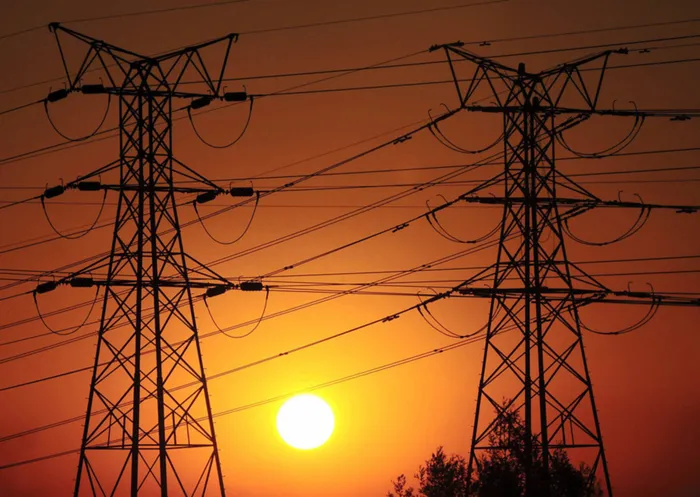
As part of a response to these concerns, in May 2026 the City of Johannesburg and the German state-owned development bank Kreditanstalt für Wiederaufbau (KfW) announced an agreement on a R3.8 billion (over US$230 million) concessional loan to help fix the city’s electricity utility, City Power.
Image: File
The emboldened “coal at all costs” narrative has resurfaced to once again conflate the complex issues of energy, climate change and development, and broad narratives that informs the just energy transition and broader energy sector reforms in South Africa.
This was loud and clear at the recently held Coal & Energy Transition Day in Johannesburg
The world is changing and external and internal pressures and opportunities to realise an energy transition are mounting. Numerous factors influence this new tempo and bandwidth but primarily it is the ensuing geopolitical crisis and the global energy outlook, and domestically, the resolution of the load shedding crisis that was part of our lives in the recent years.
Historically, South Africa’s energy sector has been dominated by coal with Eskom as the main broker retaining a monopoly over the sector.
But, with financial and operational crises coupled with the imperatives of realising an energy transition away from fossil fuels, tensions have surfaced across various spheres with various arguments on the future of coal.
These renewed narratives remain focused on various technologies, from nuclear, gas, renewables mainly solar and wind, and green hydrogen as well as coal.
What is encouraging in our “loud democracy” debate regarding renewable energy, climate change and fossil fuels is that citizens are engaged and concerned.
However, in the contrast Mis(dis)information, narrative manipulation and dangerous rhetoric often show up in different areas of these conversations, sometimes highlighting the very deep levels of the vested interests.
This suggests that conversations related to South Africa’s energy security and climate future are important concerns for South Africans. The central question is not whether the energy system will change, but whether that change will be planned, financed and socially managed — or disorderly, expensive and unjust.
First is the role that fossil fuels play in the threats posed by climate change. Renewables have the potential to significantly reduce GHG emissions by replacing generation technologies such as coal.
This is essentially transitioning from one energy value chain to another. Complexities related to financing, policy, regulation, political will, jobs, local economies and other socio-economic issues are crucial to consider.
Conversely, others believe that renewables are a foregone idea that seeks to limit South Africa’s development, and Africa at large.
This is cited often especially when considering that the west developed its nations with fossil fuels, and in recent years have ramped up some their coal fired powered stations
The second argument for coal has nothing to do with coal – but the issue of loadshedding and its implications.
Whilst decarbonisation has been flagged, the real problem was created as result of the operational crisis of existing coal plants.
These included of unplanned breakdowns, inadequate generation capacity, mismanagement and corruption, deliberate sabotages of criminal nature, a long history of political interference hindering maintenance of certain plants, and the very real inevitability (which has actually already happened) of plants reaching their economic lifespan, as it happened with the decommissioning of the Komati Power Station in Mpumalanga
Third is the conversation related to the energy transition.
This is the moving away from fossil fuels towards renewable sources of energy generation. This matter includes climate/green finance, policy and regulatory hindrances that suppress the building of renewable power plants, structuring and implementing a truly just transition that leaves no one behind, and much more.
We must honestly and genuinely delve into the complexities associated with coal and renewables within the broader energy transition conversation in South Africa. The discussion about coal should be about its role in a just, evidence-based and people-centred transition, and not the artificial false choice between energy security and climate action.
Responsibilities are shared but differentiated.
The PCC’s value is this discourse is to connect it to public-interest outcomes which is reliable and affordable energy, credible emissions reduction, worker and community protection, economic diversification, environmental rehabilitation, and local industrial development.
Companies must meet labour, environmental, closure and rehabilitation obligations. Government must provide enabling policy, public services and social protection.
Developed-country partners should provide additional, high-quality climate finance. Private investors should price transition risk responsibly and support inclusive outcomes rather than externalising costs.
Does the current situation justify the narrative of a new lease of life for coal. While coal is still central to South Africa’s economy and energy supply, the long-term sustainability of coal faces challenges from depleting reserves, environmental pressures, and the global push toward cleaner energy sources.
We have an opportunity to embed just transition principles in the context of the current coal debates and to entrench best practices in the system that will enable justice across the sector. But an approach of this manner requires leadership and political will from all affected stakeholders
What we need is to transcend the narrow resources discussion and dissect it into the political, social, economic and broader discourse on our development paradigm, encompassing deeper conversations on energy generation, climate change mitigation, energy security, IPP procurement process, primary energy costs, future and sustainability of the national power utility, and more.
Blessing Manale, Executive Manager, Communications and Consensus Building.
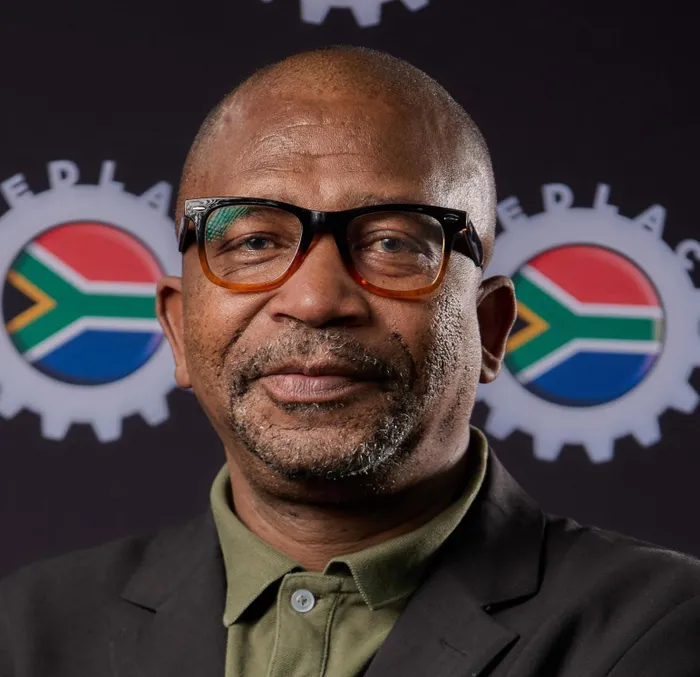
Blessing Manale is the executive manager: consensus building, communications and outreach at the Presidential Climate Commission.
Image: Supplied.
Follow Business Report on Facebook, X and on LinkedIn for the latest Business and tech news.