

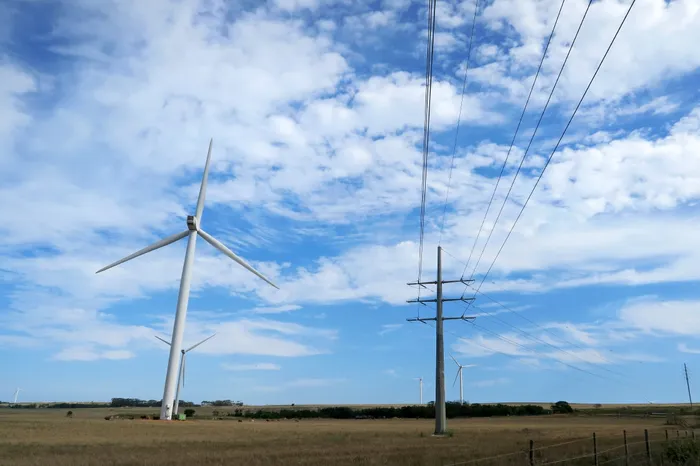
Explore how the September 11 attacks reshaped global geopolitics and created an opportunity for energy transition in South Africa.
Image: David Ritchie
Twenty-five years ago, the September 11 attacks in New York City were dubbed a redefining moment for geopolitics, security and multilateralism.
It ushered a renewed global securocracy feigned by fear and justified the reemergence of narrow nationalism guised under the “national security interest first” paradigm.
The collateral damage of that event as still felt today was that it shook the pillars of multilateralism and impacted on international development and cooperation, but it did not break them, and ultimately the world started recovering, albeit with embedded anxieties of a repeat.
The events of September 11 reshaped U.S. foreign policy and the global landscape, influencing international relations for the past two and half decades.
However, over the same period, alliances of the South and the North were nurtured, and pacts of mutual cooperation in science and innovation; and human development and environmental protection, as well as industrial development and energy were conceived and nurtured.
Today, the world stands on tenterhooks as a conflict of unprecedented levels unfolds in the Middle East. What used to be shared landscape, airspace and maritime space are now frontiers of intensifying geopolitical tension, disruptions to global oil and gas and other critical supply chains, compounded by repeated threats of destruction of global telecommunications and seabed cable infrastructure critical for all things data and internet.
While there is a high degree of uncertainty as to how long the current Middle East crisis will persist and about its medium term and longer-term consequences, this conflict has triggered deeper tenets underlying the global economic order.
The crisis has borne bare, the fragility of our economy and of many more developing countries which are dependent on imported petroleum products and therefore vulnerable to global price shocks.
Rising oil prices, trade uncertainty and climate-related pressures threaten economic growth, jobs and fiscal stability.
Domestically our country energy transition is unfolding in a context of persistent coal dependence, energy insecurity, climate vulnerability, and the urgent need to secure a fair, inclusive, and climate-resilient development pathway.
The net sum of all these, is increasing trade fragmentation and polarisation, a new global race and competition over natural resources, and a rapid reshaping of the global economy and multilateral cooperation – all critical for the new world economy driven by less carbon intensive and green industries.
The Presidential Climate Commission (PCC), the National Planning Commission (NPC), and the President’s Economic Advisory Council (PEAC) continue play a critical advisory role to the Presidency, bringing distinct but complementary advice across climate, planning, and economic domains to facilitate socialisation and diligent execution thereof.
Recognising these pertaining global environment, the three bodies have been thinking on the implications of the current global environment in South Africa in both the short and long term and how it may affect South Africa’s long-term development pathways.
The convergence of this collective thinking is that the conflict has demonstrated how geopolitical instability can accelerate the global energy transition and act as catalysts for longer-term transformations in both the global energy system and the international financial architecture.
The implications therefore extend well beyond the immediate conflict, shaping investment decisions, industrial strategies and energy security policies across the world.
Appreciating that choices made over the next few years will determine whether South Africa remains exposed to external shocks or uses this moment to build a more resilient and inclusive economy, the PCC, PEAC and NPC will soon convene a dialogue on how we navigate the crisis.
The aim is to foster a shared understanding of how changing geopolitical environment is reshaping South Africa’s development and to explore policy responses that strengthen our economic performance by advancing an integrated developmental approach incorporating industrial development policy, electricity and energy planning, and a just energy transition in a rapidly changing global economy.
While the changing geopolitical landscape has implications across multiple sectors, the PCC, PEAC and NPC discussion will deliberately focus on the electricity sector and the industrial opportunities associated with its transformation.
The discussion and ultimate advise to government will examine how the restructuring and decarbonisation of South Africa’s electricity system can enhance energy security while supporting industrial competitiveness, localisation, investment and economic resilience.
Domestically our country energy transition is unfolding in a context of persistent coal dependence, energy insecurity, climate vulnerability, and the urgent need to secure a fair, inclusive, and climate-resilient development pathway.
This will require certain policy interventions to strengthen our economy, energy security, accelerate and expand industrial development and strategic manufacturing capabilities to position ourselves competitively within this changing environment characterised by emerging low-carbon value chains requiring long term structural responses in South Africa’s energy sector.
Emerging at the core of the message from these advisory bodies, is that, to wither the geopolitical storm, our action and response measures can only bear fruition if grounded on an enabling architecture that connects climate action, inclusion, resilience and livelihoods, partnerships and sustainable financing and underpinned sustainable development outcomes.
The argument is a strong case for a country’s response that moves beyond crisis management towards a coordinated development strategy that links energy planning, industrial policy, economic resilience and social justice.
Blessing Manale, Executive Manager, Consensus Building, Communications and Outreach.
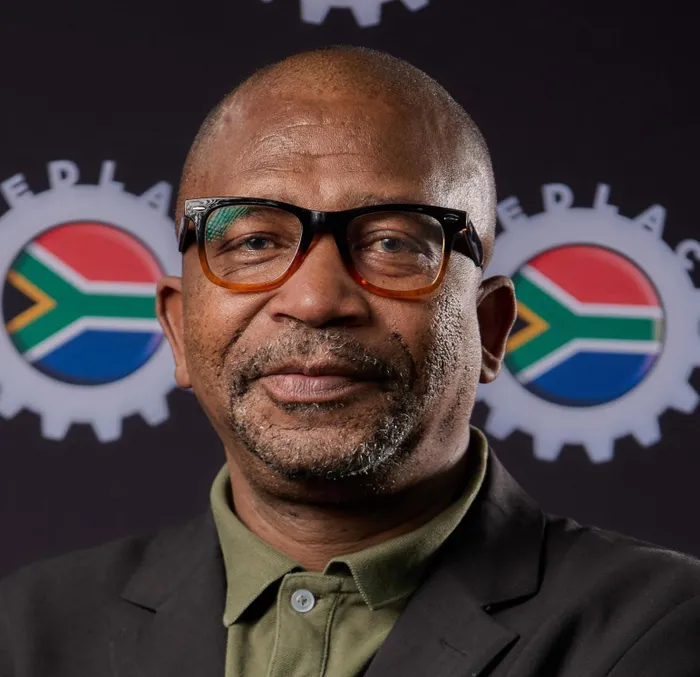
Blessing Manale is the executive manager: consensus building, communications and outreach at the Presidential Climate Commission.
Image: Supplied.
Follow Business Report on Facebook, X and on LinkedIn for the latest Business and tech news.