

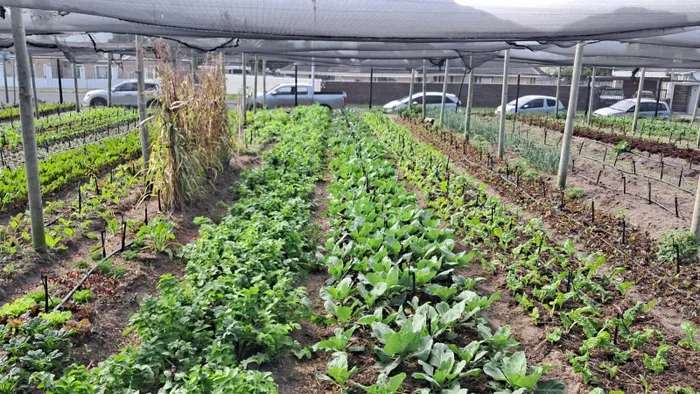
A report by the Food and Agriculture Organization of the United Nations (FAO) and the Organisation for Economic Co-operation and Development (OECD) indicated that the global average gross agricultural income per worker is projected to increase by 9 percent by 2035.
Image: Supplied
Global agricultural incomes are projected to increase by 9% over the next decade, offering encouraging prospects for farmers worldwide, but South African agribusiness has warned that the country must urgently tackle infrastructure failures, crime and regulatory bottlenecks if it hopes to benefit from the expected growth.
The latest OECD-FAO Agricultural Outlook 2026-2035 projects that average gross agricultural income per worker will increase by 9% by 2035, driven by strong global demand for agricultural products and continued gains in productivity.
The report, jointly released by the Food and Agriculture Organization of the United Nations (FAO) and the Organisation for Economic Co-operation and Development (OECD), forecasts that global agricultural and fisheries production will expand by 13% over the next decade, with most of the growth expected to come from Asia, Sub-Saharan Africa and Latin America.
According to the report, if the frequency of shocks experienced in recent years continues, there is a 25% probability that agricultural incomes in 2035 could be lower than current levels.
The report also warned that the sharp rise in global energy prices seen during the first half of 2026 could have significant consequences for food production.
It estimated that if the average 33% increase in energy prices persists through the remainder of the year, global grain production could decline by 0.9% in 2027, while low-income countries would experience an even steeper decline of 1.7%.
The resulting increase in production costs, particularly fertiliser expenses, would lead to higher food prices, lower farm incomes and force poorer households to consume less food or switch to cheaper alternatives.
OECD secretary-general Mathias Cormann said agrifood systems are under pressure, and farmers are on the front line of rising energy and fertiliser costs.
“Their resilience is our food security. Protecting it means better support to weather shocks, sustained investment in productivity, and open, well-functioning global markets,” Cormann said.
FAO director-general Dr QU Dongyu said that to sustain productivity growth in agrifood systems, farmers must strengthen their resilience.
“Resilience is not about surviving the last shock; it is about preparing for the next one,” he said.
“By investing today in diversified trade corridors, regional reserves of critical agricultural inputs, resilient infrastructure, and a more diversified energy mix across agrifood systems that reduces dependence on oil, we can transform vulnerability into preparedness and ensure that temporary disruptions do not become food security crises.”
Wandile Sihlobo, chief Economist at Agbiz, said that the prospects for an increase in farm incomes are encouraging.
“It shows that demand for agricultural products will remain strong and that, through technological advancements, farmers around the world will see higher yields,” Sihlobo said.
“For us in South Africa, we must continuously work to ease the domestic friction that increases transaction costs for farmers and agribusinesses; these include inept municipalities, poor roads and rail, inefficiencies at the ports, and rural crime, among other issues.”
Sihlobo said that they also must be at the forefront of adapting new technologies, improved seed cultivars and genetics, and key agrochemicals.
“These require the government and regulators to embrace technology rather than take a hesitant approach,” he said.
“We have been such a country, where, from the early 2000s, we were at the forefront of technological adoption in Africa and amongst the world’s key agricultural producers. Today, we need to regain that spirit to retain our position as a global agricultural player and, for future farmers, to enjoy the gains the OECD refers to.”
BUSINESS REPORT