

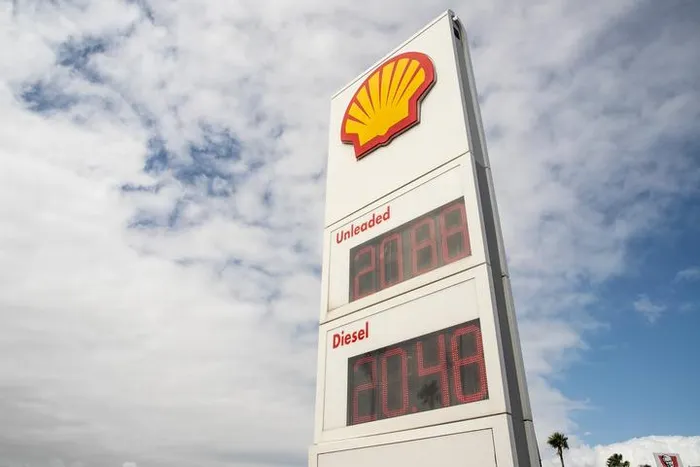
ADNOC Distribution announced on Tuesday that it had entered a definitive agreement that covers the acquisition of 100% of the share capital of Shell Downstream South Africa (SDSA).
Image: XINHUA File
ADNOC Distribution announced on Tuesday that it had entered an agreement that covers the $1 billion (about R16,2bn) acquisition of 100% of Shell Downstream South Africa (SDSA).
ADNOC said that the $1bn was the implied value prior to adjustment for net debt and working capital. “This includes its 580 company and dealer-owned fuel stations, as well as its wholesale fuel, aviation and lubricants operations.”
ADNOC added that the proposed acquisition marks a major step towards ADNOC Distribution’s ambition to become a global mobility and convenience retailer, while advancing its fuel retail footprint in Africa.
“The proposed acquisition is projected to boost ADNOC Distribution’s earnings per share by 6% in the first full year after completion and generate an IRR (internal rate of return) in excess of the company’s hurdle rate, delivering immediate shareholder value.”
ADNOC said that building on its track record of international expansions, the group aims to contribute positively to South Africa’s economy. “The acquisition is expected to close in 2027, subject to customary regulatory conditions, other conditions precedent and closing conditions. A 28% stake in SDSA is expected to be sold on to a local empowerment partner and Employee Stock Option Plan (ESOP) following completion of the Proposed Acquisition,” it said.
ADNOC said it will enter into a long-term brand licensing agreement upon completion of the acquisition, to retain the Shell brand for retail service stations and lubricants businesses in South Africa. “Upon completion, customers will continue to receive their preferred and trusted experience under ADNOC Distribution’s stewardship.”
Eng. Bader Saeed Al Lamki, CEO of ADNOC Distribution, said that the acquisition is a milestone in their international growth strategy and reflects their confidence in South Africa as a high-potential, well-regulated fuel retail sector.
“Shell Downstream South Africa is a respected and financially strong business with deep roots in the local economy, and its values and ambitions align closely with our own,” he said.
Al Lamki added that by bringing it into the ADNOC Distribution family, they plan to accelerate their international expansion, diversify their platform and create long-term value for shareholders, partners and the customers and communities that their business has served for decades.
ADNOC said the South African fuel retail sector offers attractive fundamentals. South Africa’s investments in transport infrastructure, alongside a growing driving-age population, reinforce the growth potential of fuel consumption.
“The country benefits from a strong and transparent regulatory framework for fuel retail, with pricing structures designed to insulate margins against inflation and currency volatility. Together, these characteristics create a compelling environment for sustainable growth, consistent performance and cash generation, supporting long-term value creation for shareholders.”
ADNOC added that it is committed to contributing to South Africa’s strategic economic priorities following the completion of the Proposed Acquisition and the subsequent sell-down to a local empowerment partner, with a focus on energy security, job creation and inclusive economic participation priorities through the local partner. “The Company will seek to appoint a partner with a deep understanding of the South African sector, its regulatory environment and local operating requirements, including alignment with the objectives of the country’s Broad-Based Black Economic Empowerment (B-BBEE) legislation.”
Prof Simphiwe Madikizela, Professor of Economics at UNISA, said that this is good news for the South African economy and for the company to diversify and venture into new markets. “This is a positive development as well in terms of transformation in the sector, especially the BEE partner and the shares for the employees.”
Professor Waldo Krugell, a North West University Business School economist, said that he thinks it is big news.
“The deal involves major companies, big budgets, and lots of workers. It is good news that they see potential in the SA market, even with the uncertainties of the perennial talk of reforming the way the fuel price is calculated.”
Ulrich Joubert, an independent economist, said that this is in line with the international trends of Shell. “They are selling these retail businesses to concentrate on extracting oil from soil. It appears they don't want to be involved in retail business.”
Joubert added that it's good news that although Shell is selling their business, it has been replaced by ADNOC. “So, the country won't be losing out, and it appears that ADNOC knows their business and this is what they normally do.”
www.businessreport.co.za