

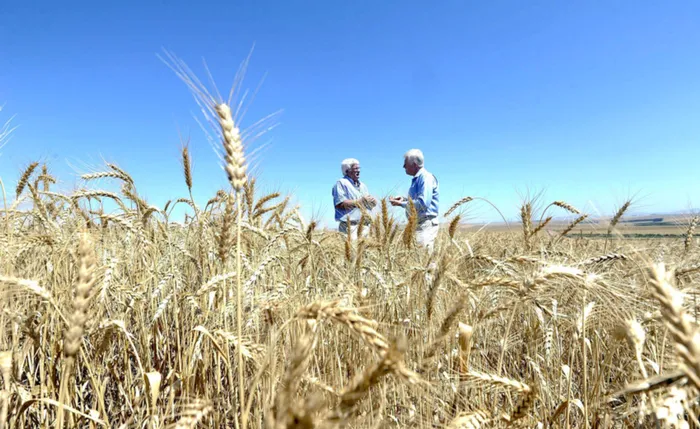
Investec Chief Economist Annabel Bishop says strong harvests and favourable weather conditions are helping keep food inflation low in South Africa, despite rising global commodity prices and Middle East tensions.
Image: Leon Lestrade/Independent Newspapers
South African consumers are continuing to experience relatively low food inflation despite rising global commodity prices, with strong local agricultural production helping to offset mounting international pressures.
According to Annabel Bishop, Investec's Chief Economist, global agricultural commodity prices have been rising steadily this year, particularly following the escalation of conflict in the Middle East.
Non food agricultural commodity prices have increased by 10.4% since before the Middle East war, while global food commodity prices are now 8.3% higher year on year.
Despite these international pressures, South Africa’s latest agricultural inflation rate has fallen to minus 5.0% year on year.
The producer price index for agriculture has been contracting since September last year, driven largely by significant declines in grain, fruit, and vegetable prices.
Grain prices are down 25.4% year on year, while fruit and vegetable prices have declined by 7.5%.
Products linked to crops and horticulture have also recorded sharp price declines of 17.5% compared with the same period last year.
Bishop said favourable weather conditions over the past year played a major role in stabilising food production after the severe drought conditions experienced in 2024.
“Extremely good weather conditions last year and into this year saw these food prices at the production level fall sharply off the higher base in 2024 caused by the severe drought in that year and the year before,” Bishop said.
At consumer level, several staple food categories are now recording price declines.
Cereal product prices, including bread and maize meal, are currently 1.0% lower year on year. Fruit and nut prices have fallen by 9.6%, while vegetable prices are down 1.3%.
Milk and dairy prices have also declined by 0.5% as lower feed costs reduce pressure on producers.
Meat prices, which previously surged because of foot and mouth disease outbreaks, are also beginning to moderate.
Meat inflation, which had reached 31.5% earlier this year, has now eased to 16.2% as vaccination programmes continue rolling out across the sector.
Overall food inflation within the consumer price index has dropped to 3.4% year on year, down from 5.5% recorded in July last year.
Bishop noted that lower fuel prices have also contributed significantly to softer inflation, with fuel costs declining by 8.7% year on year.https://businessreport.co.za/search/?query=lower%20fuel%20prices
South Africa is also expecting another strong harvest season for summer grains and oilseeds this year, helping maintain domestic food supply and price stability.
The maize crop is forecast to come in 2.4% higher than last year’s harvest.
However, while broader food inflation remains subdued, the wheat sector continues to face mounting challenges.
South Africa imports between 40% and 50% of its wheat consumption, leaving local producers exposed to rising global costs and import pressures.
Farmers are also battling high fuel and fertiliser costs, which are expected to place additional strain on winter wheat production this year.
Grain SA has warned that the local wheat industry is facing severe structural challenges.
“Wheat farming under current market and policy conditions is no longer economically sustainable, and intervention from the broader value chain is critical,” Grain SA said.
According to the organisation, delayed tariff responsiveness, rising production costs, the timing of imports, and exposure to subsidised international competition are placing immense financial pressure on producers.
“A persistent price cost squeeze has intensified over multiple seasons,” Grain SA noted.
The organisation also warned that prolonged weakness in global wheat prices continues to undermine profitability for South African farmers.
“While farm gate wheat prices adjust downward rapidly, the same responsiveness is not observed elsewhere in the value chain,” Grain SA said.
“Wheat contributes a relatively small proportion to the final bread price, yet producers bear a disproportionate amount of the risk.”
Meanwhile, South Africa’s agricultural export sector continues benefiting from China’s zero tariff treatment for 53 African countries.
Products including citrus, avocados, stone fruits, wine, flowers, rooibos, and beef are among the agricultural exports gaining stronger access to the Chinese market.
However, Bishop noted that several non tariff barriers still limit broader export opportunities.
“These include transport costs, market access and demand inside China, and compliance issues,” she said.
Commodity markets remain highly sensitive to ongoing geopolitical tensions, with metals and industrial commodity prices rising by 8.6% year on year since the Middle East conflict intensified.
Looking ahead, weather conditions will remain another important factor influencing South Africa’s agricultural outlook.
Bishop warned that a potential shift from the current La Nina weather system to an El Nino cycle next year could affect agricultural production depending on the severity and timing of the event.
Follow Business Report on Facebook, X and on LinkedIn for the latest Business and tech news.