

Stay ahead of the curve as tensions in the Middle East escalate, impacting global markets and commodities. Discover how geopolitical developments are influencing stocks, currencies, and precious metals in this comprehensive analysis.
Image: Shelley Kjonstad / Independent Media
Global markets are awash with concern as heightened geopolitical tensions between Iran and the United States (US) cast a long shadow over investor sentiment.
While Wall Street achieved record highs just one day prior, a wave of wariness has cascaded across Asian markets, sending futures lower in early trade.
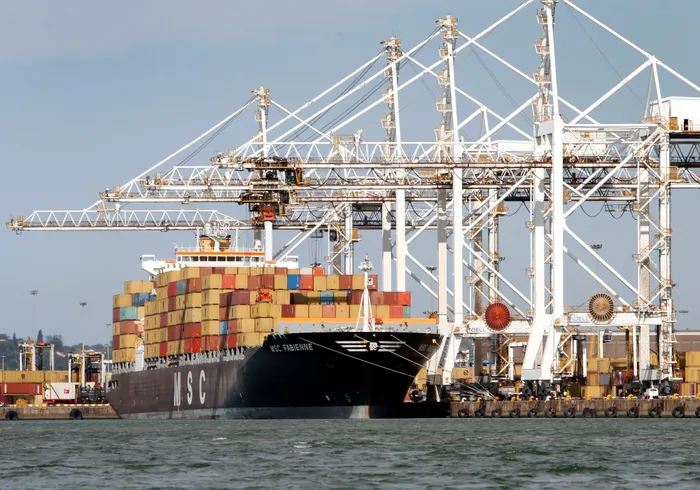
The catalyst for this shift appears to be Iran’s recent military manoeuvres in the Strait of Hormuz, where the nation seized two commercial vessels.
Bianca Botes, Managing Director at Citadel Global said, "This act has raised alarms about the potential for escalated conflict in a region that is pivotal to global oil supply. As a result, oil prices surged back above the crucial $100-per-barrel threshold, now settling at $103. This surge underscores the market's anxiety regarding stability in the Middle East, where any disruption could have far-reaching implications for global energy supplies."
"Despite reports of strong earnings from the technology sector, which normally bolsters investor confidence, Asian markets have reflected a more fragile sentiment. Investors are adopting a cautious stance amidst the geopolitical turmoil, leading to a downturn in stock prices that could reverberate further afield," Botes added.
The impact of these developments extended to commodities as well, with gold experiencing pressure and trading at approximately $4,705 per ounce.
Botes said, "Traditionally viewed as a safe-haven asset during times of uncertainty, gold's dip indicates that investors may be reallocating their portfolios, perhaps seeing less immediate risk in equities than previously thought."
In the currency markets, the increasing tensions have influenced the South African rand, which continues to respond to the shifting geopolitical landscape.
On Thursday morning, the rand is trading at R16.53 to the US dollar, R19.34 to the euro, and R22.29 to the British pound.
"This performance illustrates the rand's susceptibility to external shocks and its investors' scrutiny over geopolitical developments," Botes said.
As the situation unfolds, analysts, and Botes, urge investors to stay informed and consider the broader implications of these geopolitical events on market stability.
Follow Business Report on Facebook, X and on LinkedIn for the latest Business and tech news.