

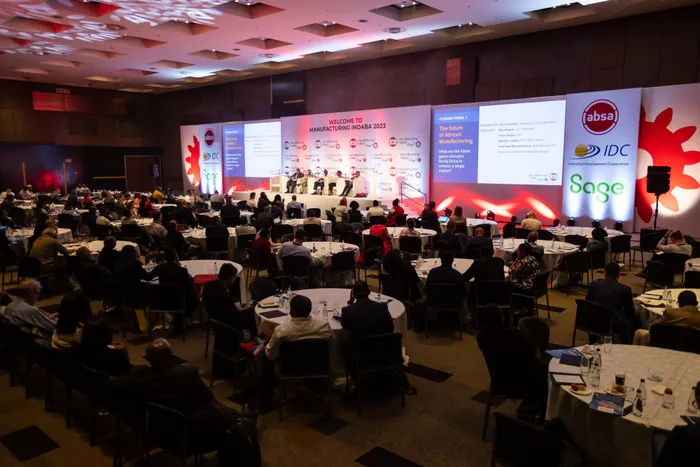
The Manufacturing Indaba is Africa’s leading manufacturing conference and exhibition, focused on supporting industrial development across the continent. The event last week brought together industry experts, manufacturers, and government representatives to foster growth, investment, and innovation in the Sector. Picture: Supplied.
Image: Supplied
Manufacturing Indaba 2026 demonstrated incredible momentum that exists across Africa's manufacturing sector, and the event was a platform for meaningful discussions on industrialisation, regional trade, investment, technology adoption, and the future of manufacturing on the continent, said Liz Hart, MD of Manufacturing Indaba.
She spoke after the 13th Manufacturing Indaba successfully concluded following two days of dialogue, collaboration, and business engagement at the Sandton Convention Centre, which brought together government leaders, manufacturers, investors, policymakers, industry experts, and innovators from across Africa under the theme "Made in Africa: Scaling Growth and Shaping Trade."
Over the two-days, delegates participated in high-level conference sessions, networking opportunities, business matchmaking engagements, and an exhibition showcasing innovative products, technologies, and services that are driving manufacturing competitiveness across Africa.
Deputy President Paul Mashatile, in an address, underscored the government's commitment to advancing industrial development, localisation, infrastructure investment, and economic growth through a stronger manufacturing sector. Senior government leaders, policymakers, and industry stakeholders echoed the need for greater collaboration between the public and private sectors to unlock Africa's manufacturing potential.
Deputy Minister of Trade, Industry, and Competition John Steenhuisen called for Africa to shift from exporting raw materials to producing higher-value manufactured goods.
"Africa should increasingly trade in value-added products rather than just exporting raw materials and importing finished goods. Africa must transition from merely being the source of raw materials to becoming the manufacturing powerhouse," said Steenhuisen.
Minister of Electricity and Energy Dr Kgosientsho Ramokgopa highlighted the central role of energy security in enabling industrial growth, noting that expanding electricity generation and strengthening transmission infrastructure are essential to creating the stable energy environment manufacturers need to invest, expand production, and compete globally.
Throughout the conference, experts explored critical issues shaping the future of manufacturing, including:
The exhibition served as a marketplace where exhibitors connected with decision-makers, procurement professionals, and investors, creating commercial opportunities and partnerships.
"The conversations held over the past two days were focused not only on identifying challenges but, more importantly, on implementing practical solutions that will strengthen industrial growth, increase investment, and expand intra-African trade. The collaboration we have witnessed between government, industry, and investors reinforces our belief that Africa's manufacturing future is bright," said Hart.
The event also showcased how emerging technologies, innovation, and strategic partnerships are transforming manufacturing operations, improving productivity, and positioning African manufacturers to take advantage of new regional and international market opportunities.
The momentum continues with Automation Day, taking place on July 16, 2026, where industry leaders will explore the technologies, automation strategies, and digital innovations shaping the next generation of African manufacturing.
Visit:www.businessreport.co.za
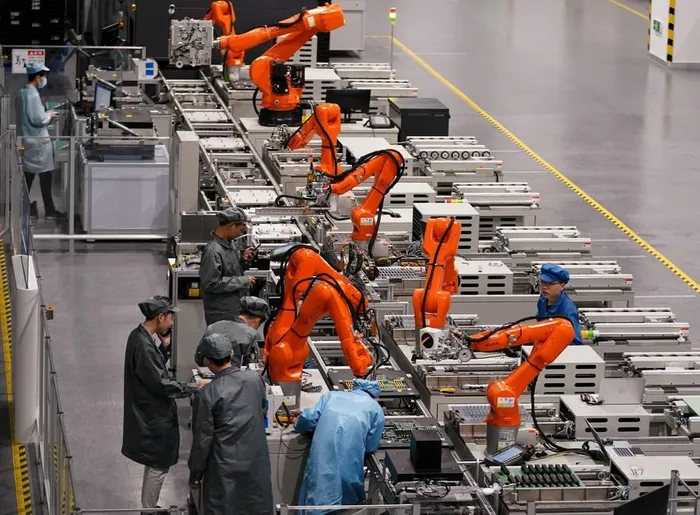
Manufacturing businesses are embracing AI, but industry experts say funding models must evolve to support digital transformation and improve competitiveness.
Image: Xinhua