

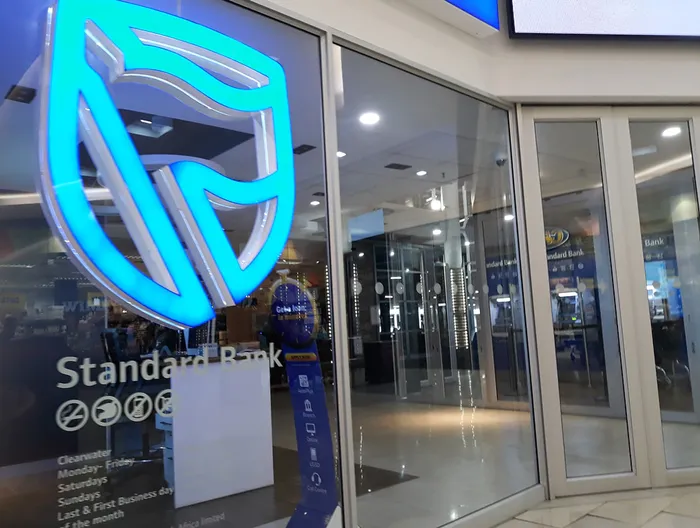
Standard Bank's overall earnings growth moderated from 12% in the first quarter to the end of May 2026, but the diverse performance across African regions ensured the group remained well-capitalised and liquid.
Image: Karen Sandison/Independent Newspapers
Standard Bank Group, Africa's largest bank by assets, foresees a potential rebound in confidence and momentum among its clients as positive developments materialize following "temporary" uncertainty and rising inflation pressures caused by the confllct in the Middle East.
On Monday, the banking giant's share price dipped by 1.94% to R328.78 during morning trade on the Johannesburg Stock Exchange (JSE). Yet, this minor setback does not overshadow the impressive 46.5% increase from R224.35 a year ago, indicating significant long-term growth.
The bank has maintained its guidance for the financial year to December 31, 2026, initially provided in March, although this will be revisited during the interim results set for release on August 13.
Over the five months leading to May 31, the group's operating environment became increasingly complex as geopolitical tensions, elevated energy prices, and trade policy uncertainties weighed on global economic growth and inflation expectations.
In South Africa, however, macroeconomic indicators present a more optimistic narrative, the bank said. The domestic backdrop has benefitted from structural reforms, improved fiscal policies, and resilient trade terms, which have caught the attention of credit rating agencies.
This constructive environment has helped Standard Bank Group maintain a solid performance over the past five months, fueled by its expansive scale and diversification strategies.
Key drivers of earnings growth in this period include substantial balance sheet growth, propelled by strong investment banking origination and increased lending in the Business and Commercial Banking sectors.
The Personal and Private Banking division experienced moderate growth, with a slow but steady upturn in the home loans portfolio. Strong growth in current accounts and term deposits also reflects the bank's strong transactional client base.
Despite challenges such as lower average interest rates and competitive pressures within the home loan market, income growth has largely been supported by the burgeoning client activity and increased transactional volumes.
Elevated market volatility in the first quarter provided opportunities for significant trading revenue growth, allowing the bank to manoeuvre effectively in tumultuous conditions.
The institution has maintained rigorous cost discipline in the face of rising operational expenses, reiterating its commitment to enhancing client services while optimising efficiency.
Notably, lower credit impairment charges have been recorded, even in light of a deteriorating macroeconomic outlook that necessitated increased forward-looking provisions. This positive trend contributed to a healthier credit loss ratio.
Standard Bank’s Insurance & Asset Management division has also reported robust earnings growth, buoyed by favourable life risk experiences and incremental asset accumulation in South Africa and Nigeria.
Although overall earnings growth moderated from 12% in the first quarter, the diverse performance across African regions ensured the group remained well-capitalised and liquid, holding a Common Equity Tier 1 (CET1) ratio of 13.2% as of March 31, 2026.
As the second half of the year unfolds, Standard Bank Group appears poised for a potential resurgence in confidence amid challenging economic waters, offering hope that sustainable recovery and expansion can be achieved across its various operations
BUSINESS REPORT