

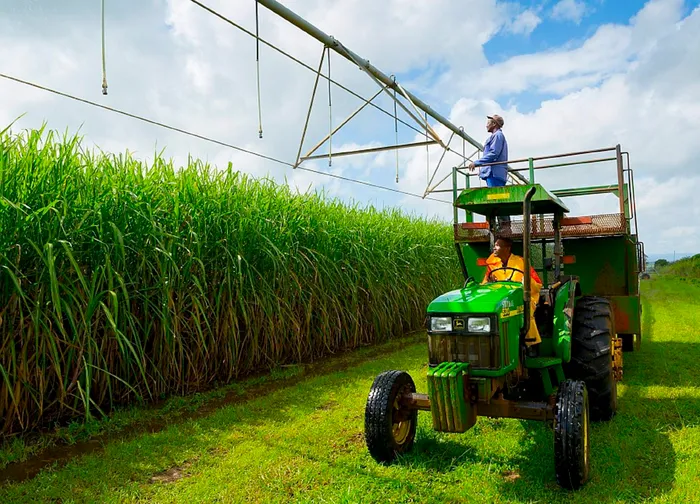
The embattled sugar producer, which has been battling to recover from a financial and debt scandal, remains under business rescue and is struggling to implement its turnaround plan.
Image: Simphiwe Mbokazi / Independent Newspapers
Tongaat Hulett is seeking policy and regulatory reforms it believes are critical to the survival of South Africa’s sugar industry, with the Department of Trade, Industry and Competition (the dtic) confirming that discussions on proposed changes are under way.
The embattled sugar producer, which has been battling to recover from a financial and debt scandal, remains under business rescue and is struggling to implement its turnaround plan.
Now, knowledgeable sources within South Africa’s government and industry have told Business Report that Tongaat Hulett could be forced to halt business rescue implementation and availing of funding should the company fail to secure reforms related to the South Africa Sugar Association (Sasa).
“The winning bidder is dangling a carrot and stick approach to implementation of the rescue proceedings and funding mechanisms for the company as well as its obligations. The view from within is that there will be no progress without reforms,” said one insider.
Tongaat Hulett confirmed to Business Report on Tuesday that it has “raised concerns with government and Sasa about structural issues in South Africa’s sugar industry that are undermining competitiveness and, which threaten a rural economy” supporting around 330 000 jobs.
“By far the biggest challenge is the inflow of cheap imported sugar into the country, which hit record highs last year. Between April and November 2025, South Africa imported more than 390 000 tons of sugar, including over 245 000 tons of duty-free sugar entering via eSwatini,” the company said via email on Tuesday.
“Tongaat Hulett’s concerns have been tabled in the relevant Sasa structures, which include the dtic, and are currently being dealt with in the appropriate forums.”
A consortium that includes Robert Gumede and Zimbabwean businessman Rutenhuro Moyo won the bid to take over assets of Tongaat Hulett, pledging to turnaround fortunes of the ailing sugar concern.
Two South African industry sources separately told Business Report that Tongaat had in their meetings with the dtic told the government that the business rescue process will not be possible without reforms to Sasa and other industry issues.
“I don’t really understand why this has now come up; perhaps they are trying to score some wins or it can be seen as a way of justifying the delay or lack of progress because basically they are saying they could be forced to liquidate the business without these reforms,” said one of the sources.
Bongani Lukhele, director of communications at the dtic, said the department had “received proposed regulatory amendments” but played down the issue, saying these were “not specific to enabling Tongaat Hulett to continue” under business rescue.
“The proposals relate more broadly to the Sugar Industry Regulations. The South African Sugar Association (Sasa), in collaboration with the dtic, has already commenced discussions on the proposed amendments, of which Tongaat Hulett is a participant,” said Lukhele.
In December, the Supreme Court of Appeal said keeping statutory payments such as those owed to Sasa in place during business rescue supported important public interests, including the regulation and stability of key industries.
As a result, an appeal by Tongaat Hulett was dismissed, with the company remaining obligated to make its sugar industry payments despite being under business rescue.
For its part, Tongaat Hulett said engagements with the dtic were focused on industry-wide reform to improve long-term sustainability and competitiveness for the sector.
Tongaat, however, conceded that it had been difficult to make progress with the business rescue proceedings despite continued efforts by the business rescue practitioners and management.
“Due to the complexity relating to the implementation of the business rescue plan, it is taking longer than anticipated,” explained the company.
“As with any business rescue process, the business rescue practitioners continually assess the ability to implement the approved business rescue plan.”
BUSINESS REPORT