

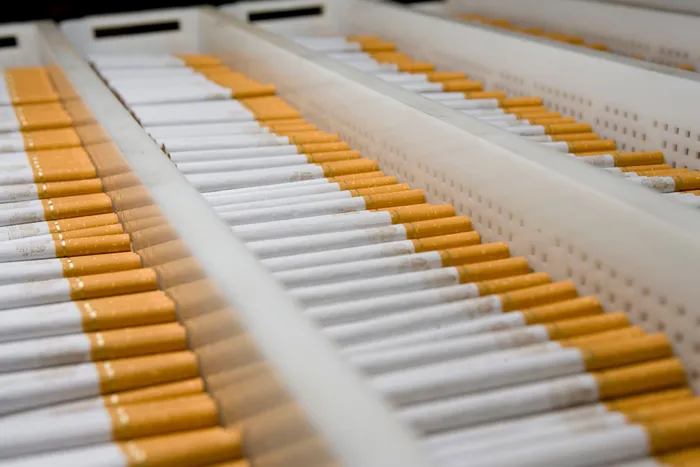
Approximately 75% of the South African cigarette market now estimated to be illicit
Image: Supplied
The planned closure of British American Tobacco South Africa's (BATSA) manufacturing plant is damning proof that authorities' failure to curb the illicit cigarette trade is destroying jobs, draining public revenue, and eroding the rule of law, according to Tax Justice SA (TJSA).
BATSA announced Thursday it will shut its factory in Heidelberg, Gauteng, after years of plummeting sales caused by the illicit cigarette market, which now accounts for an estimated three out of every four cigarettes sold in the country.
The cease factory shut by one of the country's largest tax contributors puts at least 230 jobs at risk, and threatens the livelihoods of employees' families and their wider communities.
The illicit cigarette trade, which blossomed during the State Capture years, was boosted by the five-month tobacco ban imposed by the government during the Covid-19 epidemic. Criminal operators used their illicit networks to sell cigarettes at massively deflated prices, and they have maintained control of the market ever since.
Tax-evading cigarettes now account for an estimated 75% of all sales, depriving the fiscus of almost R30 billion excise tax revenue annually, TJSA said.
BATSA said they aim to close the factory by the end of 2026. It said plans for tougher laws to curb smoking had also impacted their decision. The company said however it remained committed to the South African market and would resort to an import-based supply chain to continue serving consumers, rather than making cigarettes locally. BTSA had in 2017 already warned about the financial feasibility of the factory due to deteriorating market conditions.
Johnny Moloto, BATSA Head of Corporate & Regulatory Affairs said the factory currently operates at just 35% of total capacity due to severe volume losses, which were directly due to the growth of the illicit tobacco trade in South Africa.
"This is an incredibly difficult day for BATSA and for the about 230 employees and families. These are skilled, dedicated people who have given years of service, who unfortunately are affected by an illicit market that operates outside of the regulatory net," he said.
The company said several policy decisions had worsened the situation: the unconstitutional 2020 Tobacco Sales Ban, and above-inflation excise increases that had widened the price gap between legal and illegal products.
Adding to this was new tobacco legislation currently before Parliament, the Tobacco Products and Electronic Delivery Systems Control Bill, known as the Tobacco Bill, which, if passed, will exacerbate South Africa's illicit trade issues, he said.
The Free Market Foundation (FMF( said in November the Tobacco Bill went far beyond health protection as it prohibits smoking in most public and even private spaces, bans nearly all advertising and product displays, outlaws online and courier sales, and imposes plain packaging. It treats cigarettes, vapes, and even non-tobacco products as identical threats, despite global evidence harm-reduction alternatives like e-cigarettes are 95% less harmful than combustible tobacco.
"When republished in 2022, the bill ignored lockdown-era evidence that prohibition fuels the illicit trade, and used misleading economic comparisons to justify regulation," the FMF said.
"This shows what happens when you fail to tackle illicit trade: legitimate businesses are compromised, honest jobs are destroyed and vital tax revenue is lost," said TJSA leader Yusuf Abramjee in a statement.
"This factory closure shows that misguided regulation, endemic corruption and enforcement failure have real economic consequences, not abstract ones," Abramjee said.
Moloto said: "BATSA has raised these concerns for years, providing data and proposing solutions. While some in government have genuinely tried to help, the overall response hasn't been enough to protect legitimate businesses and the jobs they create. With the illicit industry's current size, only a co-ordinated, whole of government response can make a real impact."
He said they would re-invest in local production in South Africa if there was a substantial trend change in the local illicit trade environment.
BATSA started a formal consultation process Thursday with affected employees and union representatives and expects to conclude this process by end March 2026.
BUSINESS REPORT