

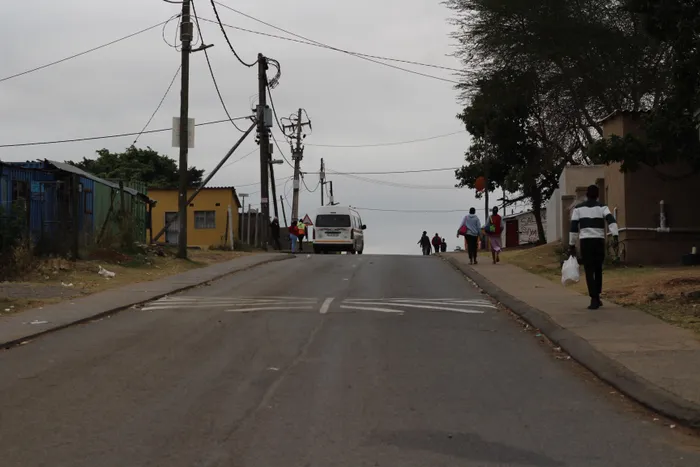
These new relief measures are said to range from property rate rebates and lower-than-expected rate increases to debt relief programmes, support for low-income households and pensioners, and major infrastructure and housing allocations.
Image: Chumani Mazwi/Independent Media
With the 2026 local government elections drawing closer, municipalities across South Africa appear to be stepping up service delivery efforts, from repairing potholes and restoring water supplies to improving refuse collection and tackling long-standing billing disputes.
At the same time, another election battleground is emerging: the monthly municipal bill.
According to Grant Smee, chief executive officer of Only Realty Property Group, several municipalities across Gauteng, the Western Cape and KwaZulu-Natal have introduced or expanded measures aimed at easing financial pressure on ratepayers.
"While it may be cynical to say these measures are being introduced purely to win votes, the timing is certainly convenient," said Smee.
The interventions include property rates rebates, lower-than-expected rates increases, debt relief programmes, assistance for pensioners and low-income households, as well as increased spending on infrastructure and housing.
In Gauteng, the City of Johannesburg is rewarding homeowners who pay their annual property rates upfront with a 10% rebate.
The incentive, introduced as part of the city's 2026/27 budget and effective from July 1, requires homeowners to apply at least three months before the start of the financial year, although late applications may still be considered.
Meanwhile, residential property owners in the City of Tshwane continue to receive rates relief on the first R250,000 of their property's value, while pensioners and people living with disabilities may qualify for additional rebates depending on their circumstances.
Smee said that affordability is not only about reducing monthly rates.
"Rates relief is one side of the affordability equation, but municipal debt is the other. For households already behind on their accounts, a lower rates bill means very little if they have no realistic way to get back on track."
To address this, qualifying Johannesburg homeowners can apply to have 50% of their municipal debt written off before October 31, 2026, while all accumulated interest and penalties may be waived.
The City of Ekurhuleni has adopted a similar approach, offering qualifying financially distressed residents either partial debt write-offs or structured repayment plans of up to three years.
According to Smee, these programmes also help municipalities recover at least part of the money owed to them.
"These kinds of goodwill programmes aren't just about winning a few extra votes. They also help municipalities claw back part of the outstanding service debt."
In the Western Cape, the City of Cape Town has expanded its residential rates relief following growing criticism over rapidly increasing municipal bills, driven by higher property valuations and additional fixed charges.
For the 2026/27 financial year, homeowners with properties valued at up to R8 million will now have the first R620,000 of their property's value excluded from rates calculations, up from R450,000 previously.
Low-income households and pensioners may also qualify for rebates of up to 100%, along with free basic water and sanitation services and subsidised electricity, depending on household income.
Smee said that smaller municipalities are also introducing relief measures.
Drakenstein Municipality has approved a relatively modest 3.7% property rates increase and continues to exempt homes valued at R350,000 or less from paying property rates.
The municipality has also allocated significant funding towards housing, informal settlement upgrades, water, sanitation, roads and electricity infrastructure.
In KwaZulu-Natal, eThekwini Municipality has increased the qualifying property value threshold for full rates exemptions for low-income households from R350,000 to R400,000.
The municipality has also increased the qualifying threshold for pensioner rebates from R2.5 million to R2.75 million.
However, Smee said financial relief alone may not be enough to restore public confidence.
"In a city like Durban, rates relief has to be viewed against the reality of its service delivery record. A reduced rates burden may help on paper, but residents are still going to ask what they are getting in return if sewage, refuse collection, electricity and water delivery remain ongoing concerns."
In neighbouring Msunduzi Municipality, which includes Pietermaritzburg, property rates will increase by only 2%.
However, residents will still face higher water and sanitation tariffs.
The municipality is also targeting up to R200 million in historical debt write-offs while continuing to support low-income households.
Smee believes that every municipal budget reflects more than simply income and expenditure.
"It is about who can absorb rising costs and who cannot."
His comments echo concerns previously raised by the South African Institute of Black Property Practitioners (SAIBPP), which noted that annual budget debates often focus on whether tariff increases exceed inflation or whether municipalities are well run, while overlooking how differently those increases affect residents.
SAIBPP chief executive officer Kululwa Muthwa has previously warned that municipal increases do not affect all property owners equally.
Smee added that affordable rates alone cannot replace effective governance.
"Keeping property rates low is only one part of the story. For residents, what matters is the full municipal bill at the end of the month and whether that bill is matched by reliable service delivery.
"Relief measures may ease short-term pressure, but trust in local government is built on the basics: clean streets, working infrastructure, accurate billing and municipalities that residents believe are using their money well."
The focus on affordability also extends beyond homeowners.
Earlier this year, TPN Credit Bureau's inaugural 2026 Voice of the Commercial Tenant Report found that more than half of South African commercial tenants believe annual rental increases above 4% are no longer sustainable.
The report identified rising rental costs, escalating utility expenses, a lack of transparency in municipal billing and internal property issues as the biggest threats to commercial lease renewals, highlighting the growing financial pressures facing both households and businesses.
Independent Media Property