

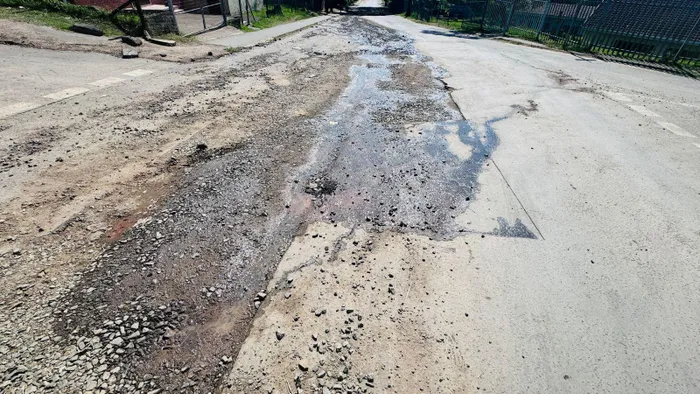
Property buyers' core priorities have shifted due to the expansion of remote and hybrid work models, infrastructure anxieties, and the widening gap in municipal service delivery.
Image: Monishka Govender
The performance of a municipality is now becoming a key factor in people choosing where they buy their property.
This is as South Africa will head to the polls as the country holds the Local Government Elections in just over 4 months (November 4).
Service delivery, affordability, infrastructure, and local governance can influence property values, monthly ownership costs, and long-term quality of life.
At a glance, MyProperty says:
The property portal says for years, the old property saying “location, location, location” was all about finding the right suburb. It says buyers compared postcodes, school catchment areas, and commute times, often making decisions based on prestige or proximity to work.
It says that while location remains one of the most important factors when buying property, many South Africans are now looking beyond suburb boundaries.
It says that increasingly, buyers are choosing municipalities rather than postcodes, recognising that the quality of local governance and service delivery can have just as much impact on their quality of life, and the long-term value of their investment.
This shift reflects how the property market has evolved in recent years, the portal adds. It says the rise of remote and hybrid work, concerns around infrastructure, and growing differences in municipal performance have changed what buyers value most.
The business says that for years, semigration was largely driven by lifestyle. It says buyers relocated to coastal towns and the Western Cape in search of better weather, improved work-life balance, and attractive lifestyle estates.
It says those factors remain important, but affordability has become an increasingly significant part of the decision-making process.
Quoting an independent economist, John Loos, MyProperty says the Western Cape's average house price has increased by an extraordinary 188% since 2010, compared to 81.6% in Gauteng over the same period.
It says rental costs tell a similar story, with cumulative rental inflation reaching 135.1% in the Western Cape, compared with 64.1% in Gauteng.
“These widening affordability differences mean buyers are increasingly looking beyond the traditional semigration hotspots and asking a broader question: where can I enjoy the best quality of life while still staying within my budget?”
Despite rising housing costs, the portal says the report cautions against assuming that buyers are abandoning the Western Cape.
It says Wise Move's 2025 relocation data still shows a significantly larger flow of households moving from Gauteng to the Western Cape than in the opposite direction.
Around 21.96% of recorded interprovincial relocations were from Gauteng to the Western Cape, compared with 10.66% moving from the Western Cape to Gauteng, indicating that semigration towards the Western Cape remains strong overall, it says.
It adds that it is changing how buyers evaluate potential destinations. Many are weighing up the overall value offered by different municipalities
Rather than focusing solely on whether they can afford a particular suburb, many are weighing up the overall value offered by different municipalities, including the cost of living, service delivery, and future investment prospects, MyProperty says.
Features like modern kitchens, swimming pools, and secure estates are said to remain desirable, but many buyers now view reliable infrastructure as an equally important selling point.
“A municipality that consistently maintains roads, manages utilities effectively, and invests in infrastructure creates an environment where residents can enjoy a higher quality of life and where property values are more likely to remain resilient over time,” MyProperty says.
Poor service delivery can influence everything from daily convenience to resale value.
The portal says poor service delivery, on the other hand, can influence everything from daily convenience to resale value.
Estate agents are increasingly finding that buyers ask about municipal services during viewings, particularly in areas where infrastructure challenges have become more visible, it says.
Ongoing costs of ownership can differ significantly depending on where they are located.
The portal says choosing the right municipality also means understanding the true cost of owning a home. It says that while properties may have similar asking prices, the ongoing costs of ownership can differ significantly depending on where they are located.
These costs may include:
These monthly expenses can have a significant impact on affordability and should be considered alongside bond repayments when comparing properties, MyProperty says.
Municipal performance influences far more than the delivery of basic services, the portal says. It adds that it also affects many of the everyday factors that shape a community and determine whether an area is a practical place to live over the long term.
For many buyers, it says access to quality public and private schools, nearby healthcare facilities, and reliable fibre internet are essential considerations, particularly as remote and hybrid working remain common.
It says others may place greater importance on well-maintained public spaces, parks, and recreational facilities that contribute to their family's quality of life.
The condition of local road networks, transport infrastructure, and planned future developments can also influence a buyer's decision, MyProperty says. It says these factors not only affect daily convenience but can also play a role in future property values as areas continue to grow and develop.
For families in particular, it says these practical considerations often have a greater impact on long-term satisfaction than the reputation of a suburb alone. A desirable postcode may attract attention, but it's the quality of the surrounding municipality that often determines what it's actually like to live there day after day, it adds.
The portal says affordability is only one part of the equation.
Quoting Loos, it points out that relatively cheaper housing alone is unlikely to attract large numbers of skilled, affluent buyers if economic opportunities and service delivery are lacking.
The Western Cape has also significantly outperformed Gauteng in employment growth since 2015, recording growth of 27.5% compared with Gauteng's 4.2%, highlighting that buyers continue to consider job opportunities and economic performance alongside housing costs
This is said to suggest that successful municipalities need to offer more than affordable homes. Strong governance, investment in infrastructure, economic opportunity, and a good quality of life all contribute to making an area attractive to buyers.
Before making an offer, buyers are advised to research more than just the recent selling prices.
Buyers should also investigate:
The portal says speaking to local estate agents can also provide valuable insight into how different municipalities are performing and what buyers can realistically expect.
The company says buying a property is one of the biggest financial decisions most people will make. While the home itself remains important, the municipality in which it sits plays a major role in determining everyday convenience, monthly costs, and future resale potential, it adds.
As buyers continue to prioritise stability, affordability, and quality of life, the most successful property decisions are likely to come from looking beyond the postcode and understanding the bigger picture, says MyProperty.
“After all, you are not just buying a house, you are choosing the community, services, and infrastructure that will shape your daily life for years to come.”
"A property is defined by its context," Nolte says. "Its true risk profile is shaped by the physical geography around it – the slope of the land, proximity to water bodies, the condition of local municipal infrastructure, and localised micro-climates.
"Accurate underwriting requires geospatial intelligence that overlays these dynamic datasets to create a precise, three-dimensional view of the risk."
According to REMAX Southern Africa, one of the most significant shifts is an increased emphasis on security. The real estate agency says while safety is a key consideration for most homebuyers in SA, parents are often more mindful of finding secure environments where children can play, walk, and socialise with more peace of mind.
It says that for many families, security estates, gated communities, and sectional title developments often offer the added benefit of controlled access and family-focused amenities.
The spatial context is crucial in SA, where localised infrastructure capacity and changing weather patterns are rapidly reshaping the risk landscape. Liza Nolte, new business development manager at AfriGIS, works at the intersection of geospatial intelligence and the financial services organisations trying to price risk accurately.
“Now, two identical commercial buildings with the same elevation and proximity to a river can face completely different exposures if one is served by a highly constrained stormwater network and the other is not,” Nolte said recently.