

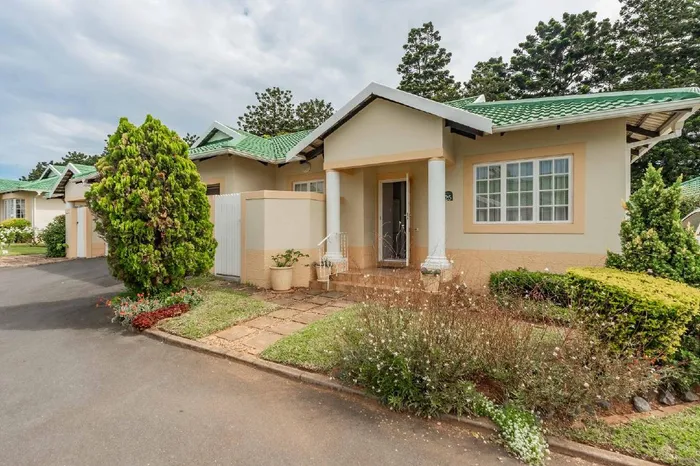
1008618413__20260503__0 Traditional property lifecycle relies on older generations downsizing, which naturally unlocks established suburban family homes for the next generation of upwardly mobile, first-time buyers.
Image: Supplied
Due to the high interest rates and the sheer cost of living, the younger generation is struggling to achieve independence, with adult children staying in the family home into their 30s.
Instead of selling an empty nest, parents are actively repurposing their properties to accommodate a full one, says Gerhard Kotze, the CEO & Franchisor at RealNet Properties SA.
He says the primary home has effectively become a vital economic buffer for the entire family.
“This is the true knock-on effect we need to acknowledge. "Ageing in place" might look like an inventory bottleneck from a pure market liquidity standpoint, but from a household perspective, it's a necessary protective strategy against economic pressure.”
The gridlock will not unlock by expecting buyers to alter their behaviour, Kotze adds.
It will only change when developers and lenders start designing downscaling models that offer genuine, realistic value, he says.
Recent data revealed that South Africans over the age of 60 control 40% of the high-value housing stock highlights a very real multi-layered puzzle that the property sector is trying to figure out.
According to RealNet Properties SA, on one hand, the country has a broader macro-economic view. The real estate company says traditional property lifecycle relies on older generations downsizing, which naturally unlocks established suburban family homes for the next generation of upwardly mobile, first-time buyers.
It says because that turnover is slowing down, it is creating a bottleneck that is driving suburban prices up and forcing younger families to over-leverage or wait much later in life to buy.
But on the other hand, Kotze says when looking at the ground reality of why this gridlock is happening, it is clear that it is not a simple case of people just refusing to move. It is a highly rational response to a complex economic landscape:
First, he says the math of traditional downsizing is completely broken.
“If you sell a large, fully paid-off older home in an established suburb, trying to buy a modern, smaller townhouse or sectional-title unit often costs you more per square metre than the property you just left. From a wealth-preservation perspective, trading a spacious asset just to spend more money on less space makes zero sense.”
Second, he adds there is a massive deficit in quality retirement stock.
“Seniors aren't necessarily opposed to moving, but the supply of secure well-located and realistically priced retirement developments in South Africa is incredibly thin."
"The premium options that do exist are prohibitively expensive. Without viable infrastructure to transition into, staying put is the only sensible default."
"But the layer that really connects the dots is the rise of multi-generational living.”
On Monday, June 29, FNB said for many young South Africans, owning a home may feel harder to reach than it did for previous generations. It says rising property prices, higher living costs, and economic pressure have changed how young people enter the property market.
However, it says that young buyers have not given up on climbing the property ladder. Instead, they are finding different and more practical ways to get there.
According to FNB's data shows that over the past decade, the share of property buyers under the age of 35 has declined from 38% to 31%.
However, it says young customers remain firmly represented in the first-time buyer market, accounting for nearly half of all first-time home purchases.
This suggests that while fewer young people are entering the property market, those who do are approaching the decision with greater intention, adaptability, and long-term thinking.
Youth need the right support to understand affordability, credit usage and long-term financial planning.
Many young professionals and graduates still see homeownership as an important part of building financial stability, but need the right support to understand affordability, credit usage and long-term financial planning, says Vanashree Naidoo, FNB Home and Structured Lending Product Head.
“Buying a home is one of the biggest financial decisions a young person can make. The challenge is not only whether they can afford the monthly repayment, but whether they understand how to use credit responsibly to build long-term value,” says Naidoo.
Not all debt is negative, she adds. “The important distinction is between debt that creates pressure and debt that can support progress. A home loan, when structured correctly and within a customer’s affordability, is a form of good debt. It allows one to invest in an asset that can grow in value over time, while also helping to build a foundation for long-term financial well-being.”
As property prices have increased, young buyers have adjusted their expectations. In 2015, more than a third of young buyers purchased homes valued below R400,000. By 2025, that figure had declined to just 14%, reflecting a significant shift in entry-level property availability and affordability.
Rather than stepping back from the market entirely, young buyers are adapting by targeting higher price brackets and planning their homeownership journeys more deliberately.
The proportion of young and first-time buyers using mortgage finance has increased significantly, with around 76% relying on home loans to secure a property. This trend is said to point to the importance of financial solutions that help bridge the gap between income, property prices and aspirations.
The Bank’s data also reveals that young and first-time buyers make greater use of higher loan-to-value financing, reflecting the growing role of tailored credit solutions in enabling market entry. This suggests that access to responsibly structured finance is a critical part of making home ownership possible.
Independent Media Property