

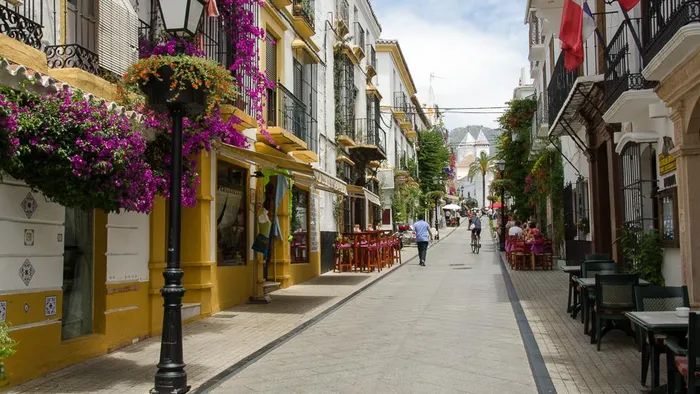
Marbella is a resort town on Spain’s Costa del Sol, known for its beaches, marinas and golf courses.
Image: Wikimedia Commons
For decades, global wealth tended to concentrate in a small group of established financial capitals, where stability, prestige and long-term value were assumed to reside.
That model is quietly breaking.
In 2026, the world’s wealthiest buyers are no longer anchored to traditional capitals. Instead, they are choosing destinations that function like global cities – without the congestion, political noise or pressure – places offering international connectivity, elite services and legal certainty, paired with space, climate and lifestyle.
Think Marbella instead of Madrid. The Algarve over Lisbon. Tuscany rather than Milan. Greek islands in place of Athens.
According to Oscar Lindahl, creative director and partner at luxury real estate agency MPDunne.com, these locations have evolved into what he describes as “mini global cities”, and they are reshaping how and where global wealth moves.
“Marbella sits in a unique sweet spot: European lifestyle, incredible climate, strong services and real space,” Lindahl said. “That combination is rare, and globally mobile buyers know it.”
Marbella is a resort town on Spain’s Costa del Sol, known for its beaches, marinas and golf courses, with a long-established luxury property market. The town combines a historic Old Town with modern residential developments and tourism infrastructure, and benefits from a mild year-round climate influenced by the Sierra Blanca mountains.
“The top of the market behaves differently. Luxury buyers make considered, strategic decisions – they’re buying stability, privacy and the certainty of long-term value,” Lindahl said.
High-net-worth buyers are increasingly prioritising countries with strong rule of law, international schooling, modern healthcare, digital connectivity and year-round liveability.
“People aren’t just choosing a property; they’re choosing a way of life. They want places where they can work efficiently, raise their families, enjoy nature, and feel genuinely at ease,” Lindahl added.
Stability is key
While broader housing markets remain sensitive to borrowing costs and economic policy, the global prime sector enters 2026 in a position of strength. A high proportion of luxury transactions remain cash-based, insulating the segment from rate movements.
What is changing is buyer mix and timing, influenced by currency fluctuations and wider wealth cycles. Yet high-net-worth buyers are not retreating — they are reallocating. Prime property is increasingly viewed not only as a home, but as a strategic hedge.
“Someone is always in a favourable position in the luxury market. A shift in one region’s currency or tax landscape simply redirects activity, but it doesn’t erase demand,” Lindahl said.
The post-pandemic reset permanently reshaped priorities. In 2026, mobility is no longer a trend and is now a structural shift. Wealthy buyers are selecting homes based on how they want to live, not simply where they work, Lindahl explained.
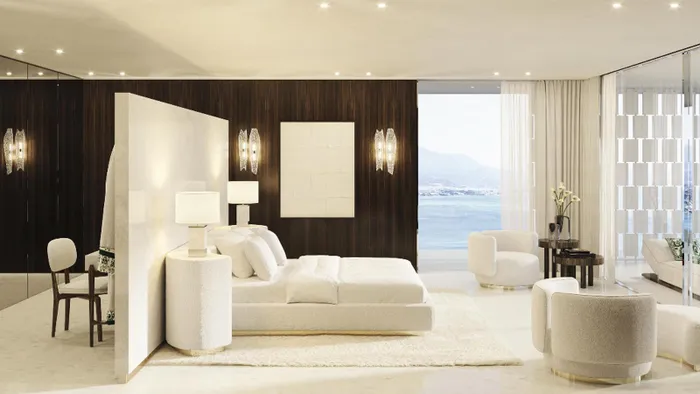
Design Hills Dolce&Gabbana Marbella is an exclusive "enclave of a meticulously curated collection of hospitality and residential creations, devoted to the art of living".
Image: Design Hills Dolce&Gabbana Marbella
Turnkey living
In 2026, the strongest global theme remains the shift toward turnkey, move-in-ready homes.
“Busy people have no time. Today’s luxury buyer wants a seamless experience from the moment they walk in the door, without the stress or uncertainty of renovation,” Lindahl said.
For ultra-high-net-worth buyers, time has become the true premium. As a result, fully furnished, design-led interiors, advanced smart-home technology, security and privacy systems, energy-efficient features, exceptional indoor–outdoor flow and zero renovation risk are becoming universal expectations at the top end of the market.
“Nowhere is this shift more visible than in the rise of branded residences, which are reshaping the luxury landscape. These developments bring global design pedigree, hotel-level services and lock-up-and-leave convenience, offering clarity and consistency for buyers,” said Lindahl.
In markets such as Dubai, Miami and increasingly Marbella – with Dolce & Gabbana, Missoni, Fendi and Lamborghini developments on the horizon – branded residences are commanding pricing power and faster resales. In 2026, that momentum is expected to accelerate.
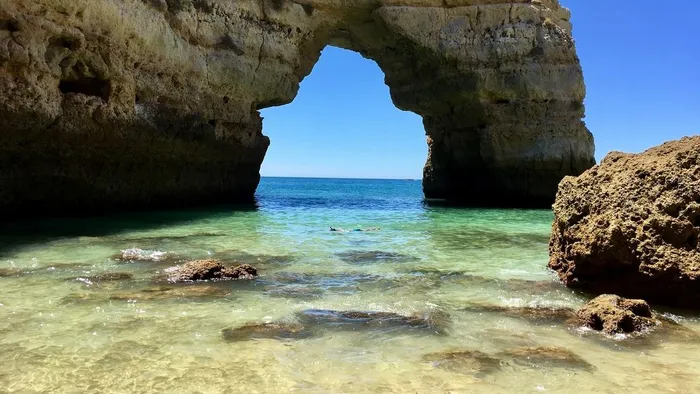
The Algarve is Portugal's sunny, southernmost region, famous for its coastline with golden beaches, limestone cliffs, and sea caves.
Image: Wikimedia Commons
Sustainability
At the same time, from solar integration and aerothermal systems to drought-resistant landscaping, EV-ready garages and intelligent energy management, sustainability has moved from “desirable” to “expected”.
“Sustainability and innovation aren’t mere trends: they’re the future of luxury,” Lindahl said.
Buyers are focused on efficiency, long-term running costs, environmental impact and architectural integrity.
Regions with stable climates and natural beauty, including coastal Portugal, southern Spain and parts of Italy, are particularly well positioned, where sustainable design enhances both comfort and long-term asset value.
At the same time, digitalisation has transformed the buying process.
For international buyers, high-quality video, drone footage and 3D tours often provide a clearer sense of a property than an in-person viewing.
In 2026, AI-enhanced walkthroughs, cinematic production, remote due diligence, virtual staging and personalised viewing journeys will become even more central, creating unprecedented global liquidity in the luxury market.
IOL BUSINESS