

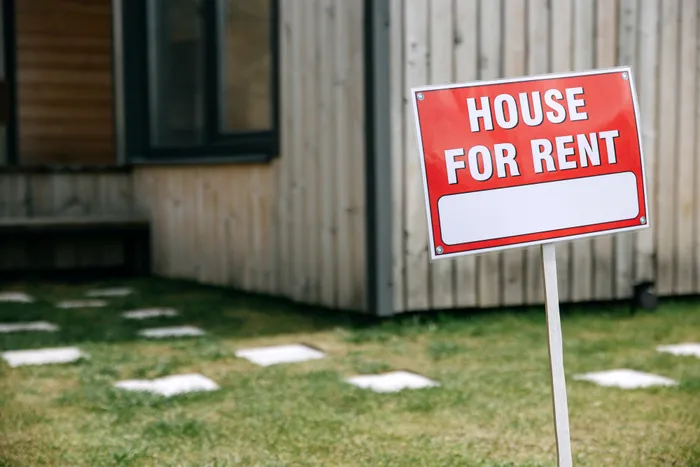
Landlords can increase the appeal of their properties by installing gas stoves, solar geysers or heat pumps to reduce electricity costs.
Image: Ivan Samkov | Pexels
South Africa’s rental market typically sees a surge at the start of the year, with tenants relocating for practical reasons such as moving closer to schools, changing jobs, retiring, or settling nearer to family support networks.
According to Africaninvestor, private rental data indicates that tenant demand tends to peak in January and February, driven by students starting university, new job entrants, and families relocating ahead of school terms.
Africaninvestor’s analysis also notes a second demand spike between August and October as households plan ahead of year-end, while activity typically dips in December and early January when many people are on holiday.
“For landlords, this seasonal churn is often seen as an opportunity to increase rentals. However, current market conditions suggest that automatic rent hikes may not always be the most effective strategy," said Ephraim Zaslansky, a director of leading Johannesburg property group FIRZT Realty.
Africaninvestor stated that, as of early 2026, rents in South Africa have increased by approximately 5% compared to the same period last year.
The main factors driving this rent growth in South Africa include limited new housing supply, stable tenant demand in major metros, and ongoing affordability pressures that keep vacancy rates low.
Against this backdrop, Zaslansky points to the financial pressures tenants are facing. “The total amount of personal debt outstanding in South Africa is more than R2-trillion,” he noted.
According to the latest figures from PayProp, tenants spend an average of almost 48% of their net income on debt repayments, despite the interest rate decreases in the past year, Zaslansky said.
Based on industry analysis, Zaslansky indicated that, on average, rent costs tenants another 31% of their net income, so many tenants who are on the move at this time of year will be actively looking to reduce their monthly expenses.
"They know that this year, like others, is bound to bring increases in school fees, insurance and medical aid premiums, electricity and water tariffs, taxes and other costs over which they have no control,” said Zaslansky.
Where tenants can take charge of their finances is when it comes to housing costs. “They are definitely prioritising affordability as well as location whenever they move now, so that they can accelerate debt repayment and improve their financial resilience,” said Zaslansky.
Indications are that many tenants want to cut rental costs now so that they can save a deposit and purchase a home of their own, said Zaslansky.
Zaslansky added that, “in this environment, landlords who rely solely on rental increases to improve returns may find themselves facing longer vacancies, and a vacant property can quickly cost more than a modest or deferred increase”.
An inflation-related increase of 4% on a property currently renting for the national average of R9 300 a month might only bring in about R4 500 of extra income a year, but landlords could lose more than double that amount if the property is vacant for just one month because tenants regard it as overpriced, Zaslansky added.
Instead of relying on increases alone, Zaslansky said landlords should focus on strengthening the overall value proposition of their properties.
Practical steps include ensuring properties are well maintained, with fresh paint, working appliances, secure doors and windows, and well-kept common areas.
Other aspects that tenants see as attractive include high-speed fibre readiness, prepaid electricity and water meters, energy-efficient lighting, security, and secure parking are increasingly seen as essentials.
“Landlords can increase the appeal of their properties by installing gas stoves, solar geysers or heat pumps to reduce electricity costs. First-time renters also appreciate properties that come with additional appliances such as a fridge and a washing machine,” said Zaslansky.
IOL BUSINESS