

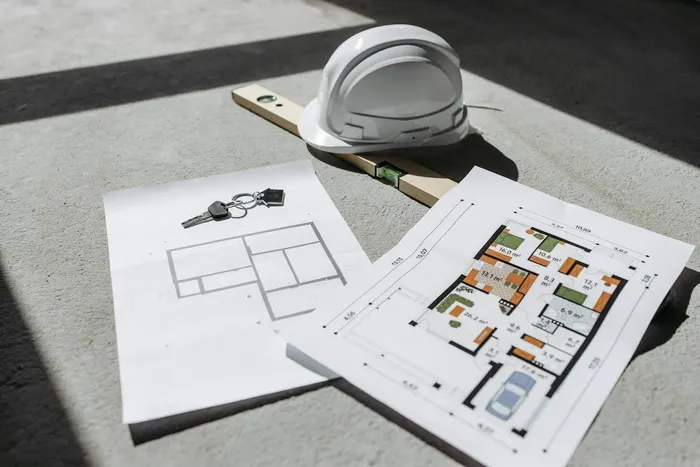
Whichever structure you choose, the interior design determines its success as a family haven and will showcase what can be done with the space
Image: Supplied
For many families across South Africa, the quest for more space in their homes has become an all-too-familiar hurdle.
With evolving lifestyles, such as the growing trend of remote work and expanding family units, existing floor plans can feel increasingly cramped. Homeowners now face an essential decision: should they extend their homes, and if so, which type of extension is best suited for their needs?
A testament to this growing trend, Claude McKirby, Co-Principal of Lew Geffen Sotheby’s International Realty in Cape Town’s Southern Suburbs, underscores the importance of this choice. “
A home extension is one of the most strategic investments a homeowner can make,” he asserts.
“However, the chosen path must align with both your immediate lifestyle needs and your long-term financial planning. It’s a balance of practicality, cost, and future resale value.”
Today’s sunrooms vastly differ from the draughty conservatories of years gone by. They have evolved into sophisticated, highly insulated structures designed for year-round use, making them an excellent choice for the South African climate.
From a financial perspective, sunrooms often provide a more accessible entry point into home extensions.
McKirby illustrates the range of investment homeowners can expect: “We’ve seen a very wide cost range for sunrooms. A homeowner can invest anywhere from R80 000 for a basic, small structure to R350 000 for a medium-sized, high-quality system. For a premium, large-scale addition with features like automated louvers and solid roofs, budgets can reach R800 000.”
One of the standout advantages of a sunroom is its expedited build time. Once municipal approval is secured – if necessary – a sunroom can typically be constructed in just three to eight weeks. “Because many are manufactured off-site as kit systems, the on-site assembly is swift, leading to considerably less disruption for the family,” adds McKirby.
For homeowners desiring a fully integrated additional room, a brick extension remains the classic choice. This method is often preferred for new bedrooms, enclosed home theatres, or kitchen expansions, providing a permanent solution that blends effortlessly with the existing structure.
However, this choice invariably comes with a heftier price tag. A modest single-storey extension typically starts at around R250 000, while a more standard project can range between R400 000 and R800 000. “High-end finishes or complex structural work can push the budget well beyond R1.2 million,” warns McKirby.
Homeowners must also brace for a longer, more invasive construction process. “From plan approval to the final coat of paint, a brick build will take a minimum of three months, often longer,” McKirby explains. “It’s a labour-intensive process with significant noise and dust, so patience is required.”
With financial implications and lifestyle needs weighing heavily on the decision-making process, many homeowners wonder which option offers the best return on investment. “Currently, a well-executed sunroom offers an exceptional return on investment in the South African market,” states McKirby. “They are still a desirable feature that captures the indoor-outdoor lifestyle we all cherish. For creating a versatile, light-filled family room that blurs the line between inside and outside, a sunroom is often the winning choice.”
McKirby clarifies, however, the necessity of a brick extension when having a completely integrated space is a priority. “If you need a dedicated, enclosed space that feels like it was always part of the original home, then brick is the only way to go.”
No matter which structure you opt for, the interior design plays a crucial role in transforming your extension into a harmonious family haven, especially if you eventually plan to sell. The goal is to create a flexible, inviting space that avoids becoming a cluttered "sometimes" room. Here are key recommendations:
“Ultimately, a successful extension is an investment in your family’s quality of life as well as a resale investment,” concludes McKirby.
“By carefully weighing the build options and focusing on intelligent, flexible design, you can create a space that meets your needs today and adds tangible value to your property for tomorrow.”
IOL