

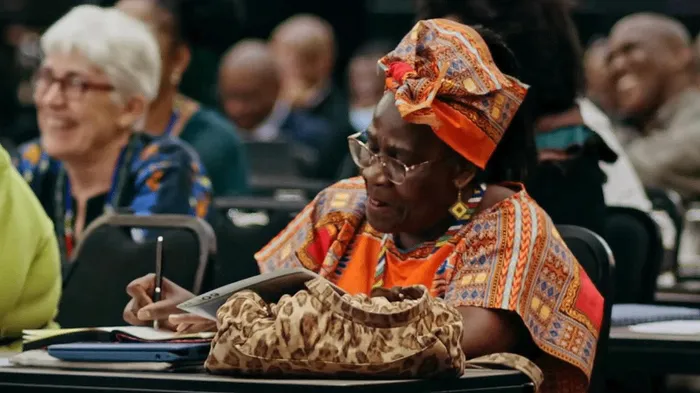
BUSA is leaving South Africa’s statutory forum for social dialogue, Nedlac.
Image: Nedlac
Business Unity South Africa (BUSA) has withdrawn from the Unemployment Insurance Fund’s (UIF) governance structures at Nedlac and removed its representatives from the UIF Board, saying it has lost confidence in the fund after six years of unsuccessful reform efforts.
The country’s largest organised business body on Wednesday called on Employment and Labour Minister Nomakhosazana Meth to place the UIF under administration and appoint an independent administrator to stabilise operations, clear claims backlogs and address what it described as persistent governance failures.
The Department of Employment and Labour has previously acknowledged shortcomings in the fund’s administration but maintains it is implementing governance reforms, modernising claims systems and strengthening oversight. It has also defended the UIF’s Labour Activation Programme, saying it is authorised by legislation and supports employment creation.
BUSA also called for a forensic investigation into the legality and appropriateness of all UIF expenditure.
“This decision follows six years of sustained engagement, repeated warnings of maladministration, and ongoing efforts to support reform for the benefit of workers, employers, and the stability of South Africa’s labour market,” BUSA said.
“Regrettably, these efforts have not yielded the required results.”
The decision marks a significant escalation in business’s long-running concerns over the UIF, which is funded through compulsory contributions by employers and employees and provides income support to qualifying contributors during periods of unemployment, maternity, illness, adoption, parental leave and reduced working time.
BUSA said organised business and organised labour had participated in multiple reform processes since 2020, submitting proposals aimed at improving governance, operational effectiveness and service delivery.
It said the establishment of a Nedlac task team in 2024 to develop a reform pathway had failed to deliver meaningful progress.
“The UIF remains deeply dysfunctional, characterised by persistent operational failures, governance weaknesses, delays, unresponsiveness, and a drift away from its core mandate,” BUSA said.
It argued that contributors were increasingly being failed by the very system they fund.
“It is unacceptable that contributors are left without support while funds are redirected, delayed, or absorbed into programmes that do not directly address their statutory entitlements.”
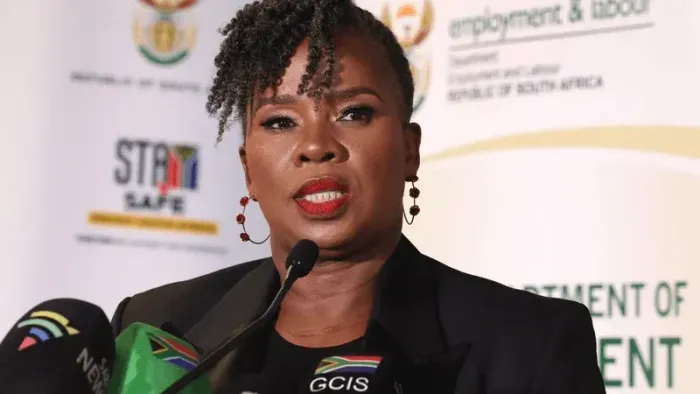
Employment and Labour Minister Nomakhosazana Meth.
Image: Supplied
BUSA was particularly critical of the expansion of the UIF’s Labour Activation Programmes (LAPs), arguing that they increasingly overlap with the mandates of the Department of Higher Education and Training and the Sector Education and Training Authorities.
It also questioned the use of UIF resources for government-to-government programmes that primarily benefit people who do not contribute to the fund, while contributors continue to experience payment delays and administrative obstacles.
The organisation said the administration of the Temporary Employer/Employee Relief Scheme (TERS) during the Covid-19 pandemic exposed significant weaknesses in the UIF’s systems.
While acknowledging that TERS provided critical support to businesses and workers during the pandemic, BUSA said employers continue to report applications remaining outstanding for more than 12 months.
It also criticised the UIF’s requirement that distressed employers rectify up to 20 years of compliance data before claims could be processed, describing the approach as impractical and unresponsive.
BUSA said confidence in the fund’s governance had deteriorated further because board meetings were frequently scheduled or rescheduled at short notice, making it difficult for members to prepare and contributing to repeated failures to achieve a quorum.
“There is a growing impression that proper governance systems have been deliberately undermined,” it said.
The organisation said placing the UIF under administration was now necessary to restore confidence and accountability.
An independent administrator, it argued, should be given a clear mandate to stabilise operations, eliminate claims backlogs and address governance failures, while a forensic investigation should assess whether all expenditure from the fund had been lawful and appropriate.
The Department of Employment and Labour has previously defended the UIF’s Labour Activation Programme, saying the UIF Act empowers the fund to support employment creation, skills development and business turnaround initiatives.
The Department has also acknowledged weaknesses in implementation and said it is strengthening governance, modernising claims systems and improving oversight as part of broader reforms to the UIF.
Government has previously indicated that restructuring the UIF into a standalone public entity forms part of its long-term strategy to improve service delivery and accountability.
However, BUSA said those reforms had not translated into meaningful improvements for contributors.
“Workers and employers cannot be expected to continue funding a system that fails them when they need it most,” it said.
IOL BUSINESS