

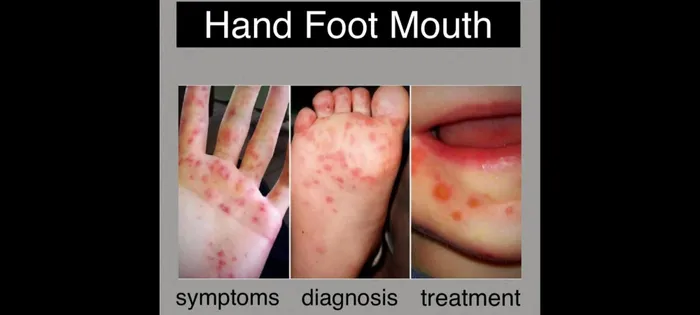
The synptoms of Hand, Foot, and Mouth Disease (HFMD) includes blisters on the mouth, hands , and feet, as well as the legs and arms with high fevers
Image: STOCK IMAGES
The Western Cape Department of Health and Wellness has addressed growing concerns among parents, caregivers, and schools regarding Hand, Foot and Mouth Disease (HFMD).
Health Department spokesperson Dwayne Evans emphasised that HFMD, a viral illness affecting mainly young children, should not be confused with the ongoing agricultural outbreak of Foot and Mouth Disease.
Hand, foot and mouth disease (HFMD) is a common, mild human viral illness (usually Coxsackievirus) causing blisters in the mouth and on hands/feet, mainly in children. In contrast, Foot and Mouth Disease (FMD, or hoof-and-mouth) is a severe, unrelated viral disease of livestock (cows, pigs, sheep). They are completely different diseases and cannot be transmitted between humans and animals.
HFMD is typically mild and self-limiting, with symptoms including fever, sore throat, tiredness, and small blisters on the hands, feet, or inside the mouth. Most children recover fully within 7 to 10 days with supportive care at home.
The department noted that HFMD is not a notifiable medical condition, and there is no centralised register of cases in the province.
“Because the condition is generally mild and managed at community level, we are unable to provide provincial statistics,” Evans explained.
The virus spreads through close contact, respiratory droplets, and contaminated surfaces. Good hygiene remains the most effective way to reduce transmission. Parents and schools are encouraged to ensure regular handwashing with soap and water, cleaning shared surfaces and toys, and encouraging children to cover coughs and sneezes.
Advice for parents and caregivers: Keep children at home if they are unwell, particularly if they have a fever or open blisters.
Encourage fluids to prevent dehydration; cold drinks and soft foods may be easier if mouth sores are present. Use medication for fever or pain only as advised by a healthcare provider.
Avoid giving spicy, salty, or acidic foods that may irritate mouth sores. Ensure frequent handwashing for both children and caregivers, especially after nappy changes and before meals.
Clean and disinfect toys, surfaces, and frequently touched objects daily. Children diagnosed with HFMD should stay home until they are fever-free for at least 24 hours without medication and until blisters have dried.
Parents should seek medical care if a child shows signs of dehydration, has a persistent high fever, becomes unusually drowsy, has difficulty breathing, or displays any other concerning symptoms.
“While any illness affecting children can be worrying, HFMD is common and usually mild,” Evans said. “With supportive care and good hygiene, most children recover fully without complications.”
In contrast, the country is facing a serious agricultural crisis. President Cyril Ramaphosa has classified the livestock outbreak of FMD as a national disaster after it spread across multiple provinces, including KwaZulu-Natal, Gauteng, the Free State, North West, Limpopo and the Eastern Cape.
The declaration enables national government to fast-track funding, strengthen coordination between provinces and enforce tighter livestock movement restrictions. A large-scale vaccination drive is under way, with millions of cattle earmarked for inoculation as authorities attempt to curb the spread.
FMD affects cloven-hoofed animals such as cattle, sheep, goats and pigs and spreads rapidly within herds. Authorities have emphasised that the disease does not infect humans and does not pose a direct food safety threat.
However, the economic stakes are high. Trade limitations and livestock losses have placed significant strain on the country’s multi-billion-rand cattle industry. Government has sourced both domestic and international vaccine supplies in an effort to stabilise the sector and prevent further financial fallout.