

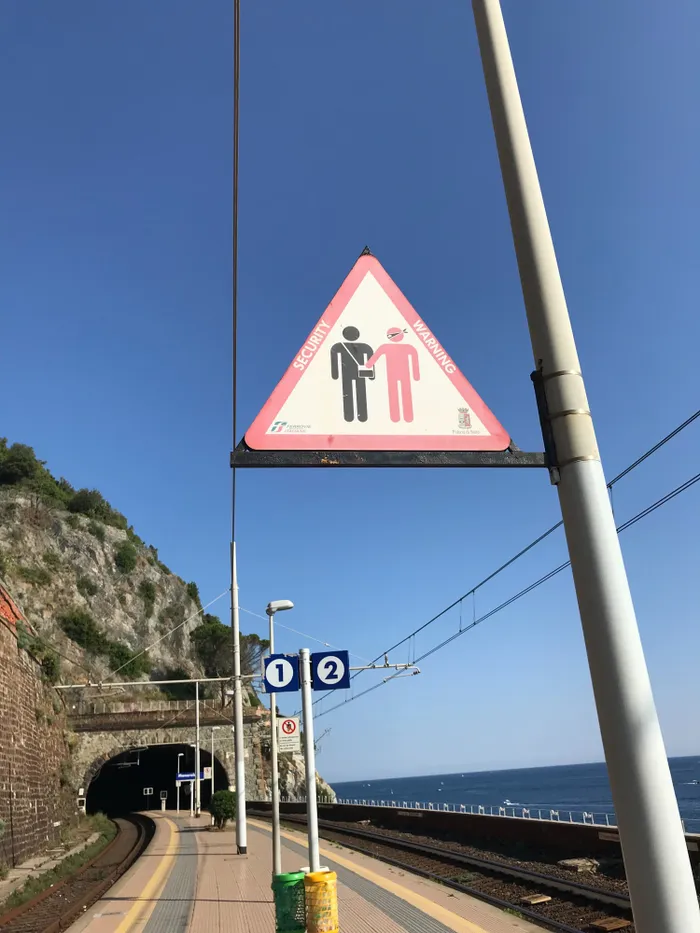
Some places have high pickpocketing rates so its always good for travellers to be cautious.
Image: Unsplash
For most people, travelling to Europe is an ultimate bucket-list dream. Its immense appeal stems from its rich history and culture, unmatched transit networks, and the ease of visa-free movement within the Schengen Zone.
Unfortunately, this has also left certain nations increasingly vulnerable to a growing epidemic: pickpocketing.
Countless TikTok videos capture watchful residents alerting unsuspecting travellers to the presence of a nearby thief.
The strategy utilised by these opportunistic individuals remains largely identical.
Therefore, if you are preparing to journey to France, Italy, Spain, the Netherlands, or the UK, here is what you should be aware of:
Rome, Italy: This destination now records the highest number of pickpocketing complaints. Famous landmarks such as the Trevi Fountain, the Colosseum, and the Pantheon serve as major hotspots, while the Duomo di Milano in Milan also demands high vigilance.
Indeed, whether you are visiting Florence, Venice, Milan or Rome, conducting safety research beforehand is highly recommended. Ultimately, nothing ruins a vacation faster than losing your most valued possessions.
Paris, France: The romantic backdrops of the City of Love are undeniably alluring, but do not let these scenic views distract you from staying alert. Due to how busy and packed the Paris metro gets, it becomes a prime spot for pickpockets who take advantage of the inevitable physical contact to steal from you.
Additionally, staying alert is essential when exploring well-known landmarks like the Eiffel Tower and the Louvre, where distractions are bound to occur. Also, if you are sightseeing at Sacré-Cœur and Montmartre or shopping at Champs-Élysées.
Barcelona, Spain: Although law enforcement is fully aware of the organised petty crime rings active along the Gothic Quarter and the crowded Las Ramblas promenade. They have conceded that controlling these groups remains a major challenge.
So always be on guard if you are in these areas. The same applies when you are visiting Mercat de la Boqueria, Sagrada Familia Perimeter, Plaça de Catalunya, Park Güell and Barceloneta Beach.
Amsterdam, Netherlands: This is another highly popular spot for tourists, and it is generally safe from violent crime. However, despite the abundance of attractions to discover, it is crucial to stay highly alert to your surroundings, particularly around Dam Square, Amsterdam Centraal Station and the Red Light District.
Thieves are always on the lookout for travellers who let down their guard while exploring.
London, UK: The city offers numerous attractions, creating abundant opportunities for petty criminals. Phone and bag snatching have been frequently reported in areas like the boroughs of Westminster, Camden and Southwark.
Also, be on high alert if you are strolling down Kensington and Chelsea, which generally attracts large crowds.
Identifying the perpetrators is challenging, as many wear masks and easily blend into the surrounding crowds.

The Trevi Fountain in Rome, Italy.
Image: File
Firstly, you need to understand that pickpocketers rarely act alone. They are either with another person or work with a small group. As such, pay attention to the following: